US officials recently announced they would impose "the toughest economic sanctions in history" on Iran, aimed at forcing concessions after nearly six months of conflict. On 24/8, the US Department of the Treasury announced additional expanded secondary sanctions targeting Iran's digital assets, technology, gold, aviation, and maritime transport.
The US also imposed new sanctions on 60 individuals, companies, and vessels suspected of helping Iran generate oil revenue, procure weapons, and conduct cyber operations. These measures target various entities worldwide, including those in the United Arab Emirates (UAE), China, Singapore, and Europe.
US Treasury Secretary Scott Bessent declared this a "campaign to suffocate the Iranian economy." These developments raise the risk of escalating tensions in the Middle East. According to analysts, Iran could respond to this economic pressure in various ways.
Blocking oil from leaving the Middle East
On 23/8, Iran's Supreme National Security Council Secretary Mohsen Rezaee threatened to block regional oil exports. This has been a key strategy for Tehran since the conflict erupted in late February.
"If the economic war continues, not a single drop of oil will be exported through the Strait of Hormuz or from anywhere in the Persian Gulf," Rezaee said.
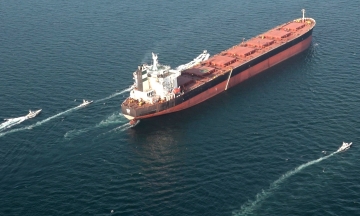
Iran's attacks on vessels and threats have largely halted maritime activity through the Strait of Hormuz. This waterway, which previously transported about 20% of global crude oil and liquefied natural gas (LNG) before the conflict, has been nearly blockaded for the past six months.
Although some oil tankers have passed through the strait in recent weeks, shipping volumes remain very low. Last weekend, Iran blacklisted 45 oil tankers, accusing them of non-compliance with its regulations for maritime operations through Hormuz.
Missile, drone, or speedboat attacks targeting oil tankers attempting to leave the Gulf have repeatedly sent oil prices soaring over the past six months.
Meanwhile, the Houthi forces, Tehran's allies, also control maritime activity in the Red Sea through attacks and threats to block all Saudi Arabian vessels. These vessels transport crude oil to Asia.
Initially, the attacks only forced some ships to halt operations. By mid-August, more than half of the vessels were still able to pass. However, Reuters cited industry sources indicating the situation is becoming more difficult, with Chinese shipping companies diverting vessels to avoid the Bab el-Mandeb Strait in the southern Red Sea.
Recent attacks on a vessel off Yanbu, home to Saudi Arabia's main oil port on the Red Sea, or by drones near the Suez Canal earlier this month, could further alarm the oil market and drive crude prices higher.
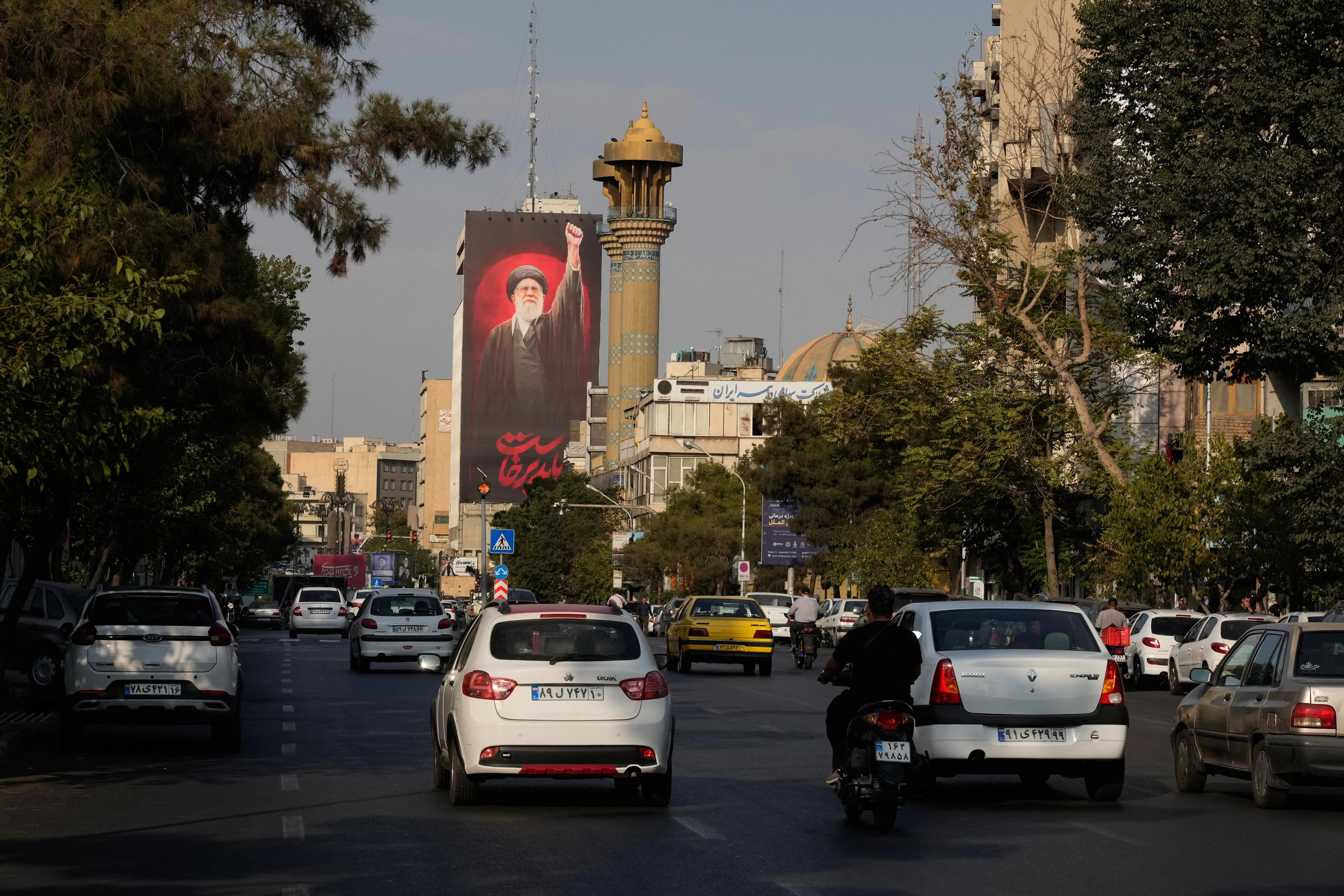 |
A view of central Tehran, Iran on 15/8/2026. Photo: AP |
A view of central Tehran, Iran on 15/8/2026. Photo: AP
Attacking Gulf nations
Iran this week also threatened retaliation against neighboring countries participating in US economic strangulation efforts. Over the past six months, Tehran has repeatedly attacked Gulf nations and Jordan, primarily targeting US bases in those countries. However, they have also attacked energy infrastructure and other targets.
If Iran intensifies targeting oil or gas extraction facilities, energy prices could be driven even higher, which would be politically damaging for President Donald Trump's administration. The impact of such actions would also be harder to reverse than attacks on vessels.
Targeting power and desalination plants in the Middle East would also pose significant risks to Gulf countries, which are increasingly becoming important financial hubs for the global economy.
Directly attacking the West
Although Western countries are outside the range of Iran's main weapons, the Islamic Revolutionary Guard Corps has shown its readiness to pursue other forms of attack.
On 24/8, the UK reported that Iran-linked hackers caused a small power plant in the country to cease operations for four days last month. US officials also believe Tehran is likely behind cyberattacks targeting water treatment plants in Minnesota. Iran has not commented on these allegations.
Ha Thu (according to Reuters, CNBC)