The plastic industry is an important manufacturing sector in Vietnam, deeply integrated into value chains from consumer goods and construction to exports. In recent years, the industry has shown notable growth. In 2024, growth reached approximately 24%, with revenue projected to hit about USD 35 billion in 2025, an increase of about 10%. By 2030, the sector is forecast to maintain an average annual growth rate of about 8%.
However, according to economist Truong Dac Nguyen, behind this growth picture, the plastic industry faces challenges such as raw material price volatility, low profit margins, and pressure for green transition from international markets.
Additionally, most plastic businesses in Vietnam are small and medium-sized enterprises, primarily relying on the personal assets of their owners. The nature of production also leads to a consistently high demand for working capital, particularly during peak order periods or when businesses need to stockpile raw materials to ensure stable production.
"Plastic businesses often need to accumulate a significant amount of raw materials to ensure continuous operations. During peak order seasons, capital demand increases considerably", Nguyen stated.
 |
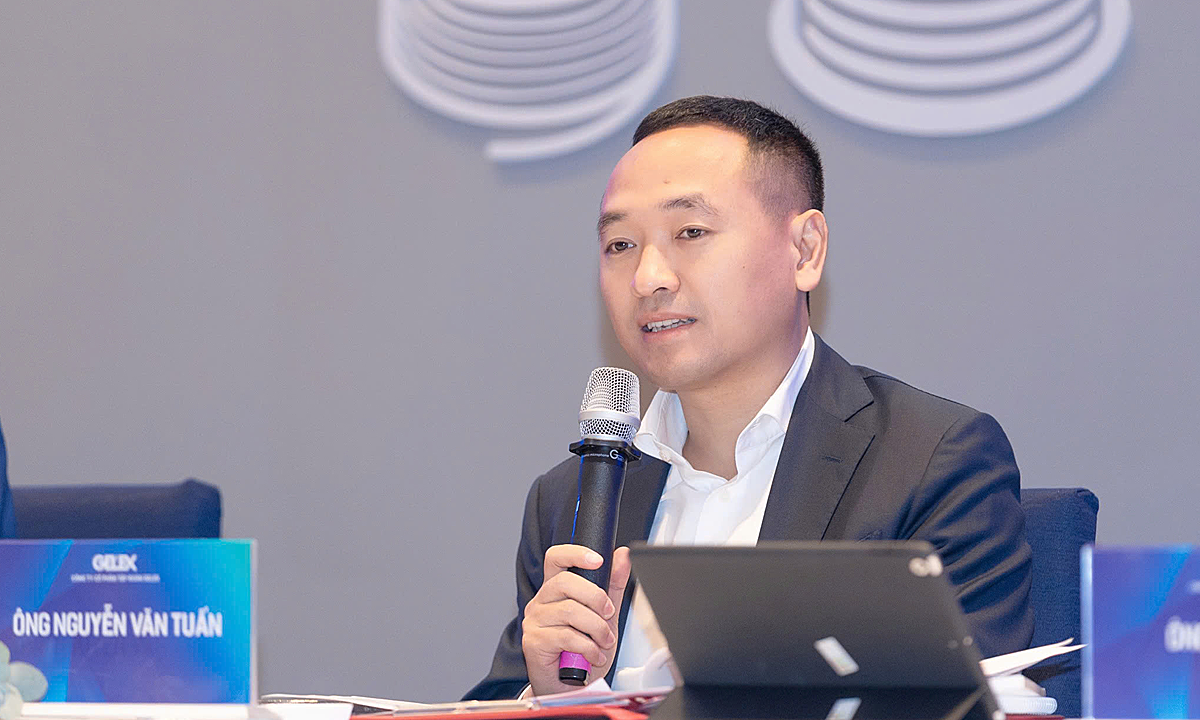
Economist Truong Dac Nguyen (center) discussing the situation of plastic businesses at the "Cham Thinh Vuong" talk show. Photo: VPBank |
Economist Truong Dac Nguyen (center) discussing the situation of plastic businesses at the "Cham Thinh Vuong" talk show. Photo: VPBank
In this context, many banks have proactively adjusted their credit approach, shifting from reliance on collateral to a comprehensive assessment of a business's operational plan and cash flow.
According to Hoang Trung Hieu, Director of the Business Strategy and Product Development Center for VPBank's SME segment, the bank has developed specialized credit packages for various industries, including plastics. Hieu emphasized that while collateral remains important, it is not the sole factor determining credit approval; the bank also evaluates the business plan, cash flow, and operational capacity.
"We can accept plastic pellets, export orders, or output contracts as a basis for credit. The important thing is for the bank to understand the industry and the business's operations to provide suitable solutions", Hieu said.
During peak order periods, VPBank also implements trade finance solutions to support businesses in importing raw materials or securing payments for partners.
"Businesses can pledge their orders for loans. VPBank is ready to open import LCs (letters of credit), issue payment guarantees, or provide direct credit based on output contracts, ensuring businesses have sufficient resources to fulfill orders", Hieu stated.
 |
Hoang Trung Hieu sharing specialized solutions for plastic businesses. Photo: VPBank |
Hoang Trung Hieu sharing specialized solutions for plastic businesses. Photo: VPBank
Beyond working capital challenges, the plastic industry also faces demands for technology conversion and emission reduction to meet increasingly strict environmental standards, especially from major export markets such as Europe and North America.
"Currently, the recycling rate in Vietnam's plastic industry remains quite low. However, in the future, as environmental standards become stricter, businesses will be compelled to focus more on green technology if they wish to access high-value markets", economist Truong Dac Nguyen observed.
To support this transition, VPBank is implementing large-scale green credit programs, including specific capital packages for businesses investing in energy-saving technology, emission reduction, or the development of recycled plastic products.
"In 2026, VPBank expects to allocate about 20 trillion Vietnamese dong for green credit packages. Thanks to partnerships with international financial organizations, we can offer medium- and long-term loans with preferential interest rates, even below 5% for green technology investment projects", Hoang Trung Hieu stated.
In addition to providing capital, the bank also offers consulting services, helping businesses optimize investment efficiency, reduce operating costs, and meet the requirements of high-value export orders.
As the plastic industry continues to grow but faces many fluctuations, flexible and specialized financial solutions are considered crucial supporting factors, helping businesses enhance adaptability and expand markets. With specialized credit packages and substantial green capital, VPBank SME expects to continue as a financial partner, accompanying plastic businesses on their journey to upgrade production capacity and expand markets in the coming period.
(Source: VPBank)