At the "Global Coffee Heritage Festival 2025," held in late 12/2025, King Coffee announced a long-term strategic roadmap. This strategy focuses on enhancing the value of Robusta coffee beans and expanding market share in discerning markets.
Le Hoang Diep Thao, CEO of King Coffee, stated that record export figures during 2024-2025 indicate Vietnamese coffee is moving beyond being merely a "factory" for cheap raw materials. Instead of focusing solely on output, businesses are striving to improve quality and create unique value to position Vietnamese coffee as a "cultural ambassador." Through major distribution channels like Costco and Walmart in the US, and leading e-commerce platforms in China, King Coffee is demonstrating the appeal of Vietnamese coffee. The company reaches international consumers with its own brand, rather than through intermediate processing stages.
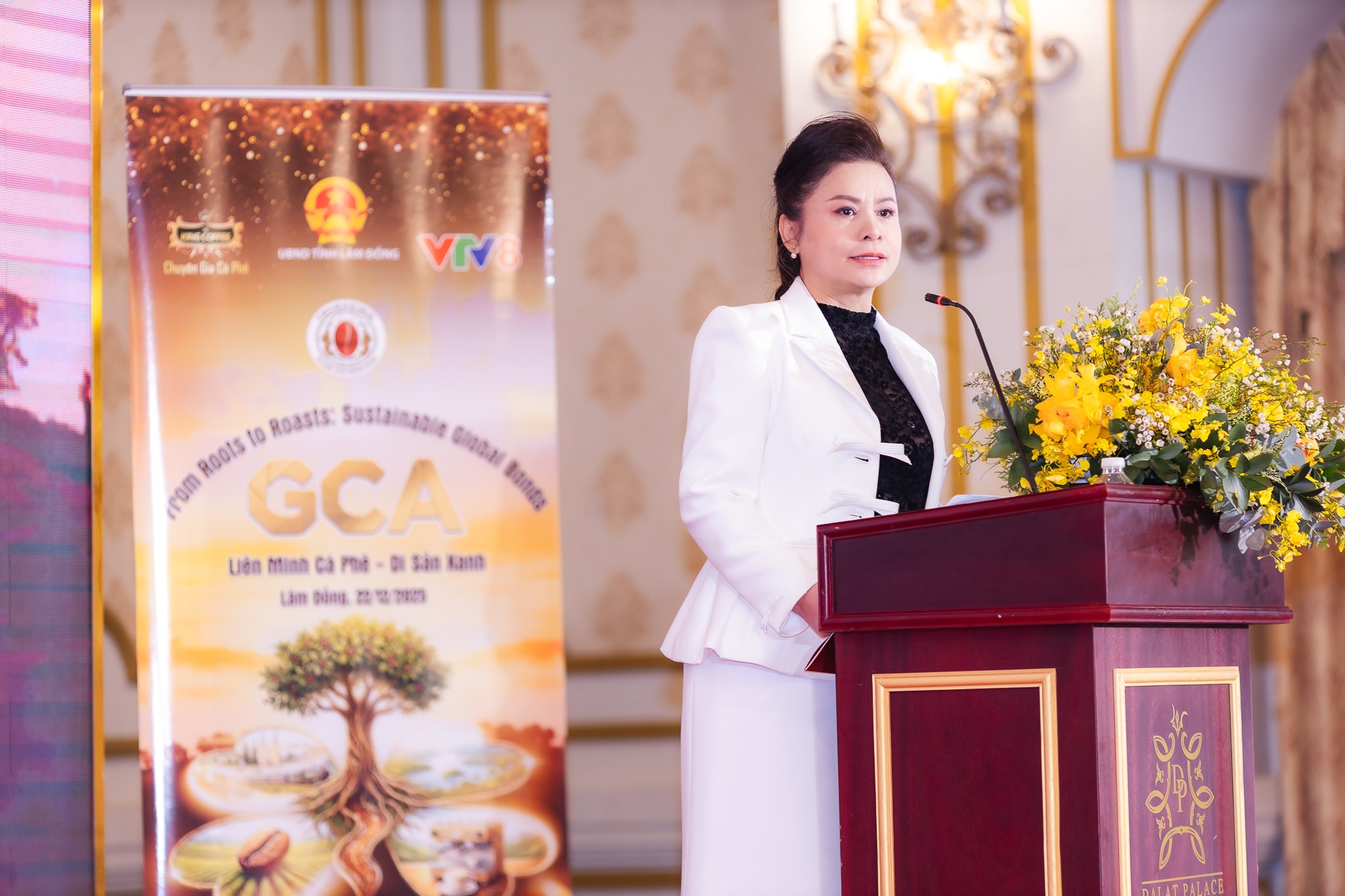 |
CEO Le Hoang Diep Thao shares solutions for building a Global Coffee Alliance at the international coffee conference, held in 12/2025, in Lam Dong. *Photo: King Coffee*
However, according to Ms. Thao, this picture still has gaps. While Vietnam possesses a large Robusta output, pricing power and surplus value largely remain with foreign roasting and grinding corporations. To gain a proactive position for the Vietnamese coffee industry, King Coffee is promoting a linkage model through its Global Coffee Alliance initiative. The goal is to unite the strength of producing countries and establish new standards for quality and pricing based on fairness and environmental, social, and governance (ESG) principles.
In addition to cash flow management, business leaders within the alliance need to strengthen the connection between macroeconomic policies and production realities. They must also protect workers' rights and domestic goods through trade negotiations in international markets such as Dubai, London, or New York. As one of the world's leading Robusta-growing and exporting nations, Vietnam needs to reposition its product as a future-oriented choice – aligning with modern consumption trends and new standards for quality and sustainability.
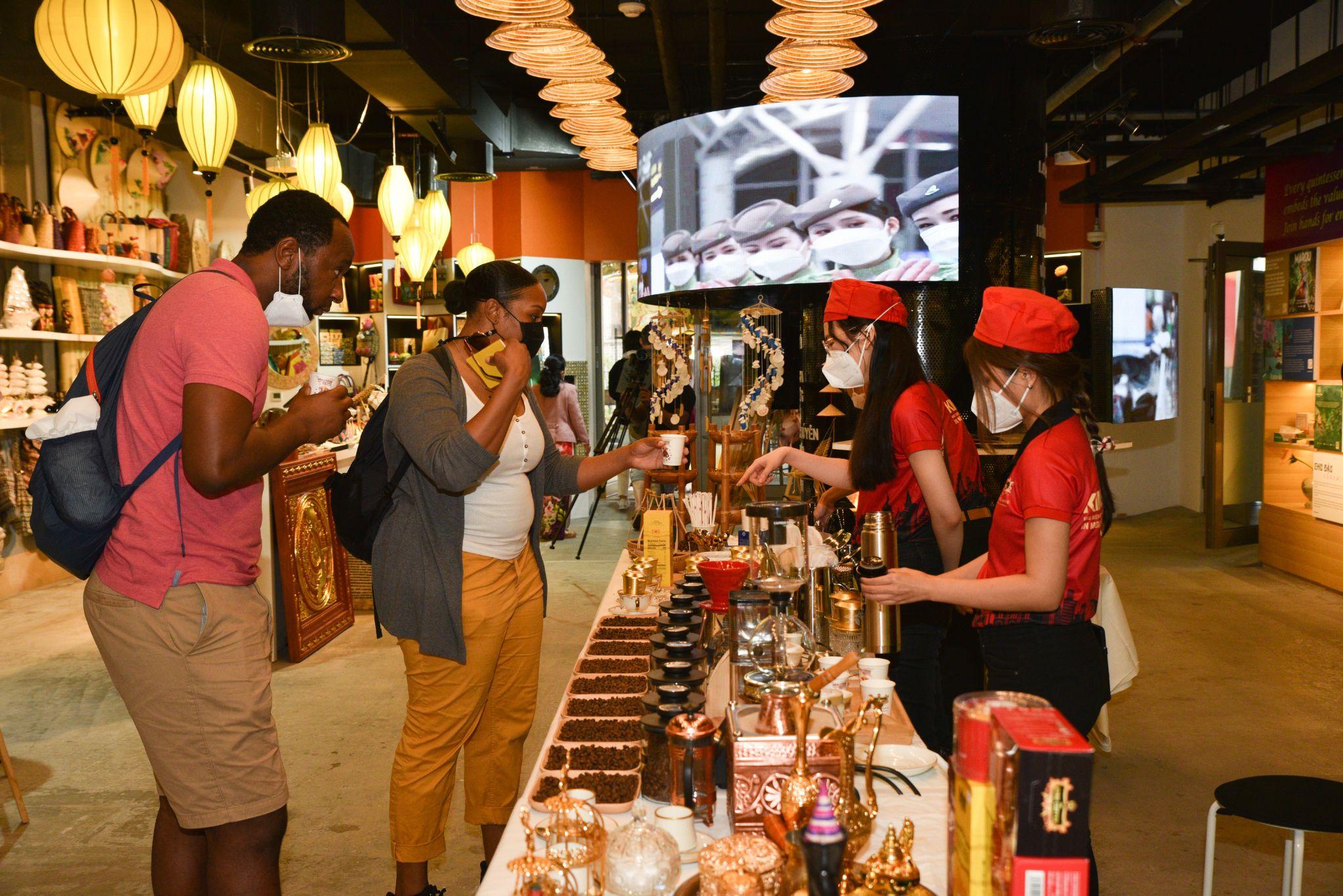 |
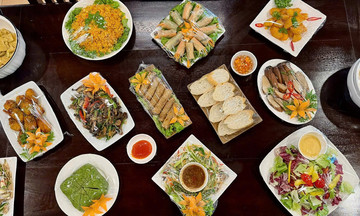
International visitors enjoy King Coffee products. *Photo: King Coffee*
Sharing King Coffee's perspective, during discussions at the international coffee seminar held in Da Lat, many experts, managers, and member businesses of the Vietnam Coffee Association also expressed hope that establishing "new rules of the game" would help Vietnamese farmers and producers retain a more equitable share of value in the global supply chain.
"Vietnamese coffee needs to aim for a 20-year vision. When the world mentions coffee, they should immediately think of Vietnam with the same respect as they do French wine or Swiss watches. When a seemingly small cup of coffee transcends geographical barriers and spatial limits to reach international friends, that is when a shade of Vietnamese culture spreads," Ms. Le Hoang Diep Thao shared.
Building on the success of 2025 through the "Global Coffee Heritage Festival," King Coffee is spreading the message, joining hands with Vietnamese brands to shift from a wholesale mindset to brand building. This requires systematic investment in product quality within the domestic market, combined with technological leverage and collaboration among domestic businesses to create economies of scale.
King Coffee's strategy for the 2026-2040 period aims to help Vietnam become the world's "coffee capital." Accordingly, Vietnam will not only be the largest producer but will be defined by the convergence of three main pillars: deep processing technology with modern factories; a commodity exchange – the global coffee pricing hub; and experiential tourism – transforming the Central Highlands provinces into heritage destinations.
(Source: King Coffee)