CEOs from major US low-cost airlines, including Spirit Airlines, Frontier Airlines, Allegiant Air, Sun Country, and Avelo, are calling on Congress for temporary tax relief to mitigate the impact of soaring jet fuel prices. On 21/4, their leaders met with Transportation Secretary Sean Duffy to press their case. Last week, the Association of Value Airlines, which represents these carriers, sent a letter to US congressional leaders, proposing the suspension of the 7.5% federal excise tax on airline tickets and a 5.3 USD per segment tax. This measure, they argue, could offset approximately 30% of the additional costs stemming from expensive jet fuel, which has surged due to the Middle East conflict.
"Without support, the pressure from rising fuel prices will lead to higher travel costs for passengers. Airlines may be forced to increase ticket prices and ancillary services to cover costs," said Jonathon Freye, the association's leader.
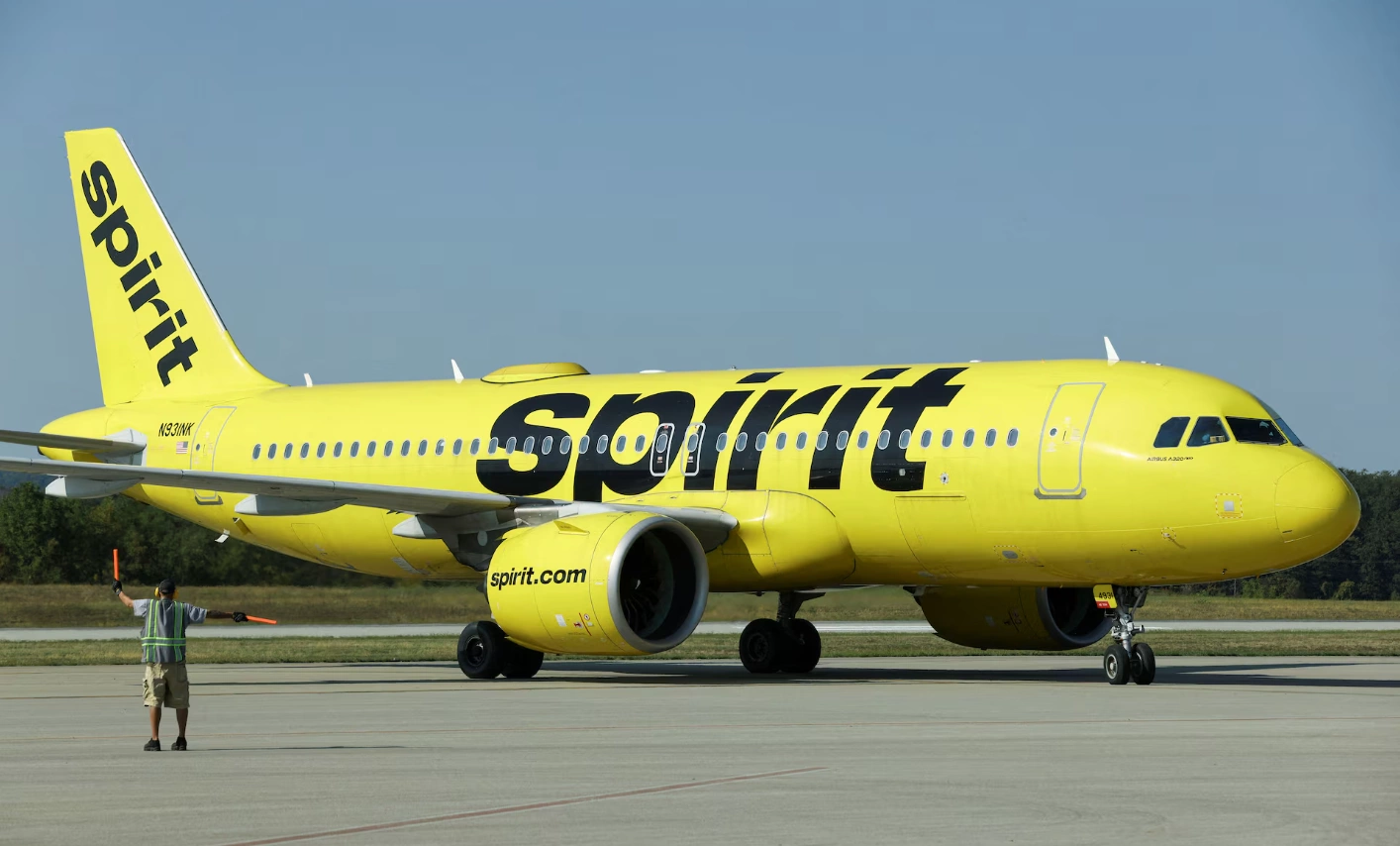 |
Spirit Airlines aircraft at an airport in Pennsylvania in 9/2025. Photo: Reuters
The near-blockade of the Hormuz Strait for nearly two months has caused global energy prices to surge. World crude oil prices have risen by nearly 40% due to the conflict, driving up the cost of gasoline, natural gas, electricity, and jet fuel.
North American airlines have already responded by increasing baggage fees, reducing flights, and scaling back capacity expansion plans. Last week, Reuters reported that Spirit Airlines' bankruptcy exit plan is facing renewed pressure after sharply rising jet fuel prices affected key restructuring assumptions.
The challenges extend beyond North America, with European airlines also struggling. EasyJet reported that its fuel costs in March increased by approximately 25 million British pounds (34 million USD). Bookings for year-end flights also saw a 2% decrease compared to 2025.
The International Energy Agency (IEA) warned last week that Europe has only enough jet fuel for six weeks. This shortage could lead to severe economic consequences for many countries reliant on summer tourism.
By Ha Thu (Reuters)