In late January, Reuters reported that Germany announced a 3 billion euro (3,5 billion USD, over 87 trillion dong) subsidy program for individuals purchasing electric vehicles, effective from early 2026. The primary beneficiaries are middle- and low-income households, who have hesitated due to the initial investment cost of electric vehicles. Subsidy amounts range from 1,500 to 6,000 euro (1,700 - 7,000 USD, equivalent to approximately 44-182 million dong), depending on the vehicle type and household income.
An estimated 800,000 vehicles are expected to receive this subsidy from now until 2029. The government allows retroactive applications for vehicles registered from 1/1.
Previously, Germany's electric vehicle subsidy program, Umweltbonus, ran from 2016 until late 2023. This program aimed to promote the purchase of electric vehicles and plug-in hybrid electric vehicles (PHEV) by offering government and manufacturer subsidies, with amounts varying by vehicle type and price. However, the program stopped accepting new applications in December 2023 due to budget issues, leaving only existing tax incentives for electric vehicles.
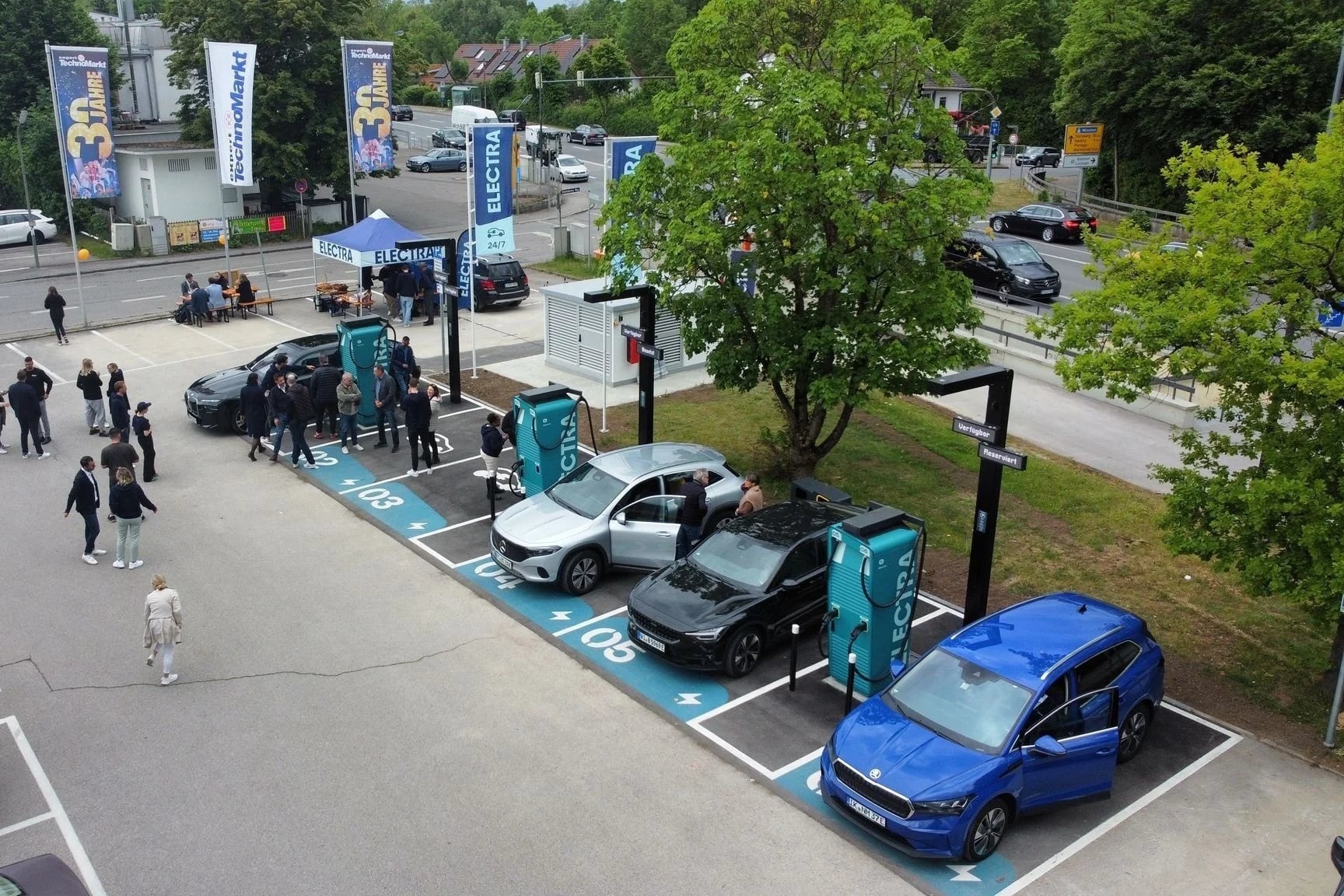 |
Electric vehicles in Germany. Photo: Reuters
In Asia, South Korea is expanding its incentive program for citizens to switch from gasoline cars to electric vehicles. According to Koreatimes on 18/1, the Seoul government will provide an additional 300,000 won (203 USD, approximately 5 million dong) per person when converting an internal combustion engine vehicle to an electric vehicle, in addition to 1 million won (over 685 USD, approximately 17 million dong) from the central budget.
A total of approximately 22,526 electric vehicles will receive support in 2026, an 18% increase from the previous year. Of these, 22,409 vehicles are for private use and 117 for public organizations. The private vehicle category includes: passenger cars, cargo trucks, taxis, vans, and school buses.
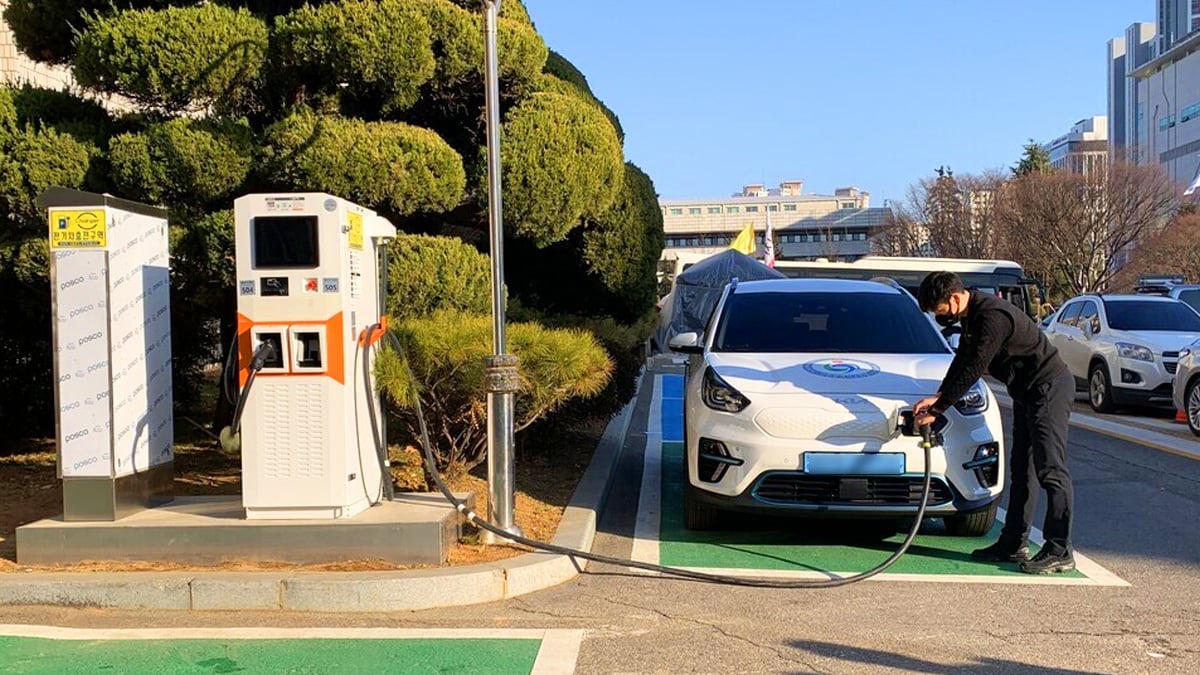 |
A person charging a car in South Korea. Photo: Koreatimes
The maximum subsidy for electric passenger vehicles is 7,54 million won (135 million dong). Individuals who switch from an internal combustion engine vehicle to an electric passenger car or truck may receive an additional conversion incentive of up to 1,3 million won (over 23 million dong), combined from government and city budgets.
The Seoul government also provides additional support for low-income households, young first-time car buyers, and large families. Electric taxis specifically receive an extra 2,5 million won (44 million dong) in dedicated subsidies, along with other incentives for electric vehicles with longer battery warranties.
The city is also expanding support policies for electric trucks, including medium and large vehicles, with a maximum subsidy of 78 million won (1,3 billion dong). Incentives for electric buses and school buses remain among the highest, potentially reaching nearly 150 million won (2,6 billion dong) depending on vehicle size.
In Southeast Asia, Thailand is one of the first countries to implement financial support policies encouraging citizens to transition to green vehicles.
Following the EV 3.0 phase, which began in 2022, Bangkok upgraded its policy to EV 3.5 for the 2024-2027 period. Under this, electric car buyers receive discounts ranging from 2,200 to 4,700 USD (55-117 million dong), depending on battery capacity and vehicle price. Electric motorcycles receive 315 USD (over 7,8 million dong) in support if they meet domestic production standards. In addition to direct subsidies, Thailand also reduces excise taxes, exempts import duties on components, invests in charging infrastructure, and encourages banks to offer low-interest loan packages for both buyers and manufacturers.
Notably, the Thai government requires car manufacturers to have a domestic electric vehicle assembly ratio corresponding to imported vehicles to continue receiving incentives. Initially, this ratio was 1:1, but due to insufficient domestic demand, the compliance deadline has been extended until 2027.
In Vietnam, the government has extended a 100% registration fee exemption for battery electric vehicles until 28/2/2027, along with a reduction in special consumption tax to 3% to lower product prices. Some localities, such as Hanoi, are proposing that individuals who switch from gasoline motorcycles to electric motorcycles valued at 10 million dong or more will receive financial support of up to 5 million dong.
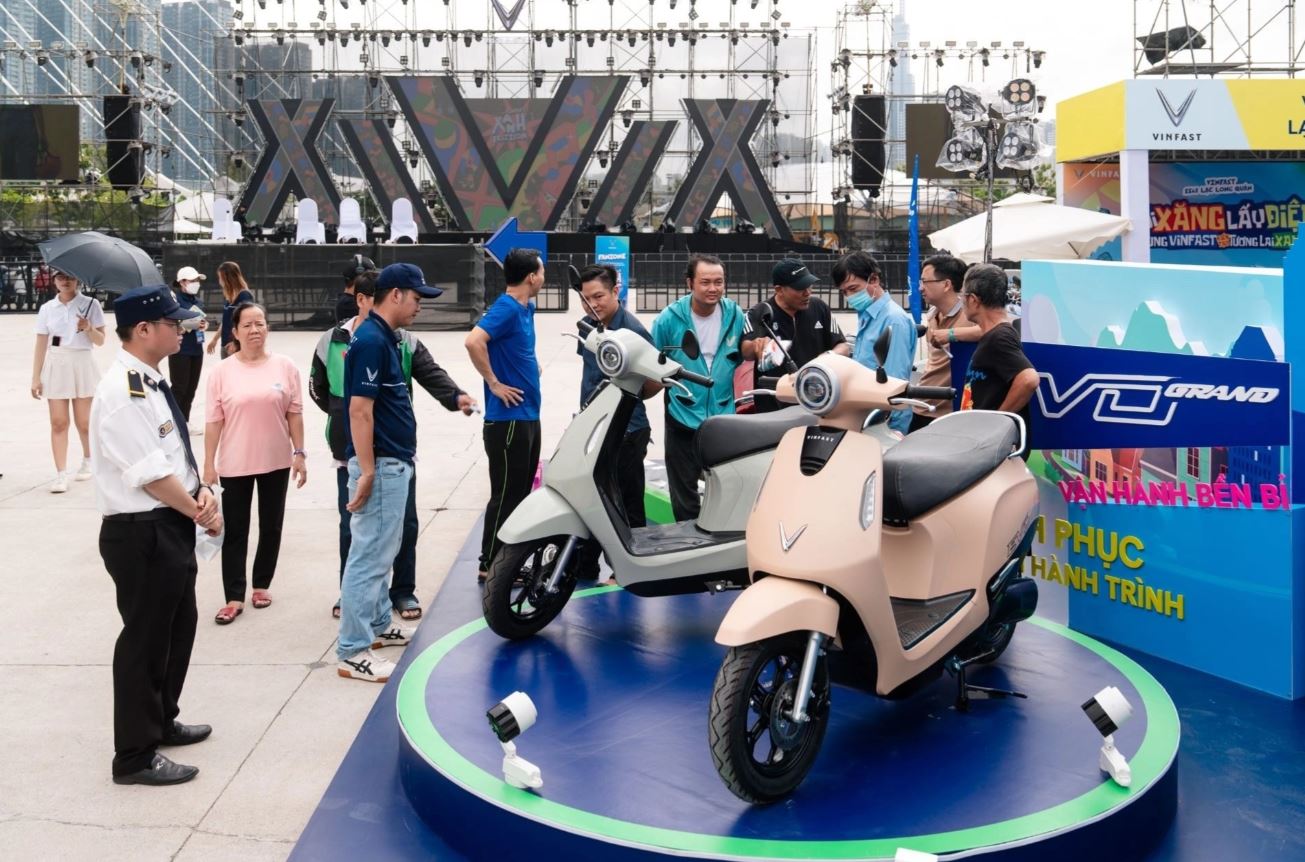 |
Customers learning about VinFast electric motorcycles at a "Switch from gasoline to electric" event continuously organized by the company nationwide. Photo: VinFast
Alongside state policies, domestic businesses are also implementing various programs to promote electric vehicles. For example, VinFast offers direct price reductions on listed prices, "0 dong" car purchases, preferential loan interest rates, and free charging for an extended period, in addition to expanding its charging station infrastructure nationwide.
Beyond the aforementioned countries, markets such as China, India, and Spain also announced hundreds of millions of euro in packages to support citizens in purchasing electric vehicles and developing charging station infrastructure years ago.
Thai Anh