Under the agreement, EU goods exports to India are projected to double by 2032. This increase is due to the elimination or reduction of tariffs on 96.6% of the value of EU exports to this market. Specifically, India's tariffs on EU-origin automobiles will gradually decrease from 110% to a minimum of 10%, while tariffs on automotive components will be completely eliminated after 5 to 10 years.
Tariffs of up to 44% on machinery, 22% on chemicals, and 11% on pharmaceuticals will also be largely removed. The agreement further eliminates or reduces many tariff lines for EU agricultural and food products. For instance, India's wine tariffs will decrease from 150% to 75% immediately upon the agreement's entry into force, gradually reaching a minimum of 20%. Olive oil tariffs will drop from 45% to 0% over 5 years. Processed agricultural products like bread and confectionery will see tariffs of up to 50% eliminated.
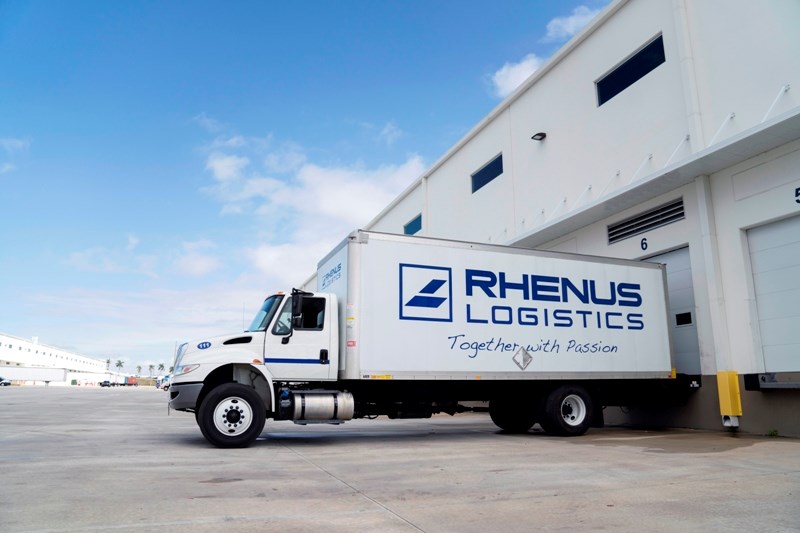 |
Rhenus's fleet operates cross-border, contributing to seamless and efficient European - global supply chain connectivity. *Photo: Rhenus Logistics*
Conversely, the EU will reduce or eliminate tariffs on 99.5% of the value of Indian exports. These include textiles, footwear, tea, coffee, and other labor-intensive goods such as leather, sports equipment, toys, gemstones, and jewelry.
Tobias Bartz, chief executive officer of Rhenus Group, welcomed the agreement. He stated it will boost trade and increase predictability, giving businesses confidence to invest.
"The estimated savings of around 4 billion EUR annually, coupled with the prospect of significantly increased trade volume, underscore the economic importance of this agreement", Bartz stated. "It is clear, once again, that it is not protectionism, but global connectivity and targeted partnerships that drive growth and ensure long-term prosperity. For globally operating businesses, the new agreement means a more stable framework and more predictable supply chains".
Bartz also highlighted India's growing importance in global supply chains. "The focus now is on leveraging the policy framework, investing decisively, and fostering growth in India and globally. For Rhenus, India has long been a significant growth market and a strategic priority".
Thomas Cullen, head of consulting at Transport Intelligence, suggested that while some aspects of the agreement still require finalization, the agreed-upon items will help increase the flow of goods between India and the EU.
"Currently, Bangladesh remains a more significant source of apparel than India, partly because it faces lower tariffs when exporting to the EU", he noted. "If India secures 0% tariffs on apparel entering the EU, this could be a major boost for its exports".
According to Cullen, European automobile manufacturers also hope to both export and establish a manufacturing presence in India. However, Japanese and South Korean brands currently hold a very strong position, making it difficult for German and French manufacturers to compete, except in the highest premium segment.
"The outlook for increased trade between India and the EU is positive. Many EU economies are seeking to diversify their supply chains and markets, and India offers that potential", he said. "However, manufacturing currently accounts for only about 14% to 15% of India's GDP, significantly lower than Southeast Asia and especially China. If industry and goods manufacturing continue to grow, India will need to invest more heavily in infrastructure and logistics services".
Rhenus logistics group is a global enterprise headquartered in Germany, providing integrated logistics, freight forwarding, and transportation services. Established in 1912, Rhenus currently operates in over 70 countries, serving diverse sectors from industry, automotive, and retail to e-commerce and international supply chains.
By Hai My (According to Aircargo News)