The challenge was highlighted by Master, Doctor Nguyen Thi Thanh Tam, Deputy Head of the School Health and Healthcare Environment Department, Department of Disease Prevention, Ministry of Health, at a workshop on pharmaceutical and cosmetic packaging recycling on the afternoon of 15/9.
According to Tam, waste management poses a significant challenge for the healthcare sector. Facilities are mandated to sort waste, particularly recyclable materials, and then transfer them to authorized units. These sorting and transfer processes are also integrated into the evaluation criteria for healthcare facilities.
Despite these mandates, many facilities find it difficult to comply because of a shortage of qualified units equipped to receive, process, and recycle the waste. Urban environmental companies frequently decline to accept glass or plastic containers that previously held medicines or intravenous fluids.
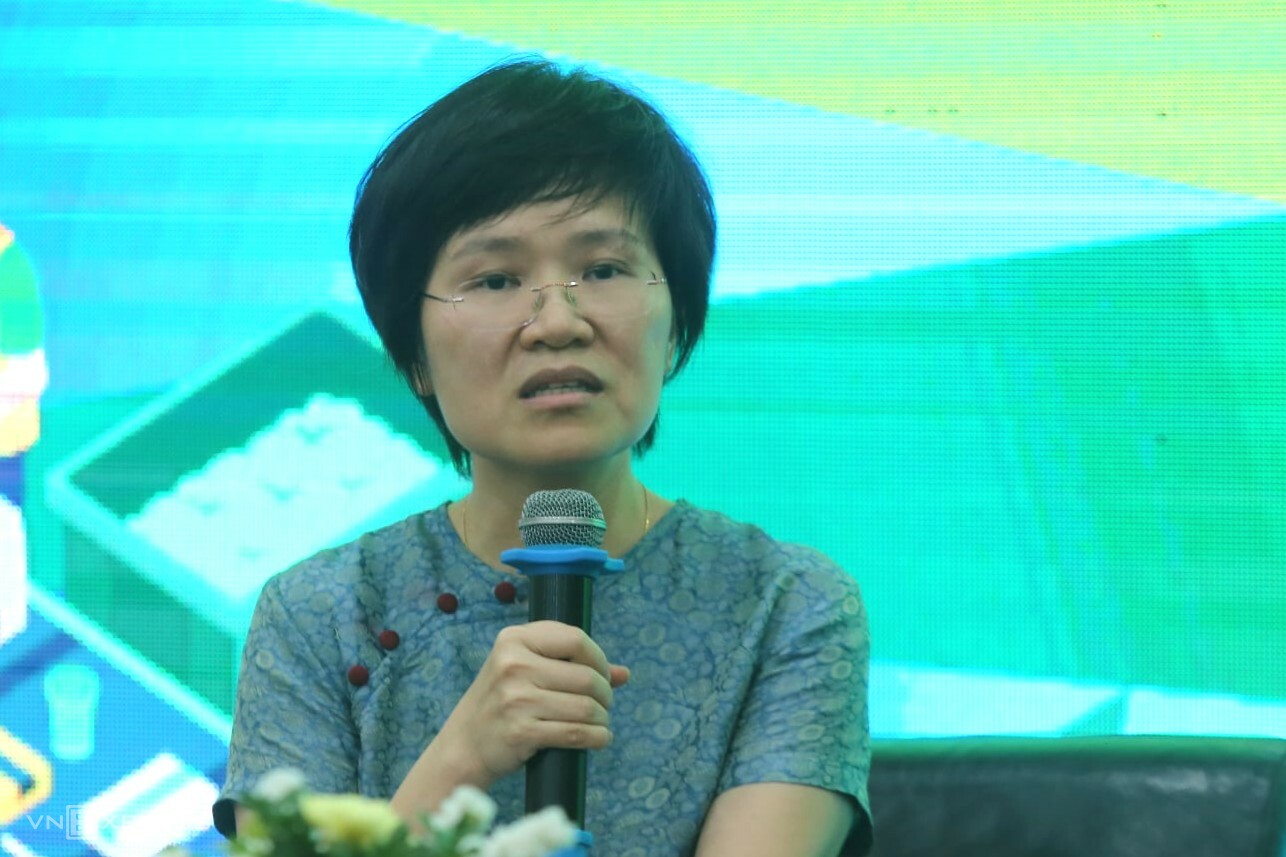 |
Nguyen Thi Thanh Tam speaking at the workshop on 15/9. Photo: Gia Chinh |
Notably, infectious waste, once treated by autoclaving or microwave systems, can be reclassified as general waste. Nevertheless, environmental service providers consistently refuse to accept this treated waste as standard general refuse.
"This represents a significant bottleneck for healthcare facilities. While facilities can manage the sorting process, fulfilling the requirements becomes challenging without authorized units available to receive and process the waste", Tam stated.
Smaller facilities, including communal health stations, preventive medicine centers, and private clinics, face even greater hurdles. Their limited waste volume, combined with the absence of appropriate collection, transportation, treatment, and transfer protocols, exacerbates the problem.
Within healthcare facilities, pharmaceutical packaging originates from pharmacies, drug storage, clinical departments, administrative offices, and general living areas. Several types of packaging are recoverable and recyclable, including glass medicine bottles, paper and cardboard medicine boxes, plastic bottles for non-hazardous medicines and chemicals, and certain metal materials.
The Ministry of Health reports that Vietnam generates about 600 tons of medical solid waste daily. While most of this is general waste, a significant portion comprises materials that could be recovered and recycled if sorted correctly at the point of origin.
Ta Manh Hung, Deputy Director of the Drug Administration of Vietnam, Ministry of Health, emphasized that pharmaceutical and cosmetic manufacturers and importers bear the responsibility for packaging recycling. This obligation rests with the entity introducing the product to the market, not with the packaging or raw material suppliers.
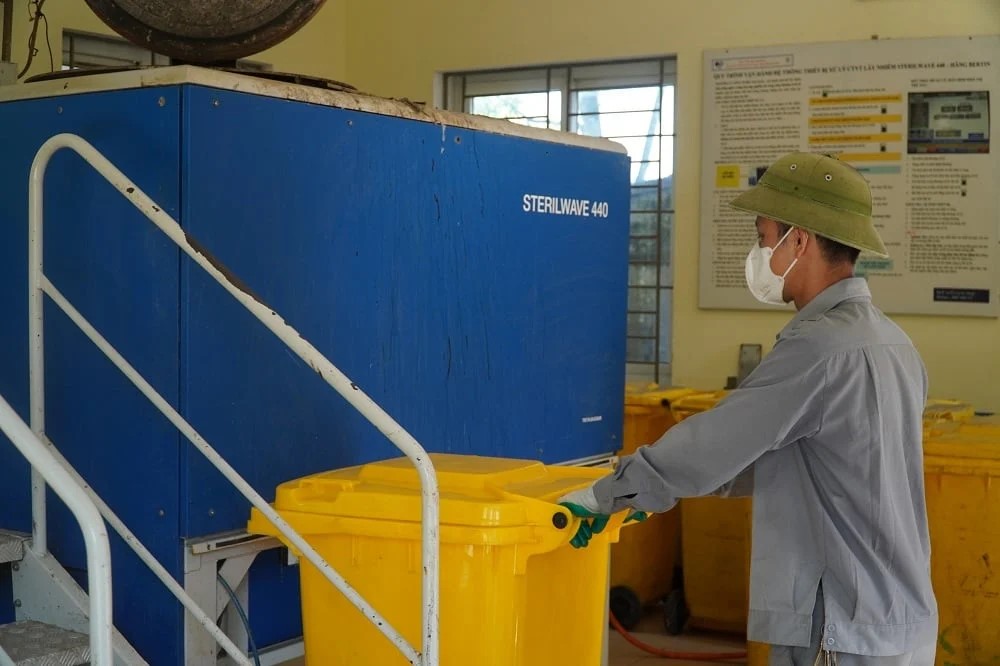 |
Medical waste treatment at Thanh Hoa Provincial General Hospital. Photo: Department of Environment |
While some businesses have already taken on this recycling responsibility, others have not fully grasped or complied with it. Hung noted that this responsibility extends beyond legal mandates, impacting brand reputation and long-term economic gains.
"Achieving a circular economy through pharmaceutical and cosmetic packaging recycling requires collaborative efforts among regulatory bodies, businesses, the community, and recycling facilities, rather than being the sole responsibility of one enterprise", Hung stated.
Hung further advised that businesses should proactively design packaging for easy recyclability, ensuring compatibility with existing treatment technologies and increasing the incorporation of recycled materials. For packaging directly contacting medication, especially sterile drugs, stricter criteria for recycled content are necessary. Conversely, general policies can apply to outer packaging that does not directly contact the product.
The Ministry of Health has urged environmental management agencies to issue specific technical guidelines for glass waste recycling and to implement policies that support and incentivize businesses to participate. Additionally, the Ministry requested the development of waste treatment guidelines tailored for small-scale healthcare facilities.
A Ministry of Health representative stressed the need to finalize the waste reception and treatment system. They also called for an examination into the responsibility of authorized units to accept general solid waste from healthcare facilities. This approach would effectively address the bottleneck currently existing between waste sorting and recycling.
Gia Chinh