Vietnam is strategically developing its indigenous H'Mong cattle breed to produce high-quality beef, with the ambition of competing with globally recognized breeds like Wagyu and Hanwoo. Pham Kim Dang, Deputy Director of the Department of Livestock Production and Veterinary Medicine, highlighted this initiative at a press conference for the 21st Asian-Australasian Animal Production (AAAP 2026) Conference, scheduled for 28-31/10 at the National Convention Center in Hanoi.
International specialists, invited by Vietnam's expert agencies, have assessed H'Mong cattle across various aspects, including genetic characteristics, stature, and physical condition. Their findings indicate significant potential for the breed, with a "starting point" even considered superior to Hanwoo, South Korea's renowned beef cattle.
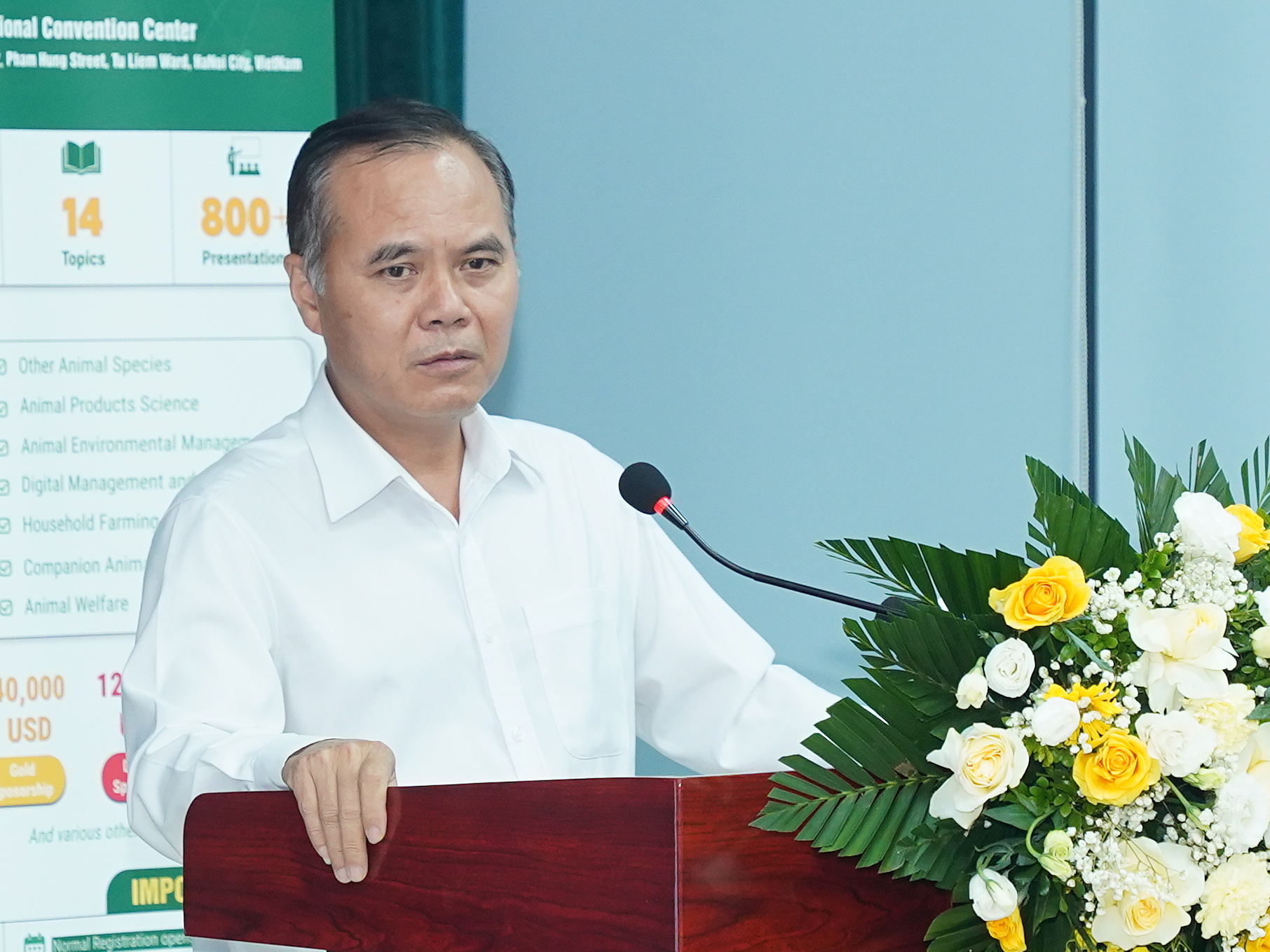 |
Pham Kim Dang speaks at the press conference on 14/9. Photo: G.C |
South Korea's Hanwoo breed achieved premium status through substantial investment in selective breeding and advanced farming technology. Recognizing this, Vietnam has introduced and tested several livestock technologies on H'Mong cattle, observing promising results. "We are developing a strategic technology plan, which includes a mandate to select and breed cattle for high-quality meat," Mr. Dang stated.
A crucial component of this plan involves establishing a comprehensive system for assessing and ranking beef quality, drawing inspiration from the successful models in South Korea and Japan. Mr. Dang noted that while Vietnamese livestock products are often described as "delicious," there has been a lack of specific criteria to quantify this quality. In contrast, South Korea and Japan categorize and rank meat quality based on clear standards, offering researchers, breeders, and farmers precise objectives beyond mere experience.
The livestock sector designates the breeding of high-quality beef cattle as a strategic technology. However, its implementation demands substantial resources in terms of human capital, equipment, and research. Therefore, it requires the active participation of institutes, universities, and specialized units. Mr. Dang emphasized the directive for research institutions, including academies and veterinary units, to collaborate on this effort and develop guidelines for transferring technology to farming regions.
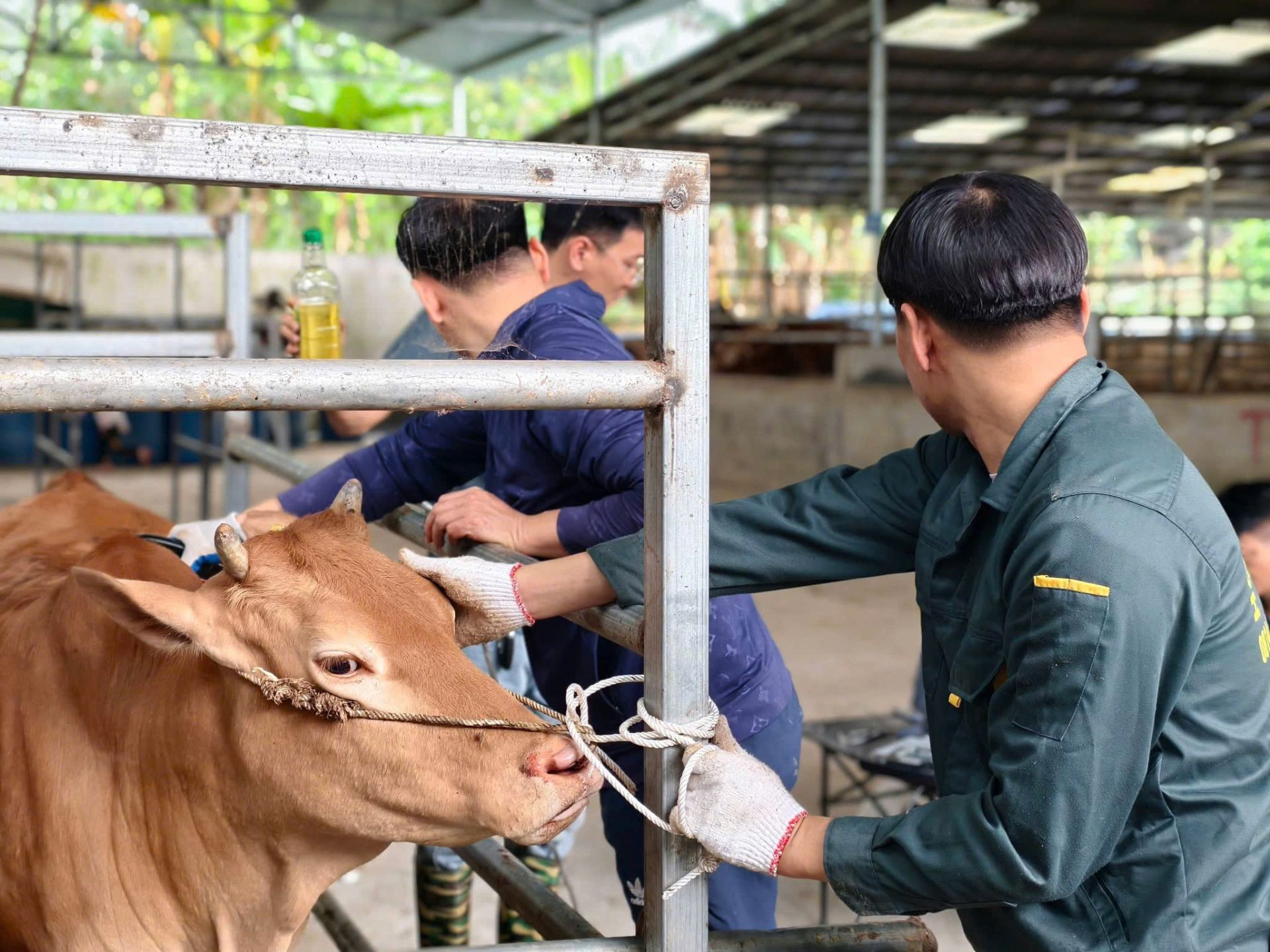 |
H'Mong cattle in Ha Giang, Tuyen Quang province. Photo: Tuyen Quang Department of Agriculture and Environment |
H'Mong cattle are widely raised in many northern mountainous provinces and are known for their adaptability to local conditions. Mr. Dang reported that some H'Mong beef products currently command high prices, reaching approximately 1.2 million VND per kg, and several restaurant chains in Hanoi have begun incorporating this meat into their menus. To further elevate the value of H'Mong cattle, the livestock sector must transition from production primarily based on experience to a controlled system that manages breeding, nutrition, and rearing processes through technology. He highlighted "chip management and breed management" as key approaches to control the farming process and ensure consistent product quality.
Beyond H'Mong cattle, Mr. Dang revealed that the livestock industry is also exploring the development of other high-potential indigenous products into valuable commodities, such as Huong Son deer velvet from Ha Tinh province. He explained that Vietnam currently imports deer and deer products for nutritional supplements, despite Huong Son's long-standing tradition of deer farming and its renowned deer velvet. Expert agencies are collaborating with Ha Tinh to research selective breeding, apply processing technology, and build a brand for this product. The overarching goal is to create high-value products and establish national brands, mirroring how some countries develop distinctive product brands from indigenous raw materials.
The AAAP 2026 Conference, themed "Sustainable Livestock Production," is hosted by the Animal Husbandry Association of Vietnam (AHAV). To date, about 1,400 delegates have registered, including approximately 600 international attendees from 42 countries and territories. Participants include scientists, experts, managers, businesses, associations, and international organizations involved in livestock production, veterinary medicine, environmental science, and food processing.