On the morning of 26/2, Prime Minister Pham Minh Chinh chaired a meeting of the Central Steering Committee on the Real Estate Market, where he noted the growing housing demand from middle-income workers, those earning over 20 million Vietnamese dong monthly.
He stressed the importance of developing diverse housing segments, particularly affordable commercial homes with comprehensive, synchronized infrastructure. The objective is to boost supply and lower costs, ensuring fair and transparent housing access for all citizens. "Housing policy must guarantee equal access for everyone, especially low and middle-income groups," he stated.
In 2025, the government introduced various policies and eased regulations to stimulate housing development, with a particular focus on social housing. Nationwide, over 100,000 social housing units have been completed, contributing to the goal of 1 million units by 2028, two years ahead of the original schedule.
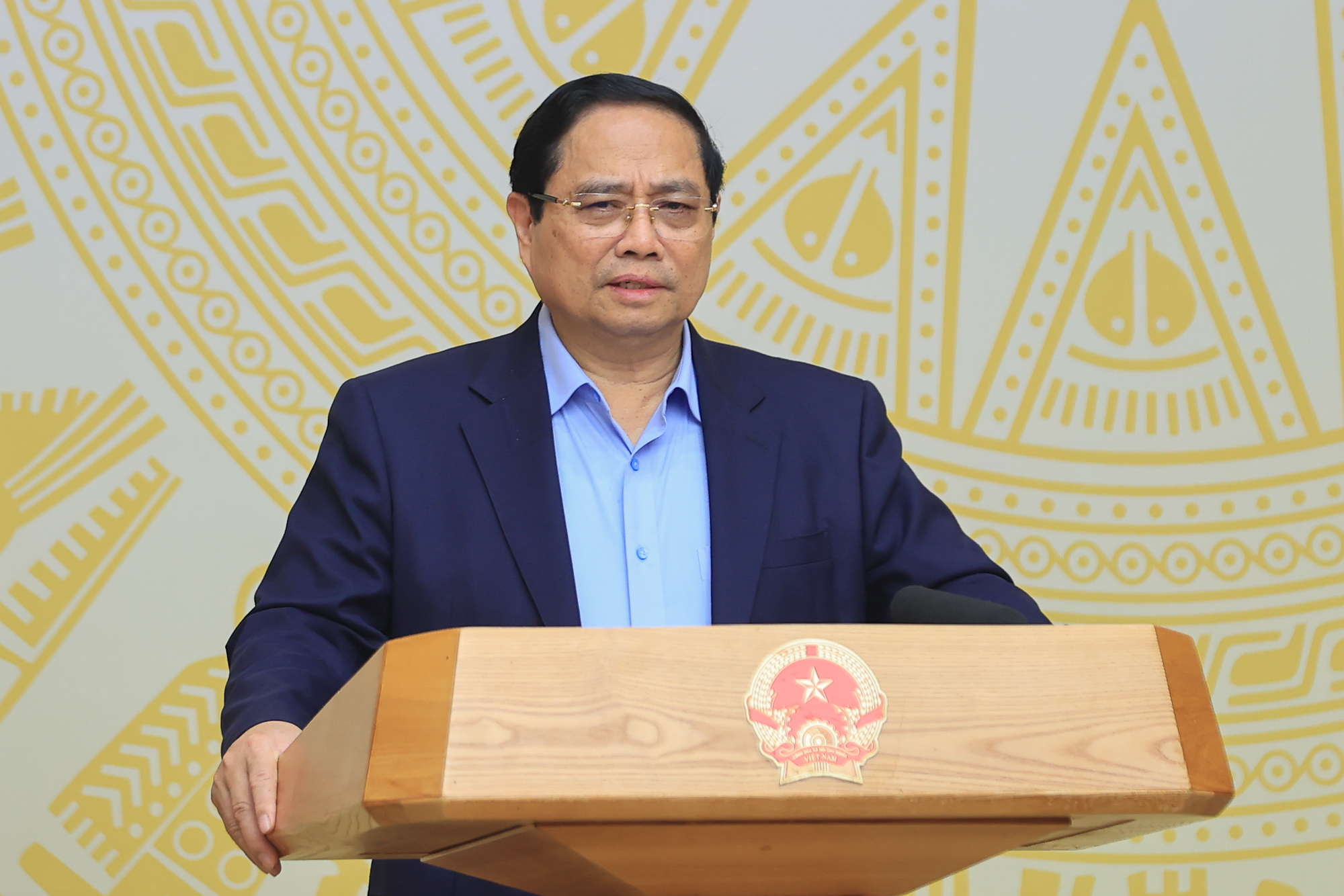 |
Prime Minister Pham Minh Chinh speaking at the meeting, 26/2. *Photo: VGP*
Despite stable incomes, middle-income individuals currently struggle to afford homes, particularly in major urban centers. The segment of affordable housing, typically two-bedroom units priced between 2 and 3 billion Vietnamese dong, has virtually vanished from the primary market.
The Vietnam Association of Realtors (VARS) reported that in 2025, the nation introduced over 128,000 new real estate products, an 88% increase from 2024. These were predominantly high-end apartments. Units exceeding 100 million Vietnamese dong per square meter comprised 25% of the new supply. In Hanoi, the average price reached 100 million Vietnamese dong per square meter, marking a 40% rise. Ho Chi Minh City saw apartment prices average about 110 million Vietnamese dong per square meter, an increase of 23%.
Beyond addressing the supply deficit in the needed housing segments, the prime minister emphasized that Vietnam should pursue Transit-Oriented Development (TOD) for urban areas. This strategy aims to optimize land use, alleviate congestion, and enhance urban quality. He also called on policymakers to provide preferential credit for commercial housing projects that offer prices aligned with public demand.
"Ministries, agencies, and localities must 'not waste a day' in developing and refining policies that address the real demands of the housing and real estate markets," the prime minister urged.
Phuong Dung