The Ministry of Finance is currently soliciting feedback on a draft decree concerning electronic invoices and documents, which proposes several cases where electronic invoices would not be required.
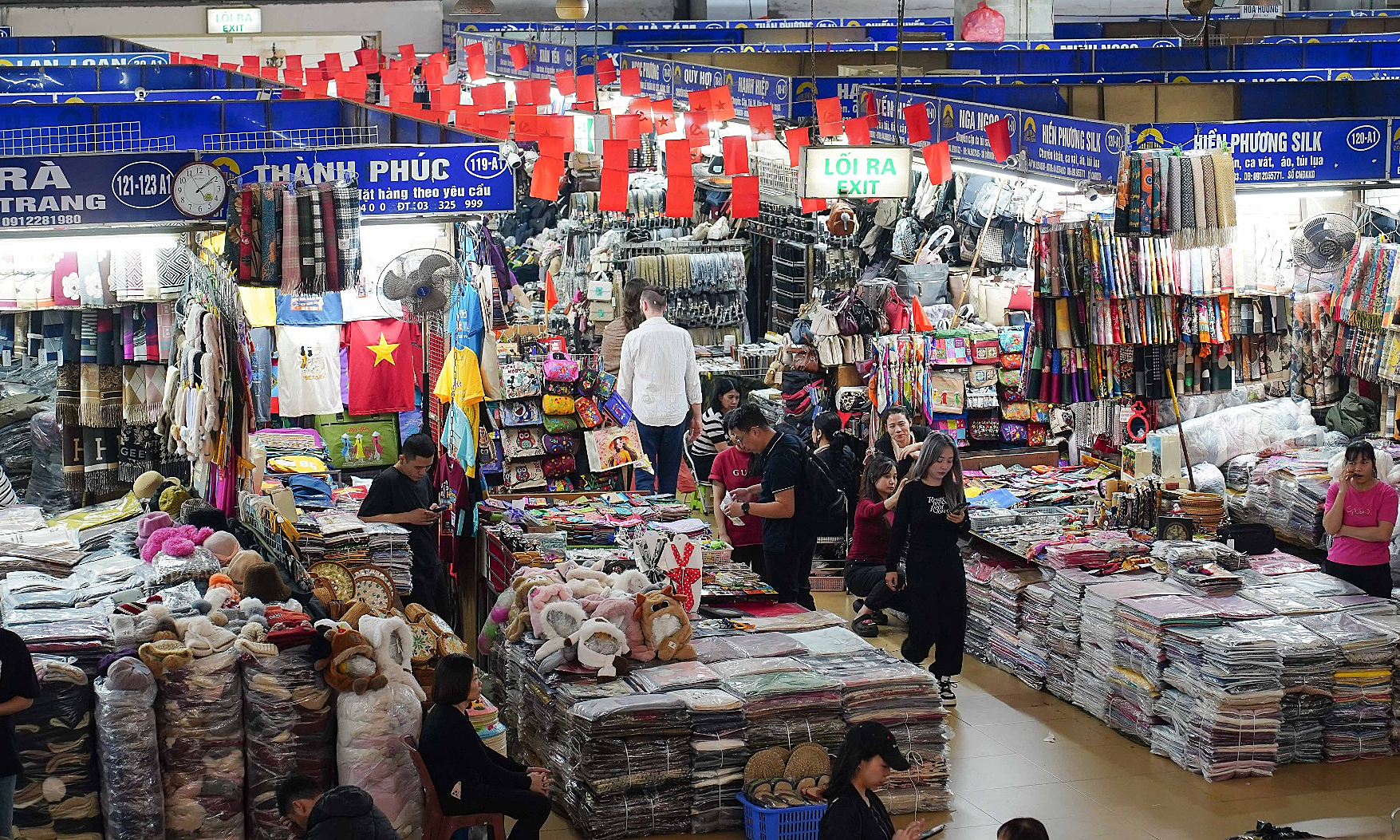
According to the draft, business households and individuals are exempt from using electronic invoices if they are not subject to value-added tax and are not required to pay personal income tax.
The ministry also proposes that sellers on e-commerce platforms with payment functions would not need to issue electronic invoices if the platform owner has already withheld, declared, and paid taxes on their behalf for each transaction. If a buyer requests an invoice, the platform owner must issue an electronic invoice to the customer.
The draft also suggests not applying electronic invoices from point-of-sale terminals to goods sales or service provision on e-commerce or digital platforms.
 |
An invoice issued at a retail point. Photo: Phuong Dung |
Insurance agents or individuals collaborating with insurance companies could receive similar treatment if the company has already withheld taxes. Invoice issuance would only occur if the buyer requests it.
Certain financial transactions are also proposed to be exempt from electronic invoice issuance. These include: proceeds from reinsurance activities such as reinsurance cession, reinsurance cession commissions, deposit transactions, certificates of deposit, securities, primary securities issuance, valuable papers, debt sales, foreign currency transactions, and derivative products.
The draft references cases where electronic invoices are not required under Decree 181/2025, such as internal consumption, asset transfers within an enterprise, or corporate restructuring activities.
The Ministry of Finance states that clearly defining these exemptions ensures consistency with value-added tax laws. This also prevents unnecessary invoice obligations for certain transactions, reducing compliance costs for businesses and taxpayers.
Additionally, the draft permits issuing daily summary electronic invoices in certain cases of selling goods or services to individuals who do not require an invoice. This mechanism applies to sectors with transaction management software systems, such as: banking, securities, insurance, e-wallet money transfers, parking, cinema, postal services, or logistics for platforms.
Public transport types, such as trams, buses, and taxis with fare calculation software, are also allowed to issue daily summary invoices if their management systems contain full trip information and fares. Similarly, educational institutions with tuition management software that store electronic receipts can issue daily summary invoices if students do not request individual invoices.
The draft further proposes that for business households with annual revenue of 3 billion dong or less, transactions for goods and services under 50,000 dong per instance can be aggregated for daily electronic invoice issuance.
Sellers are responsible for the accuracy, storage, and provision of detailed summary tables when requested by state agencies. If a buyer requests an invoice, the entity must issue an invoice to the buyer.
Phuong Dung