The Ministry of Finance is drafting a decree to amend the Most Favored Nation (MFN) import tax rates for certain fuel products and input materials. In its submission to the Ministry of Justice for appraisal, the agency forecasts that if Middle East tensions persist, imported fuel supplies could become scarce, driving up prices and creating risks for domestic supply security.
To address this, the ministry proposes reducing the MFN tax rate from 10% to 0% for unleaded motor gasoline and gasoline blending components.
The MFN import tax is also proposed to be reduced from 7% to 0% for diesel, fuel oil, and jet fuel products. Additionally, several gasoline blending and petrochemical materials such as naphtha, reformate, and condensate are also expected to see their tax rates cut to 0%.
According to calculations by the Ministry of Finance, based on 2025 import turnover, applying the new tax rates would result in a budget revenue reduction of approximately 1,024 billion dong.
The decree is expected to take effect from its signing date until 30/4. Should an extension be necessary, the Ministry of Industry and Trade will propose it to the Ministry of Finance for submission to the Government.
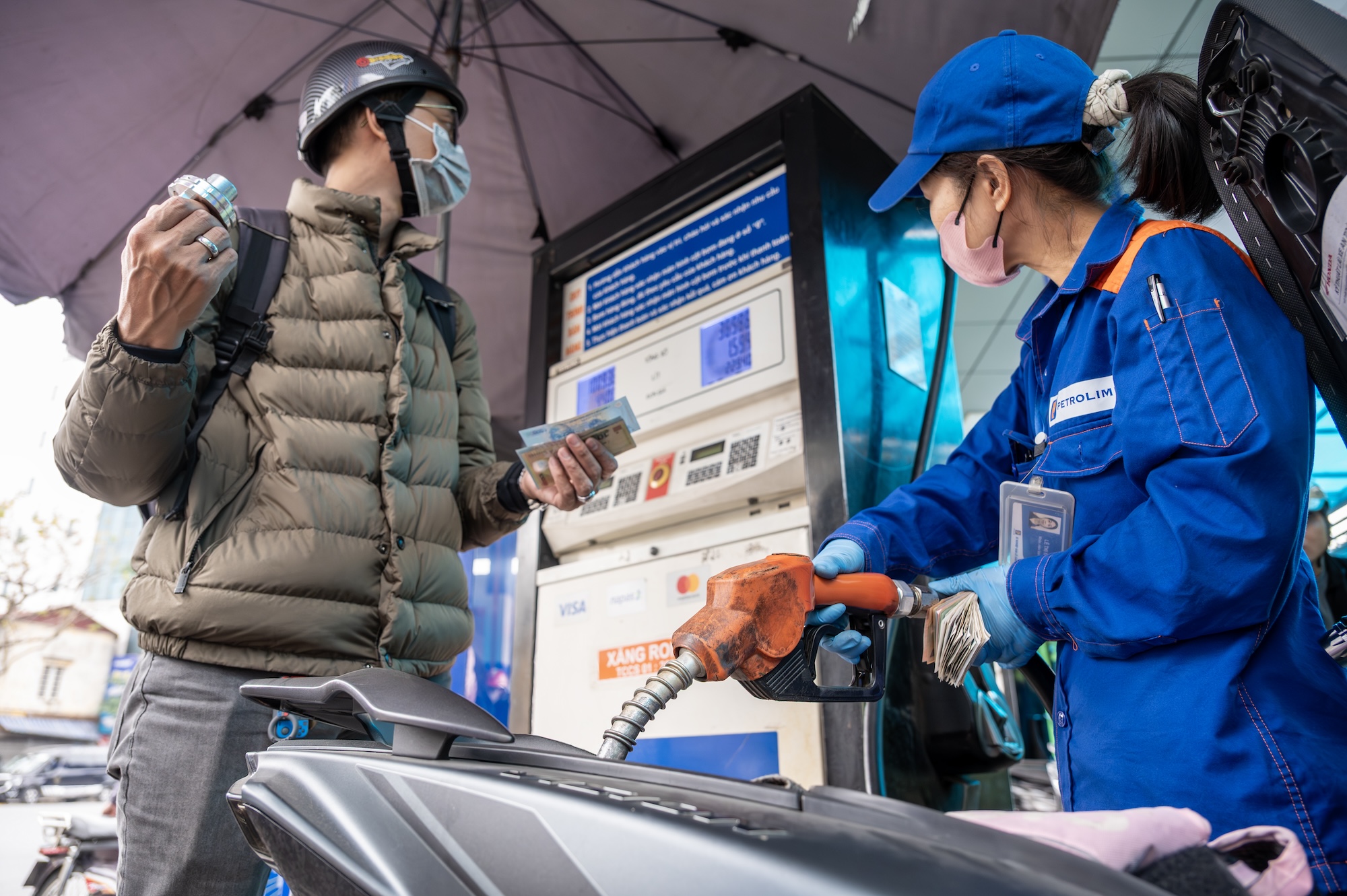 |
A gas station employee refuels a customer's vehicle on 7/3. *Photo: Giang Huy*
The Ministry of Finance assesses that global instability is causing sharp fluctuations in energy prices, particularly for oil and gas. Global fuel supply shows signs of disruption, leading to higher crude oil prices. This development impacts the domestic fuel market.
Therefore, adjusting the MFN import tax is a solution to incentivize key enterprises to seek and import fuel from markets without Free Trade Agreements (FTAs) with Vietnam. This measure aims to stabilize supply and ensure national energy security.
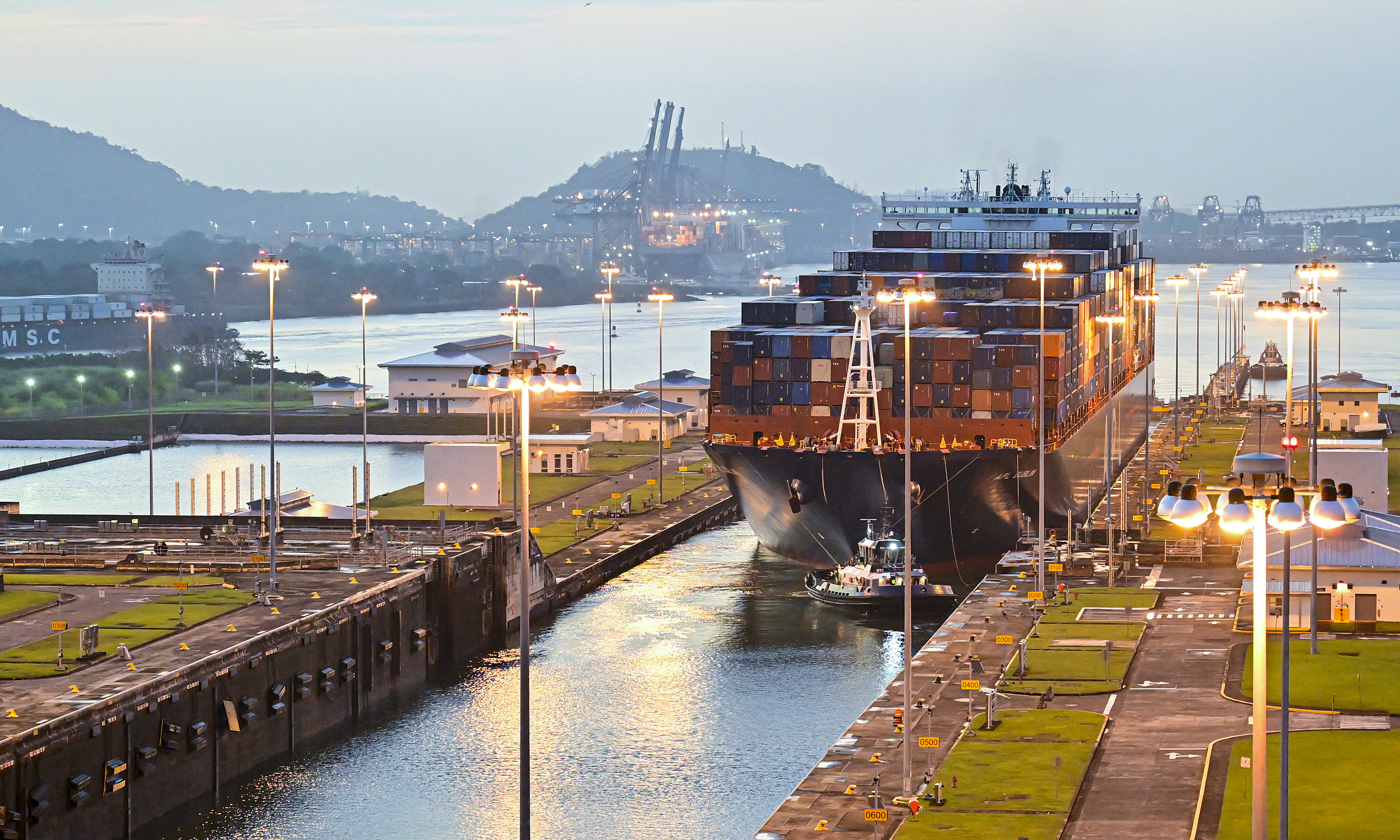
The domestic fuel market has seen significant fluctuations since the conflict in the Middle East escalated last week. Currently, Qatar has halted liquefied natural gas production, Israel has temporarily closed a gas field, and Arab Saudi has shut down its largest oil refinery due to hostilities. Shipping activity through the Strait of Hormuz, a critical chokepoint for global oil flow, is nearly paralyzed, with over 10% of the global container fleet stuck there.
According to the Ministry of Finance, the conflict involving the US, Israel, and Iran strongly impacts global fuel business operations. Specifically, the blockade of the Strait of Hormuz prevents approximately 20 million barrels of crude oil per day from the Middle East from reaching refineries, especially those in Asia.
As a result, many regional refineries have cut capacity, utilized crude oil reserves, and limited exports of refined fuel products. This situation continues to drive up fuel prices.
Domestically, some refineries risk facing difficulties due to potential shortages in imported crude oil supply and the risk of not fulfilling existing delivery contracts.
Currently, most fuel imported into Vietnam comes from ASEAN countries and South Korea, benefiting from a 0% tax rate under free trade agreements. However, with global supply constrained, purchasing refined fuel from these markets could also face difficulties.
Phuong Dung