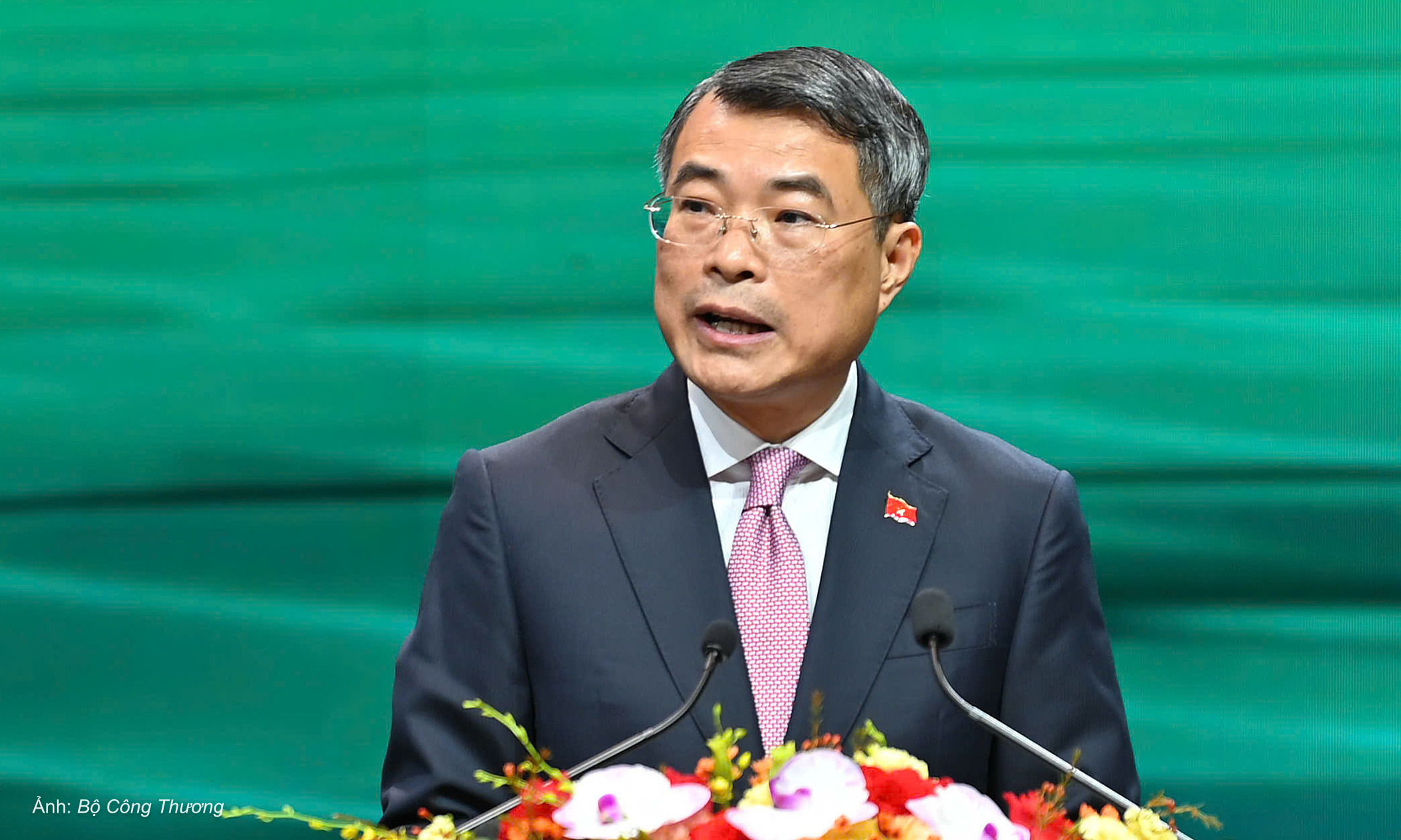
On the morning of 17/10, Minister of Science and Technology Vu Hai Quan, authorized by the Prime Minister, presented the draft revised Postal Law to the National Assembly. This draft includes a key proposal to add regulations on cash on delivery (COD) activities. Specifically, article 31 outlines that postal businesses are permitted to collect sales proceeds on behalf of customers, provided these funds are managed, reconciled, and fully, accurately, and timely refunded.
 |
Minister of Science and Technology Vu Hai Quan presented two draft laws to the National Assembly during the morning session on 17/10. *Hoang Phong*
National Assembly delegates, however, have voiced concerns regarding the draft's current provisions. During a subsequent group discussion, Nguyen Thi Viet Nga, Deputy Head of the Hai Phong City National Assembly Delegation, supported recognizing cash on delivery activities but argued that the draft lacks sufficient mechanisms to prevent the misappropriation or misuse of collected funds.
Nga highlighted that for sellers, especially small businesses and producers, cash on delivery funds often serve as essential working capital for purchasing raw materials and maintaining operations. She warned that delays in remittances from delivery companies could lead to capital shortages and significant losses for sellers, even after goods have been delivered and paid for.
To mitigate these risks, Nga proposed amending article 31 to mandate that cash on delivery funds be managed and tracked separately from a business's operating funds. She emphasized that postal businesses must not use these funds contrary to agreements and legal regulations, advocating for preventive mechanisms to be established from the outset of service provision, rather than waiting for disputes to arise.
 |
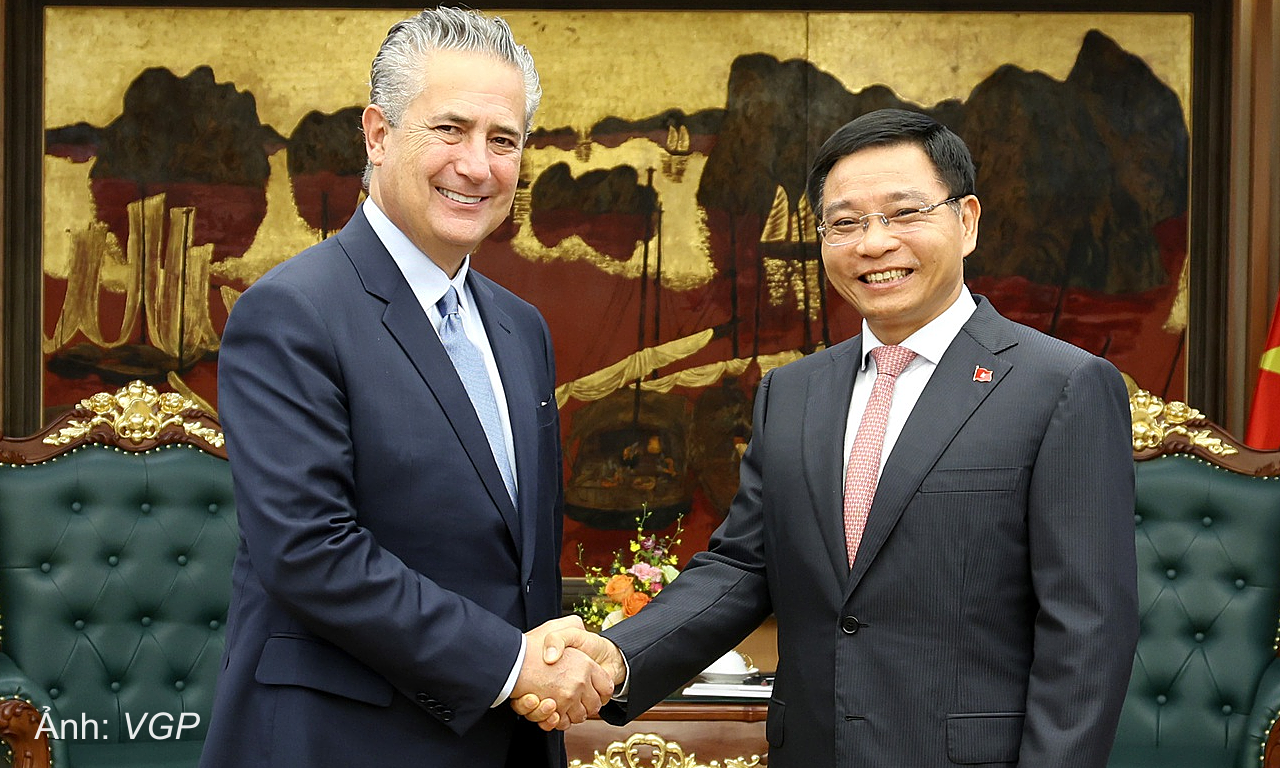
Nguyen Thi Viet Nga, Deputy Head of the Hai Phong City National Assembly Delegation, during the discussion session on the morning of 17/10. *Anh Tu*
Similarly, Nguyen Ngoc Son, a full-time delegate on the National Assembly's Committee for Science, Technology, and Environment, expressed concern about the potential for misappropriation or loss of capital affecting tens of thousands of business households and cooperatives. Son noted that the annual cash on delivery turnover flowing through postal businesses could far exceed the entire industry's revenue, yet these funds are currently not clearly regulated by the Postal Law or other existing laws.
Son called for the revised Postal Law to include minimum principles for managing collected funds. He also requested the drafting agency to clearly explain the legal basis for risk control and consumer protection in the law's proposal.
The Ministry of Science and Technology clarified that while cash on delivery is not a core postal service, it is an integral activity widely adopted by businesses, particularly in e-commerce. Therefore, regulating it under the Postal Law aims to establish a legal framework defining the rights, obligations, and responsibilities of businesses and users. The draft also clarifies that cash on delivery activities are not classified as payment services or intermediary payment services under banking law, ensuring a clear distinction in regulatory scope.
The revised Postal Law is scheduled for discussion in the assembly hall on the morning of 28/10. The National Assembly is expected to consider and vote on the law on 13/11.
Anh Tu