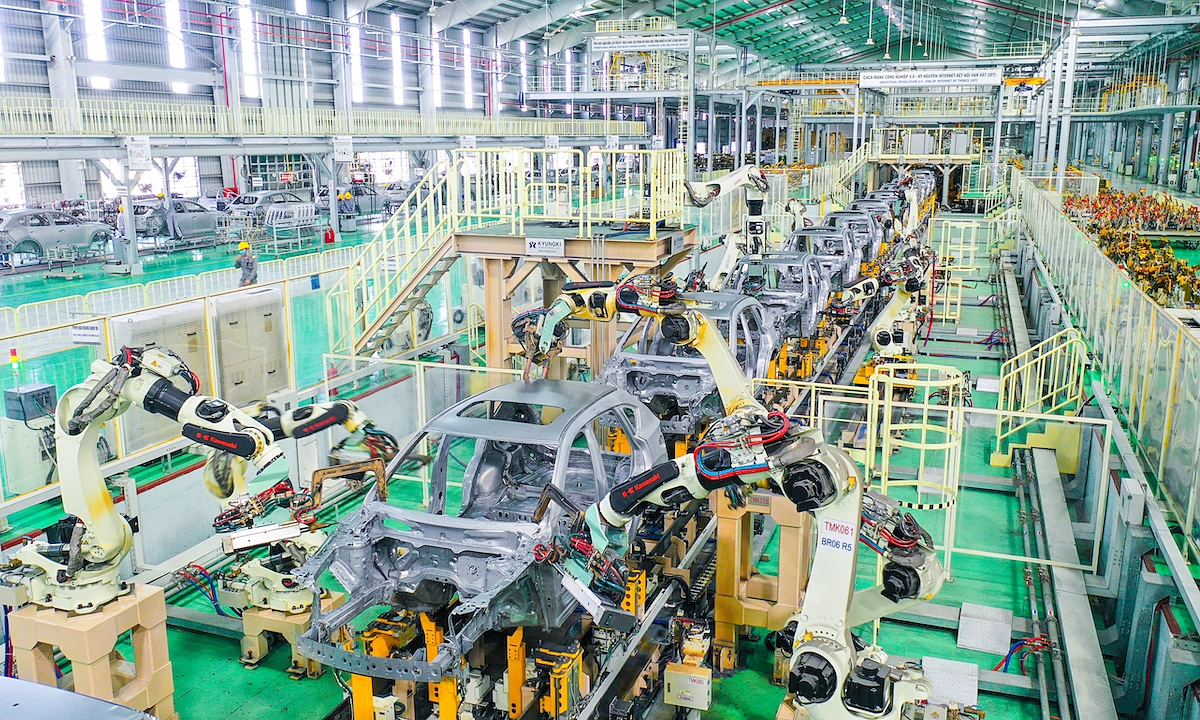
In an interview with CNBC, Jens Lottner stated that large businesses and key projects in Vietnam have not yet experienced significant impacts from energy price fluctuations. According to him, many businesses continue to maintain long-term investment plans and show no signs of reducing capital expenditure.
The Techcombank CEO noted that energy price volatility and inflation are topics of concern for many economies. However, based on observations, businesses in Vietnam do not yet consider these factors a reason to alter their investment strategies.
According to Lottner, businesses' main concern currently is the outlook for market demand, the ability to sustain exports, and trade growth in the coming period. Additionally, businesses are paying more attention to the risk of increasing raw material prices, especially for steel and basic commodities, rather than fearing energy shortages.
 |
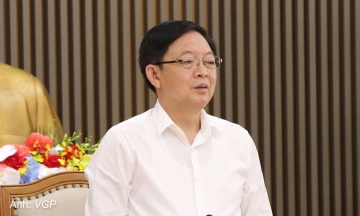
Jens Lottner, Techcombank CEO. *Photo: Techcombank* |
Lottner's relatively optimistic assessment stems from regulatory policies. The government has implemented various measures, such as adjusting fuel taxes and seeking alternative energy sources, to minimize the direct impact of global energy prices on domestic citizens and businesses.
He also believes that expanding the tax base in recent years has increased budget revenue, creating room to continue implementing investment programs and growth support. This also provides a foundation for key infrastructure projects to proceed as planned, helping to maintain business and investor confidence in Vietnam's long-term growth prospects.
"These policies drive short-term economic growth and lay the groundwork for Vietnam's long-term development goals, including the aim to become a high-income nation by 2045", the Techcombank CEO stated.
A new growth bottleneck
While offering a positive assessment, Jens Lottner also noted that current energy fluctuations pose more complex challenges than the "tariff shock" Vietnam faced and overcame in recent years.
According to him, when trade tensions erupted, the core issue was competitive positioning, a problem that could be addressed through bilateral negotiations and supply chain repositioning. Vietnam demonstrated quick adaptability during that period, becoming one of the destinations that benefited most from the shift of manufacturing away from Trung Quoc.
"The risk this time is not a lack of energy for production but rather indirect impacts on global demand and international trade. If energy costs remain high for an extended period, global consumer demand and trade activities could decline, thereby affecting exports from highly open economies like Vietnam", Jens Lottner observed.
Therefore, the Techcombank executive stated that the bank is developing more cautious internal scenarios for growth prospects.
Notably, when discussing large-scale projects underway, the Techcombank CEO emphasized that the challenge for businesses is not a lack of capital but rather a shortage of skilled human resources. He observed that the implementation speed of strategic projects is outstripping the supply of qualified engineers, project managers, and technical experts.
"Vietnam's bottleneck is no longer capital; it is now tied to skilled human resources needed to meet the pace of project implementation", he emphasized.
A Techcombank representative stated that this challenge is not unique to Vietnam but is also emerging in many economies during periods of accelerated investment and infrastructure development. Nevertheless, the continued implementation of strategic projects and the rising demand for high-quality human resources reflect businesses' confidence in Vietnam's long-term growth prospects.
Minh Ngoc