Heavy crude oil, a type favored by refineries worldwide for its lower price, is accumulating in the Americas. Soaring freight costs are hindering exports, creating an unusual divergence in the global oil market. This surplus in North and South America contrasts sharply with buyers in Asia and Europe, who are struggling with supply shortages, even as Brent crude prices remain above 100 USD per barrel.
Heavy crude oil is well-suited for the designs of refineries in Asia, many in the United States, and some in Europe. This type of oil is typically less expensive than light crude, allowing fuel refiners to achieve higher profit margins when transportation costs are reasonable.
Given the surge in US diesel prices, these heavy crude shipments should ideally be quickly purchased, as heavy crude yields a higher diesel output than lighter varieties. However, analysts and oil traders report that US Gulf Coast refineries have already secured sufficient fuel to meet their operational capacity.
According to the U.S. Energy Information Administration (EIA), US refineries have consistently operated at nearly 94% capacity this year, marking a 28-year high. Despite their flexible and modern designs, these facilities can only process a specific proportion of heavy crude oil.
"Oil volumes from Venezuela and the U.S. emergency reserves have impacted the market for many months, pushing US refineries to near full capacity," said Irwin. "High freight costs further complicate exports, leading to a sharp increase in heavy crude inventories in the United States."
"It's all about freight rates," commented Scott Shelton, an energy expert at TP ICAP. Venezuela, the United States, and Canada all produce more oil than they consume, necessitating exports to Asia to balance their domestic markets.
Venezuela's oil exports have significantly increased since the United States detained former President Nicolas Maduro earlier this year, which spurred activity in the country's oil industry. Canada's oil production is also at record levels. Meanwhile, Washington has released over 130 million barrels of oil from its emergency reserves.
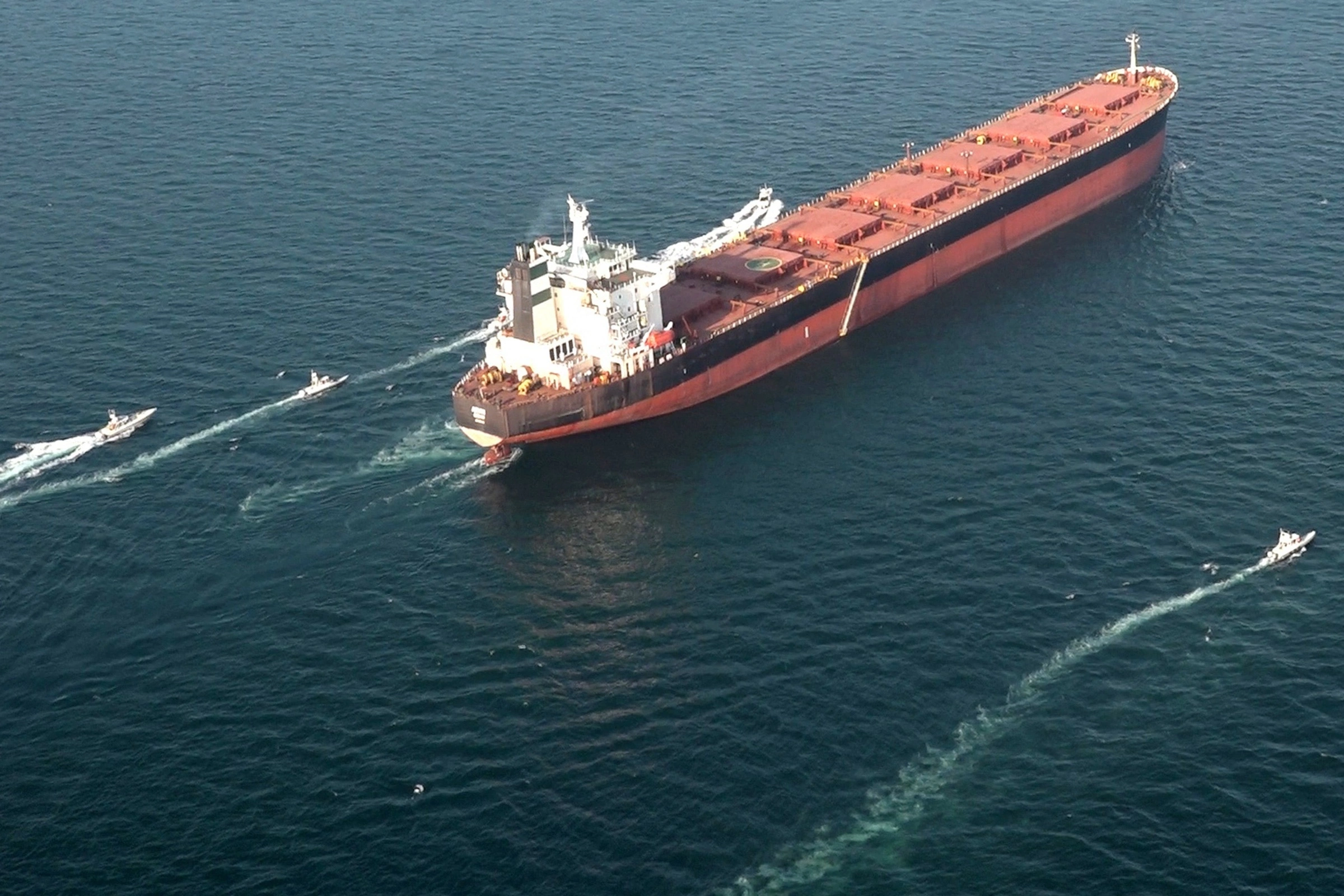
However, the cost to charter a supertanker from the U.S. Gulf Coast to Asia has increased more than fivefold since February. This surge is attributed to ship-to-ship transfer operations in the Gulf of Oman, which require vessels to remain in the area for longer periods. Shelton stated, "You need ships, but prices are up, and available ships are down."
Georgios Sakellariou, an analyst at Signal Maritime, reported that the cost of shipping by supertanker from the Gulf of Mexico to Europe last week was approximately 46 million USD, equivalent to 24,5 USD per barrel. Before the conflict in the Middle East, these figures were only 6,5 million USD and 4 USD per barrel.
For shipments to Asia, this fee rises to over 80 million USD, or 40 USD per barrel. Prior to the conflict, such transportation only cost between 10-15 million USD.
According to data firm Argus Media, prices for heavy crude oils from Canada, Colombia, and Ecuador have all fallen by over 10 USD per barrel, reaching a 6-week low. Western Canada Select crude, excluding shipping or insurance costs, was priced at approximately 74 USD per barrel last mid-week. Vasconia from Colombia traded at 84 USD, while Ecuador's Oriente crude was around 76 USD. Venezuelan crude oil was trading near 74,5 USD.
Ha Thu (according to Reuters)