As the US and Iran discuss ways to permanently open the Strait of Hormuz and restore the flow of Middle Eastern oil, future developments in the market may once again hinge on a nation not participating in the negotiations: China.
As the world's second-largest oil consumer, China has taken measures to preserve its supply amidst a Middle East conflict that disrupted the flow of over 11 million barrels of oil per day. Beijing reduced imports, utilized its massive reserves, and boosted clean energy use. These actions minimized the impact on domestic prices.
China's measures also influenced the global market. At the start of the conflict, many analysts warned that oil prices could reach 200 US dollars per barrel this year. However, even with total oil losses exceeding one billion barrels, prices have remained stable. Many attribute this stability primarily to China.
"China plays a critical role in creating a buffer for the rest of Asia, thereby easing pressure on the global economy," stated Daan Walter, Director at energy consultancy Ember.
 |
Crude oil import storage tanks in Qingdao, Shandong, China in August 2025. Photo: AFP
On the morning of June 24, Brent crude oil traded around 76 US dollars per barrel, while WTI stood at 72 US dollars. Prices fell over several sessions due to expectations of the Strait of Hormuz resuming normal operations soon. Before the conflict, Brent crude was approximately 70 US dollars per barrel, rising to over 120 US dollars by early May—its highest in four years.
As China's energy influence grows, many analysts believe its policies and consumption trends will be decisive for oil prices, regardless of how quickly the Strait of Hormuz reopens.
In a report earlier this month, Societe Generale Bank analysts noted that the 1973 Arab oil embargo reduced global supply by 7%, yet oil prices surged by 134%. However, the current conflict has not led to a similar sharp rise in oil prices, despite affecting about 14% of global supply.
The bank suggests this paradox largely stems from China—the "invisible hand rebalancing the market." The nation has the capacity to reduce imports by approximately three million barrels per day, nearly equivalent to Japan's entire oil demand.
China can significantly reduce consumption for several reasons. Before the conflict, the country increased crude oil stockpiles due to cheap supplies from Russia and Iran, according to Janiv Shah, Vice President of oil markets at Rystad Energy. China currently holds over one billion barrels of oil in commercial and strategic reserves, which have been drawn down since May.
"China once set a floor for crude oil prices. But this year, they are setting a ceiling," Shah said.
During the conflict, the Chinese government also restricted exports of refined products like diesel and gasoline to ensure domestic supply. This reduced the incentive for Chinese refineries to purchase more crude oil on the international market.
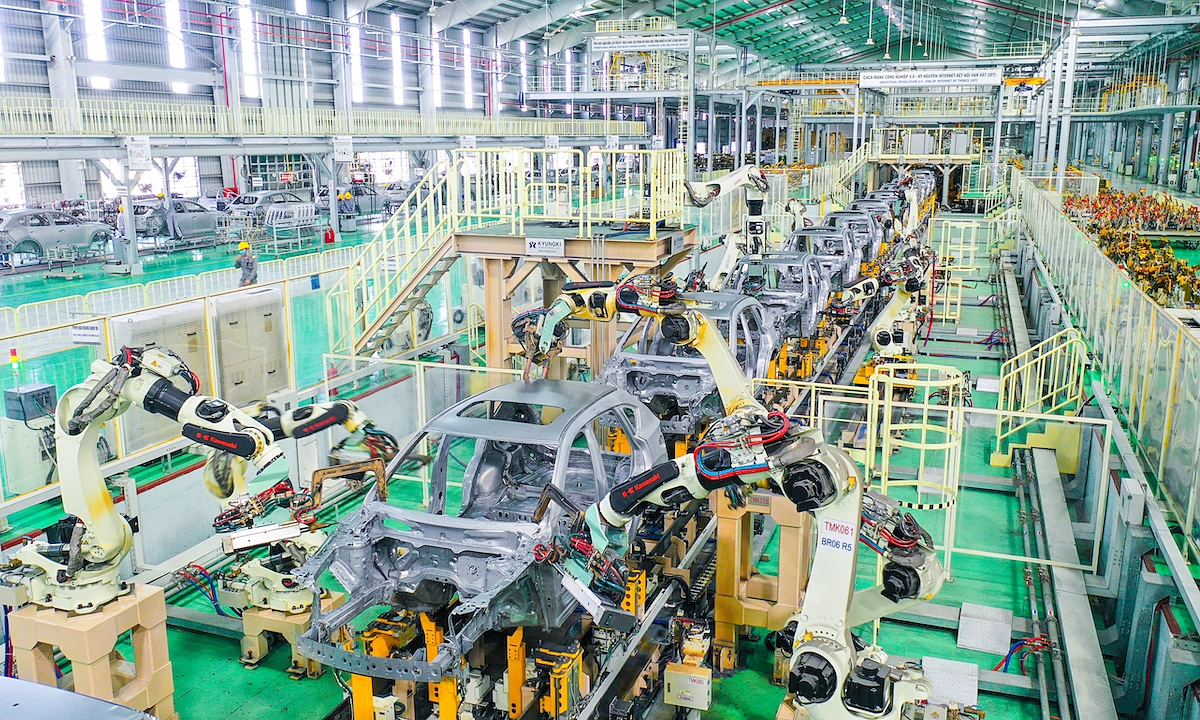
Additionally, the electric vehicle boom is diminishing China's fossil fuel demand. Currently, 50% of new passenger vehicles sold in China are new energy vehicles. The International Energy Agency (IEA) estimates that China's electric vehicle fleet helped reduce oil consumption by about one million barrels per day last year.
"It's a great pressure relief valve for the global oil market," commented David Fishman, a Chinese energy expert at Lantau Group. However, he noted that the country's capacity to absorb supply shocks is limited, as oil reserves cannot be used indefinitely.
Currently, after months of concern about the largest oil crisis in history, the IEA now warns that reopening the Strait of Hormuz could lead to a market surplus in 2027. In a report last week, the IEA forecast an increase in supply of eight million barrels per day, while demand would only rise by two million barrels. They believe this presents an "opportunity for countries to replenish depleted inventories or build new strategic reserves, as many nations review their energy strategies and policies post-crisis."
While global oil demand is still projected to increase, recent instability has also accelerated the transition to renewable energy. China, a world leader in electric vehicles, batteries, and solar energy, recorded record high exports of clean energy products in March, following the outbreak of the conflict.
"Electrification is accelerating. While the outcome of US-Iran negotiations remains uncertain, this could be a pivotal moment for driving global carbon emission reductions," stated Cosimo Ries, an energy and automotive analyst at Trivium China.
Muyu Xu, a crude oil researcher at Kpler, suggests that a surplus could emerge as early as next month. If the Strait of Hormuz reopens quickly, approximately 100 million barrels of trapped oil would return to the market.
Iran will likely boost production, especially with temporary US sanctions waivers. However, this could also make Iranian oil less attractive to China. Beijing has long purchased Iranian oil at significant discounts, given Tehran's limited customer options.
As many nations finalize their oil import plans for summer demand, China could once again become a crucial factor in rebalancing the market. "If prices drop, the first thing they might do is buy to replenish their reserves," Fishman said.
Xu also noted that the situation is entirely different from two months ago. Today, China is the country capable of absorbing excess oil. "But the question is, what will they want to buy?" she asked.
Ha Thu (according to CNN, Reuters)