"Additional duties apply to goods entered for consumption, or withdrawn from warehouse, beginning 12:01 AM on 24/7/2026," stated the Office of the United States Trade Representative (USTR). These new tariffs feature two rates: 10% and 12.5%, replacing a temporary 10% rate that expired concurrently.
The tariffs target "all goods from the investigated economies," though certain exceptions apply. For example: raw materials at risk of supply shortages, products that could disrupt an entire economy, or goods that the US cannot produce sufficiently and lacks alternative sources. Additionally, goods already subject to duties under article 232 on national security last year, such as automobiles, aluminum, steel, and copper, are exempt from these new tariffs. Some products meeting the rules of origin in the United States-Mexico-Canada Agreement also receive exemptions, owing to the highly integrated North American supply chain and their high US value content.
The USTR announcement detailed the tariff application. A 10% tariff applies to imports from countries including: Argentina, Bangladesh, the United Kingdom, Cambodia, Canada, Ecuador, El Salvador, Guatemala, Honduras, India, Indonesia, Jordan, Malaysia, and Mexico. For the European Union (EU), Taiwan, Japan, South Korea, and Switzerland, the new tariff, combined with existing most-favored-nation (MFN) duties, will result in a total of 10% or 12.5%, depending on the specific economy. The remaining 38 countries, including: Vietnam, China, the Philippines, and Thailand, face a 12.5% tariff. US Trade Representative Jamieson Greer affirmed that these new tariffs would not push total duties above mutually agreed caps for countries with existing trade agreements with Washington.
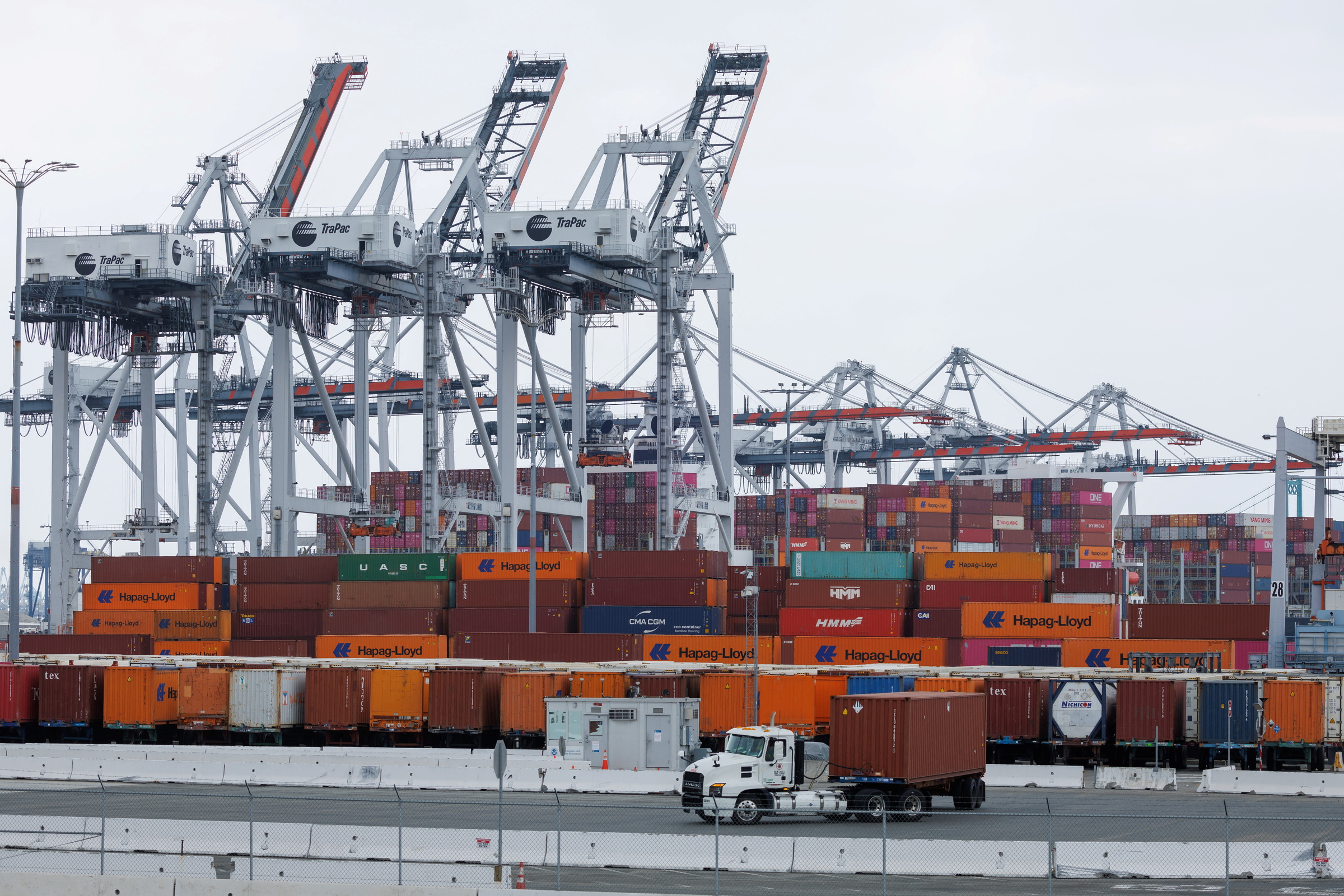 |
Container at Los Angeles port in California (US) in 10/2024. *Photo: Reuters*
Many nations have voiced opposition to these tariffs. Australia and Brazil criticized the new taxes as unfounded and indicated they would seek their removal by Washington. Dominic LeBlanc, the Canadian official responsible for trade with the US, commented, "We will continue constructive discussions with the US on this and other issues in the coming weeks, for the mutual benefit of both our peoples."
The US initially proposed these tariffs in early June, following a months-long investigation into its partners' policies concerning the circulation of goods produced with forced labor. This investigation was conducted under article 301 of the Trade Act of 1974. The USTR concluded that such practices put the US at a competitive disadvantage.
At a press conference in June, Ministry of Foreign Affairs Spokesperson Pham Thu Hang stated that the USTR's investigation findings "do not accurately reflect the reality and Vietnam's efforts in preventing and mitigating forced labor." She added that Vietnam provided comprehensive information during the investigation and will continue to engage with the US to resolve disagreements, aiming to safeguard the legitimate interests of Vietnamese workers and businesses.
Analysts suggest the US President is attempting to reinstate previous import tariffs. In February, the US Supreme Court rejected tariffs imposed by President Donald Trump based on the International Emergency Economic Powers Act (IEEPA). Following that ruling, Mr. Trump signed an executive order imposing an additional 10% import tariff for 150 days, citing authority under article 122 of the Trade Act of 1974. However, this 10% tariff was temporary and expired on 24/7.
Ha Thu (according to Reuters, USTR)