Global commercial fuel reserves have steadily declined over the past six months since the Middle East conflict erupted. Strategic oil reserves in various countries are also low. Last week, repeated attacks forced Saudi Arabia to shut down its critical oil pipeline. Analysts estimate this incident prevents at least 2.5 million barrels of oil from reaching the market daily, exacerbating an already tight global supply.
"Many mechanisms have been employed to mitigate price and supply risks. However, most have been fully utilized, and we no longer possess the substantial buffer we had when the conflict began," said Mike Wirth, CEO of Chevron, on 11/9 at an energy conference in Austin, Texas.
Wirth stated it is challenging to predict how oil prices will evolve. Currently, they find it difficult to foresee a rapid decrease in prices. "I wish I could say I see a reason for the situation to calm down. But right now, that's very unlikely," he noted.
In 3/2026, the CEOs of the three major US oil corporations—ExxonMobil, Chevron, and ConocoPhillips—warned the US government that a prolonged closure of the Hormuz Strait could lead to shortages of refined products such as diesel. Some oil company leaders at the time also expressed dissatisfaction with how US President Donald Trump was handling the conflict.
Veteran energy advisors caution that with no clear resolution in sight for the conflict with Iran, the situation risks spiraling out of control. Diesel prices in the US have surged to a record USD 6.23 a gallon. Gasoline prices, which had dropped below USD 4 a gallon last summer, have now climbed back to USD 4.32. Some energy analysts report receiving frequent inquiries from investors about when consumers will begin to reduce their purchases.
The Trump administration has repeatedly assured the public that fuel prices at gas stations would decrease and that energy supplies from the Middle East would continue to rise. Interior Secretary Doug Burgum stated at an event in Houston on 14/9 that "prices under the previous administration were just as high." He suggested Americans would have endured high prices for an extended period because former President Joe Biden "pursued policies that narrowed energy supply and closed refineries."
"If you write about prices, remember to add the word ‘temporary,’ because this is just a temporary disruption," Burgum told reporters.
The White House believes it possesses two major levers to help cool fuel prices: increasing oil production in Venezuela and boosting US refining capacity.
In recent months, US officials have focused on promoting agreements expected to help Venezuela increase its oil output. In early 9/2026, they also met with leaders of US refining companies to discuss enhancing domestic fuel production capacity. A senior US official indicated that the administration is satisfied with the progress achieved on both fronts so far.
Energy leaders and White House officials confirmed that both sides have maintained regular communication regarding the energy situation since the conflict began. CEOs, including Wirth, also frequently discuss developments with Energy Secretary Chris Wright.
Nevertheless, some CEOs and energy advisors expressed growing concern as the conflict escalated in recent weeks. Oil tankers and energy infrastructure on both sides are becoming targets of attacks.
"In most negotiations, the advantage typically lies with the side that has more time and is willing to wait," Wil VanLoh, founder and CEO of Quantum Capital Group, stated at the Austin conference. According to him, Iran "is willing to endure," and "its people have suffered greatly for decades."
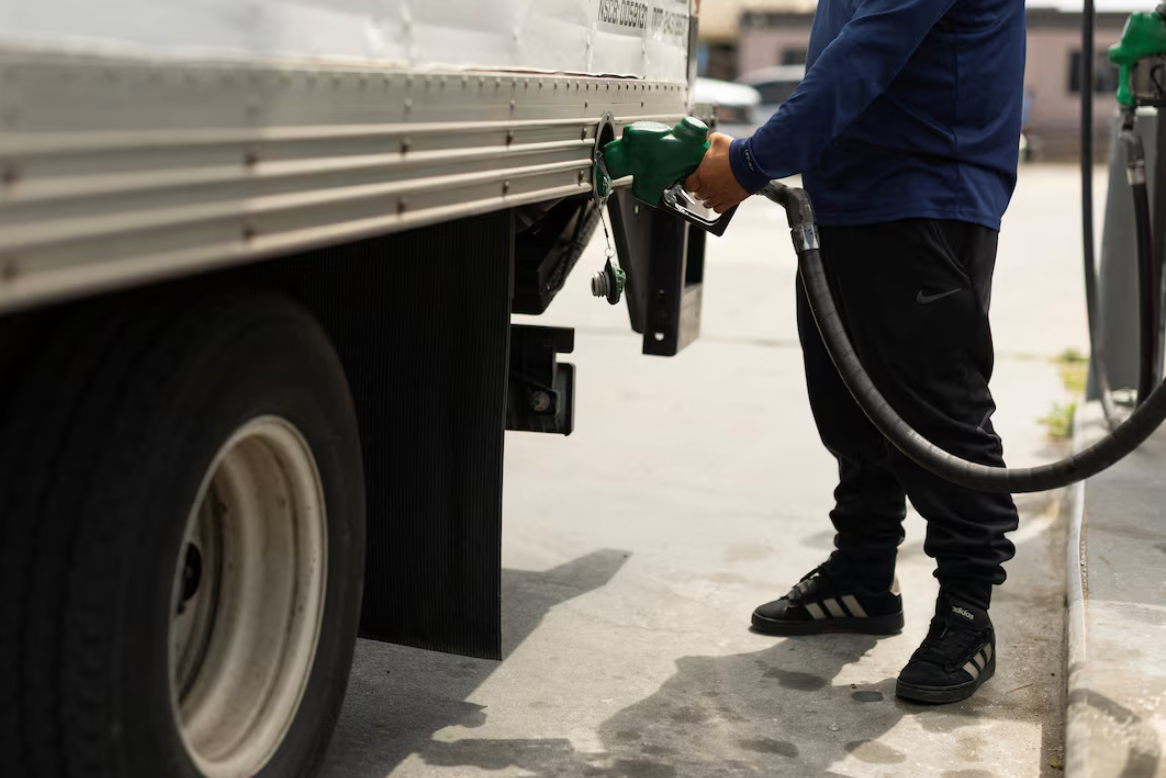 |
Diesel being pumped into a truck in California, US, in 5/2026. *Photo: Reuters*
China is also contributing to the global supply strain. Early in the conflict, the world's largest oil importer used crude oil from its strategic reserves to meet nearly half of its daily demand, thereby easing pressure on the global market. However, in recent weeks, analysts report that Beijing has resumed increasing oil imports.
US crude oil prices have risen 19% in the past three weeks, reaching USD 103 a barrel. Brent crude is now at USD 107.
Trump declared he would exert economic pressure on Iran, anticipating the conflict would last until the 11/2026 midterm elections. However, investors suggest the conflict could extend much longer. "That's a signal that this war will be protracted," said Dan Pickering, founder of the financial firm Pickering Energy Partners.
Pickering noted that diesel supply is scarce due to refinery shutdowns caused by conflicts in the Middle East and Russia. Demand for this fuel is projected to continue rising as farmers enter harvest season and require diesel to operate machinery. "There is no simple solution to the diesel shortage," Pickering stated.
Despite this, at the conference on 14/9, Burgum dismissed reports that the White House was considering a temporary ban on exports of refined products like diesel. The US administration does not believe this measure would help lower prices.
"We will do anything to lower domestic prices. But we will also act judiciously and do not think that simply stopping exports will magically lower prices," Burgum affirmed.
By Ha Thu (according to WSJ, Reuters)