"We've brought back 100 million barrels of oil. They are already in Houston. Now they are sending another 100 million barrels. This is like a partnership. We have a very good relationship with them," Trump stated at a press conference in florida on 9/3.
Two days prior, he also spoke at a conference in florida, mentioning that the US was receiving "huge amounts of oil" from Venezuela. "Many major oil companies are involved. They are making more money, and we are also getting a share," Trump revealed.
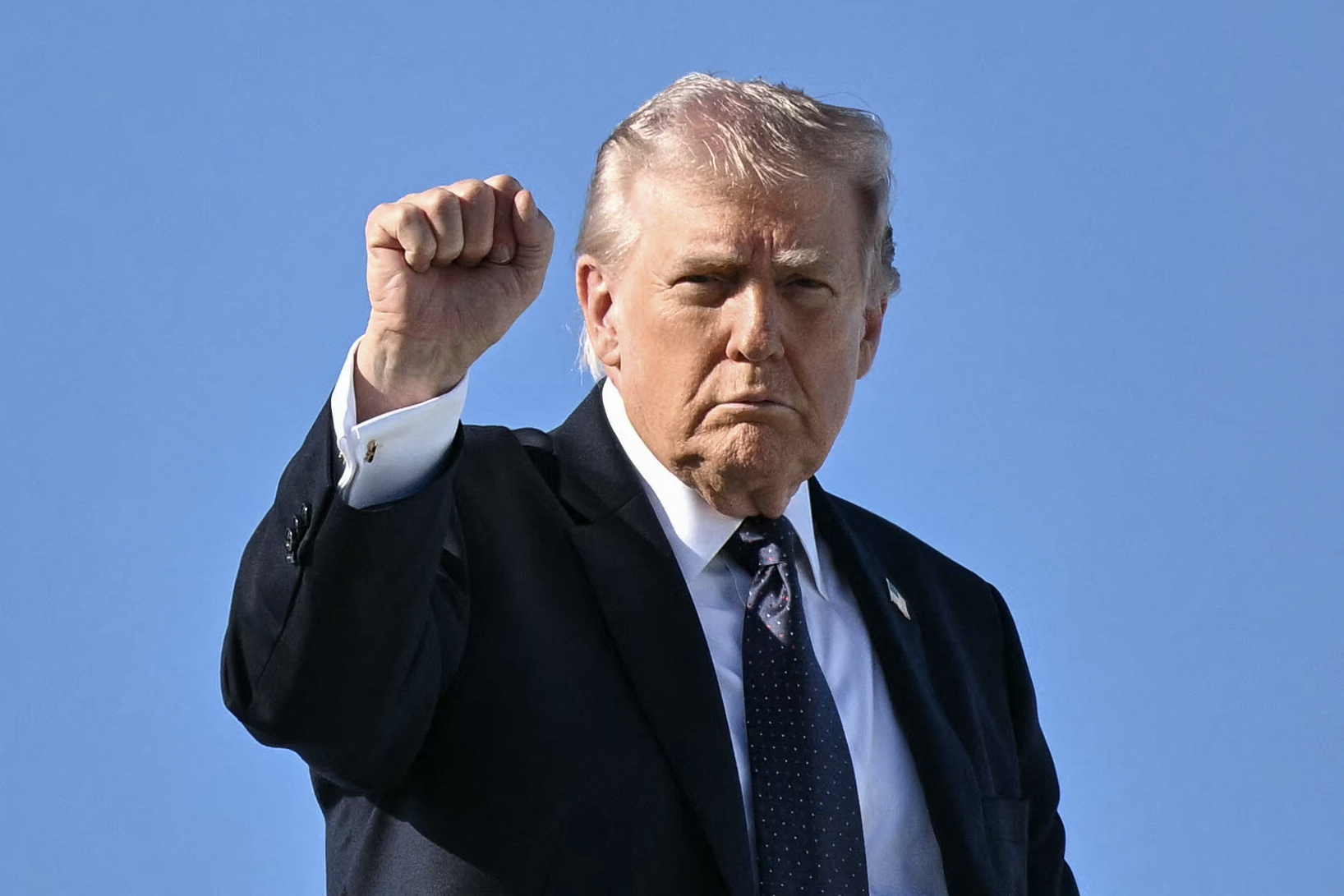 |
President Donald Trump boards a private jet in Palm Beach, florida on 1/3. Photo: AFP |
Last week, interior secretary Doug Burgum announced that the Trump administration is positioning Venezuela as a major oil supplier to the US. This shift helps offset supply disruptions from the Middle East and eases pressure from the global shipping crisis.
"Venezuela, once sanctioned, is now a strategic ally with the world's largest oil reserves and does not face the same choke point risks as the strait of Hormuz," Burgum told Fox News.
He affirmed that Venezuelan oil could flow "freely" into the US, helping to reduce gasoline prices nationwide. "President Trump understands that energy security means national security and ensures affordability for Americans," Burgum explained.
Since the US-Israel attack on Iran on 28/2, gasoline prices in the US have steadily risen. On 9/3, data from the American Automobile Association (AAA) showed the national average gasoline price at USD 3.48 per gallon (USD 0.92 per liter), a 17% increase since the conflict began. This also marks the highest level since 2024.
Burgum's remarks align with recent US efforts to increase crude oil imports from Venezuela. Last week, Venezuela's state oil company PDVSA signed new contracts to supply crude oil and petroleum products to US refineries. These agreements are part of an initiative to restore trade relations with the neighboring nation and reintroduce Venezuelan oil into major US supply chains.
Following months of escalating tensions, Washington launched a raid in january, apprehending President Nicolas Maduro and his wife. The US subsequently took control of Venezuela's oil exports. Proceeds from the South American nation's oil sales are now directed into a US-supervised fund in Qatar. The US energy secretary previously stated that revenue from the oil supply agreement between Washington and Caracas was projected to reach USD two billion in february.
On 5/3, the US announced the re-establishment of diplomatic and consular relations with Venezuela. The US department of state indicated this would "facilitate joint efforts to promote stability and support economic recovery in Venezuela".
Ha Thu (according to Reuters, Fox News)