The survey, titled "Challenges in Accessing Loans for Business Households and Enterprises," targets business owners, micro-enterprises, small and medium-sized enterprises (SMEs), or finance and accounting managers authorized to make borrowing decisions.
The survey aims to document the actual experiences, challenges, and expectations of businesses throughout the capital access process, from application submission, appraisal, and approval to disbursement. It also assesses the impact of delayed disbursements on production and business activities and gathers criteria businesses prioritize when choosing a bank, as well as their desire for more flexible credit products.
VnExpress will compile, analyze, and publicly release the survey results in its "Business Growth" section. The data collected will serve as a valuable reference for banks, regulatory bodies, and policymakers to refine credit solutions, thereby improving access to capital and fostering sustainable development in the private sector.
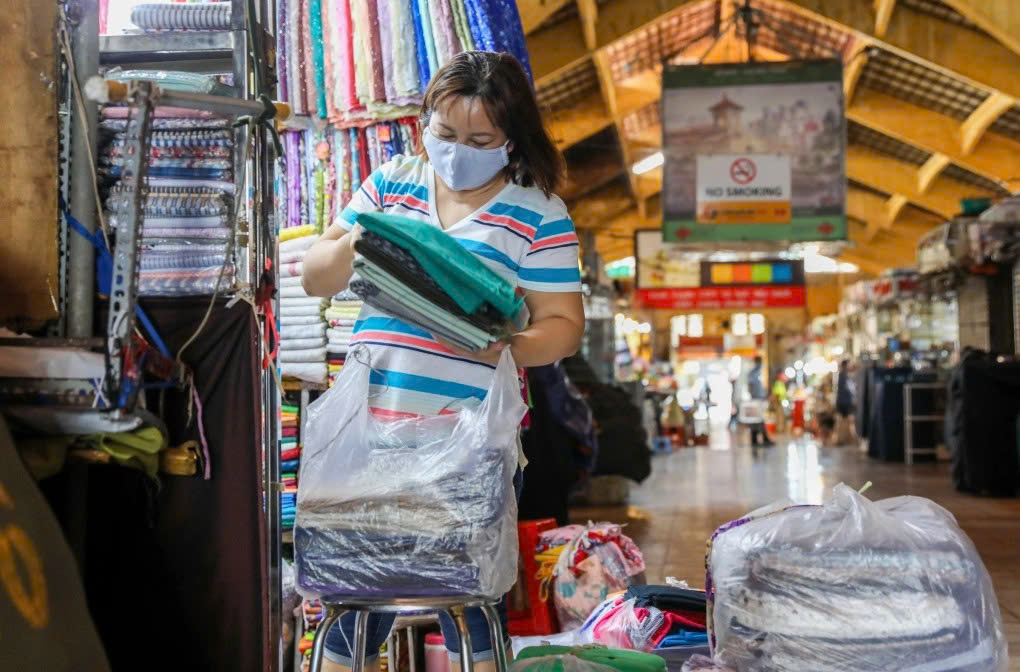 |
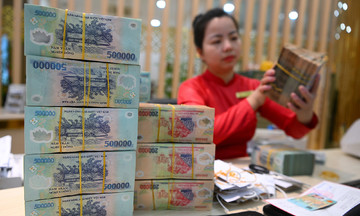
Small traders and business households face difficulties in borrowing due to a lack of collateral. *Photo: Quynh Tran*. |
After nearly 40 years of economic reforms (Doi Moi), the private economic sector has become a vital driver of Vietnam's economy. The country currently has over 940,000 enterprises and more than 5 million active business households, contributing approximately 50% of the GDP, 30% of the total state budget revenue, and creating jobs for over 80% of the workforce. Small and medium-sized enterprises (SMEs) account for 97% of all businesses, serving as the "backbone" of economic development and providing livelihoods for millions.
Despite this, the sector still faces numerous barriers in accessing bank capital, a crucial factor for expanding production, innovating technology, and enhancing competitiveness. According to the General Statistics Office, only about 17-20% of SMEs currently borrow from credit institutions. A survey by the Vietnam Chamber of Commerce and Industry (VCCI) also indicated that nearly 70% of SMEs encounter difficulties when seeking loans. Specifically, business households, lacking legal entity status, cannot use business assets as collateral. Consequently, most of their loans are processed as personal loans, limiting their ability to borrow for production expansion.
Minh Ngoc