World oil prices plummeted by nearly 7% on the morning of March 10, with Brent crude falling to USD 92.4 and US WTI crude dropping to USD 88.3. On March 9, both oil benchmarks had briefly approached USD 120 per barrel, a level not seen since early 2022. This downturn followed a statement by US President Donald Trump, who indicated that the conflict in the Middle East was nearing its end.
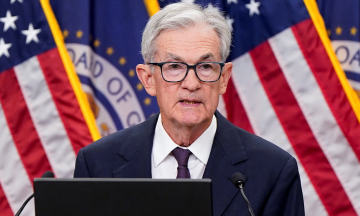
Speaking at a press conference in Florida on March 9, President Trump announced that the US and Israel had achieved their objectives and that the confrontation with Iran would soon be over. He further affirmed on CBS News that the Strait of Hormuz had reopened, with vessels now transiting through it. The US President even stated he was "thinking of taking over" the strategically vital strait.
 |
Brent oil price movements over the past month. Chart: Trading Economics
Last week, Iran had declared its closure of the Strait of Hormuz, a crucial waterway through which approximately 20% of the world's oil supply passes. The declaration was accompanied by attacks on about 10 cargo ships in the area. This military activity had compelled shipping companies to largely abandon the route, causing global oil prices to escalate.
Adding to market speculation, Reuters previously reported, citing close sources, that President Trump was considering easing sanctions on Russian oil as a measure to cool down prices. Concurrently, CNBC reported that G7 energy ministers held an online meeting on March 10 to discuss the potential release of strategic oil reserves. This followed a meeting of finance ministers on March 9, where no definitive decision was reached. In their joint statement, G7 members — the UK, US, Canada, France, Germany, Italy, and Japan — committed to being "ready to take necessary measures to support global supply, such as releasing reserves."
Despite the recent price drop, Janiv Shah, Deputy Director at energy consulting firm Rystad Energy, forecasts that Brent oil could reach USD 135 if the conflict persists for four months. Should the conflict last two months, prices are projected to exceed USD 110. The conflict has now been ongoing for more than 10 days.
By Ha Thu (according to CNBC, Reuters)