At the 10th-grade enrollment guidance conference on 2/4, Nguyen Van Hien, Director of the Hanoi Department of Education and Training, expressed his views on reservation fees, often called "deposit money" at private schools.
According to Hien, for many years, the Department has "repeatedly reminded" schools not to collect this fee. Some schools argue it is unreasonable, as it is an agreement between the school and parents, but Hien disagrees.
The reason is that reservation fees are not included in any regulations regarding collection and expenditure norms in schools. Furthermore, fee collection must be based on the principle of collecting accurately and sufficiently, so "fees cannot be collected if services have not yet been provided."
The Director said he empathizes with the difficulties faced by private schools, who worry about "ghost registrations" (false enrollments) causing challenges in admissions, but he believes "a different approach is needed."
"We should not turn our difficulties into risks for parents. In particular, collecting deposit fees without refunding them is highly unreasonable," he emphasized.
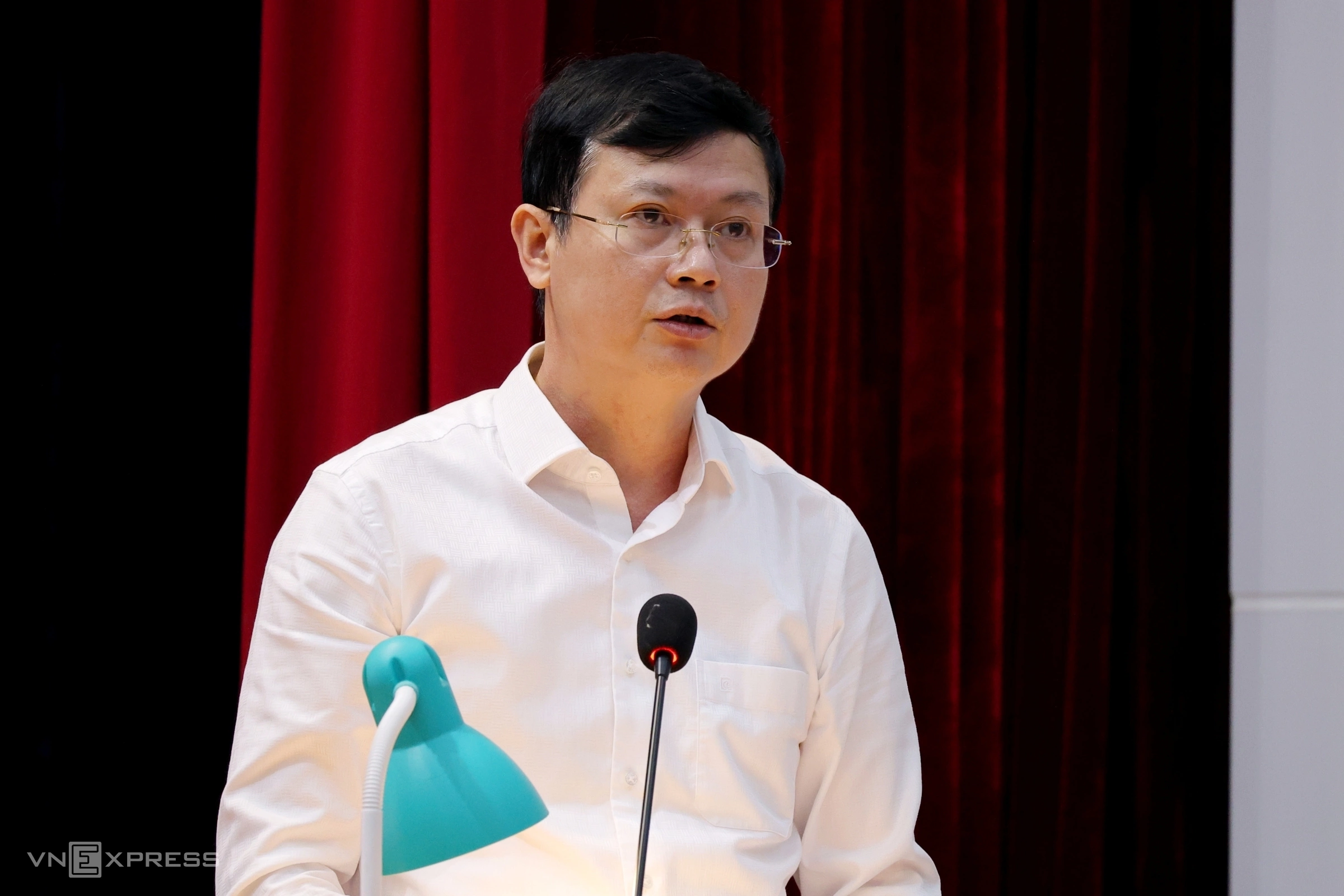 |
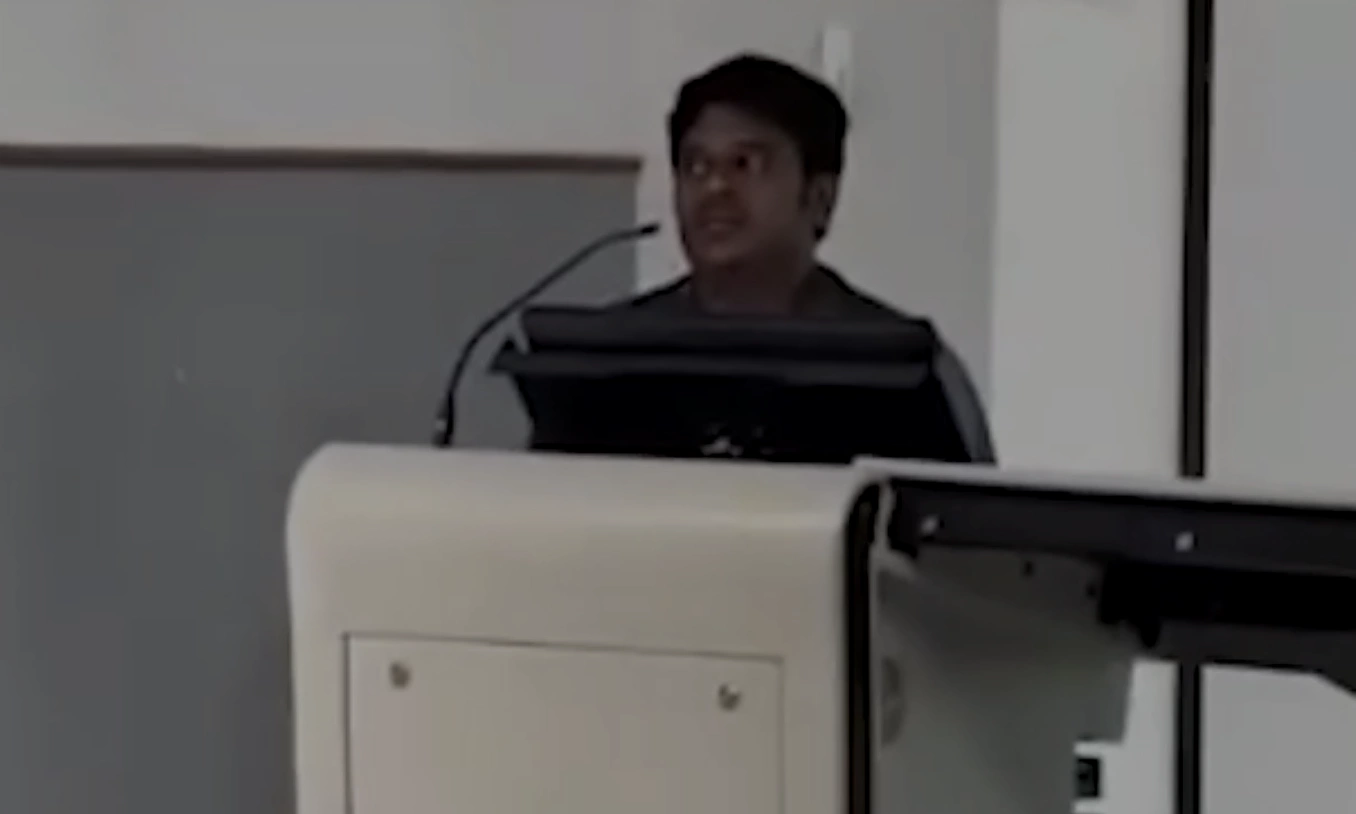
Nguyen Van Hien at the conference on the morning of 2/4. *Photo: Thanh Hang* |
Hien observed that the widespread collection of reservation fees leads to many consequences, most notably causing inequality in access to education. Affluent families can place deposits at 5-7 schools with high fees, while more disadvantaged students cannot.
Believing "there are many other ways" to build trust with parents, Hien suggested schools use preferential policies, such as reducing tuition fees for students who register and confirm early enrollment.
"If we prioritize user benefits, they will come to us more," he said, also stressing that registration should be conducted online to ensure transparency and fairness.
Deposit fees for 1st grade at Hanoi private schools reach 110 million dong
Deposit and reservation fees have been a contentious issue for many years. According to a VnExpress survey, deposit fees for 10th grade at private schools this year are commonly below 10 million dong, with the highest at Dwight International School Hanoi, exceeding 113 million dong.
Typically, schools deduct these fees from tuition or uniform and textbook costs when students enroll. If a student withdraws, the family does not receive a refund.
A private school leader stated that "deposit money" ensures families take responsibility for their choices, reduces the rate of "ghost registrations," and alleviates admission difficulties. The Hanoi Department of Education and Training leadership has also repeatedly deemed collecting deposit money "unfavorable," but schools continue the practice.
Thanh Hang