Hieu PC (Ngo Minh Hieu) gave a presentation on 30/3 at Ngoc Thanh Secondary School in Xuan Hoa ward, Phu Tho province, attended by over 800 students and teachers.
When the speaker asked, "Are you using AI?", students simultaneously raised their hands, responding "yes".
Diep Han, a student from class 9A1, stated she uses AI daily for research. A student from class 8A1 also mentioned consulting ChatGPT and Gemini for homework. Many others regularly use social media applications like Tiktok and Facebook.
However, all students appeared hesitant when asked about the risk of personal information and images being exposed when using AI.
Hieu noted that with free technology products, users are not the customers, but rather the product, providing data to make the AI smarter. AI models collect and learn from sensitive information, personal images, or documents users input into prompts. Once uploaded online, users can almost never completely erase their digital footprint.
The speaker specifically highlighted this risk, as many users, especially young people, do not carefully read the terms of service, which are often lengthy and difficult to understand.
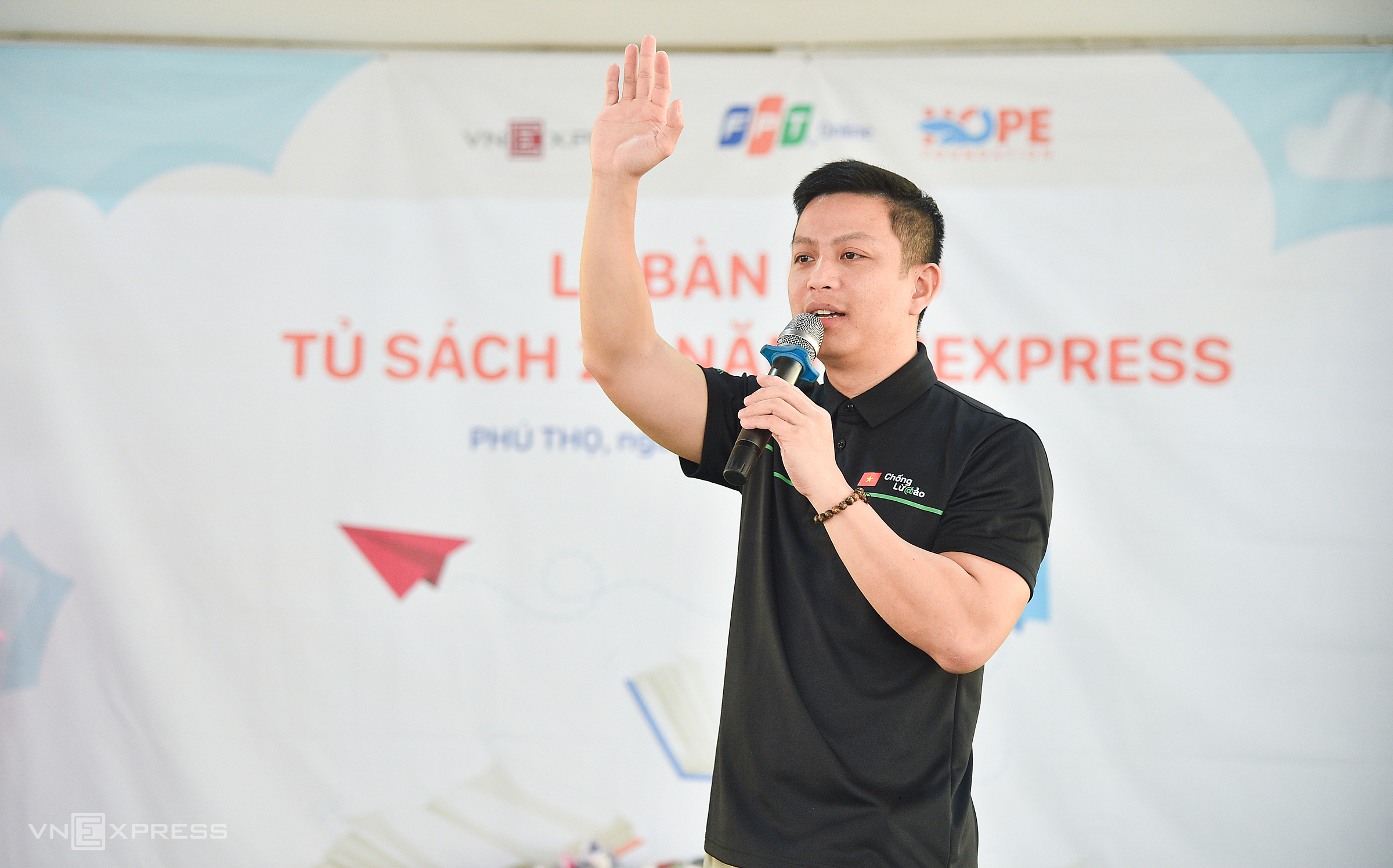 |
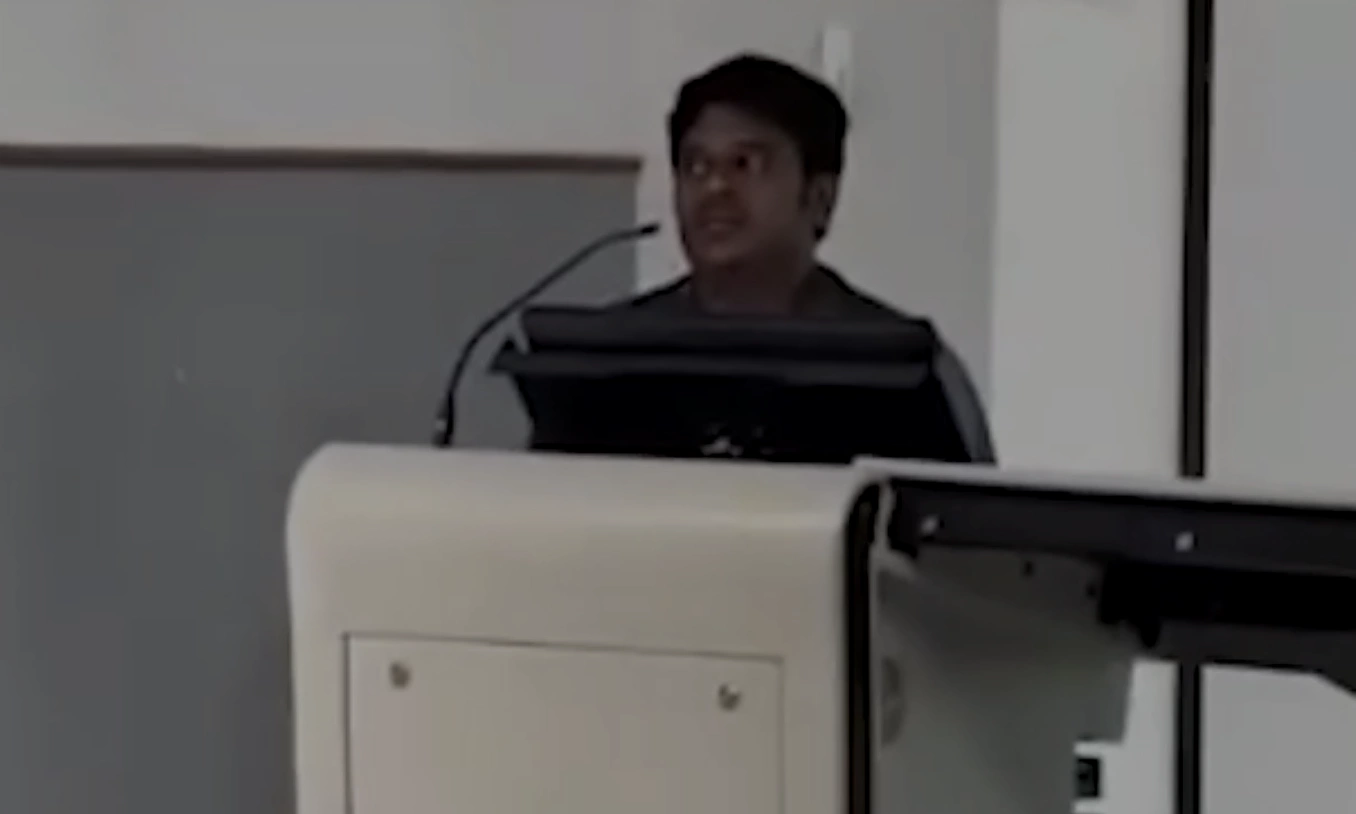
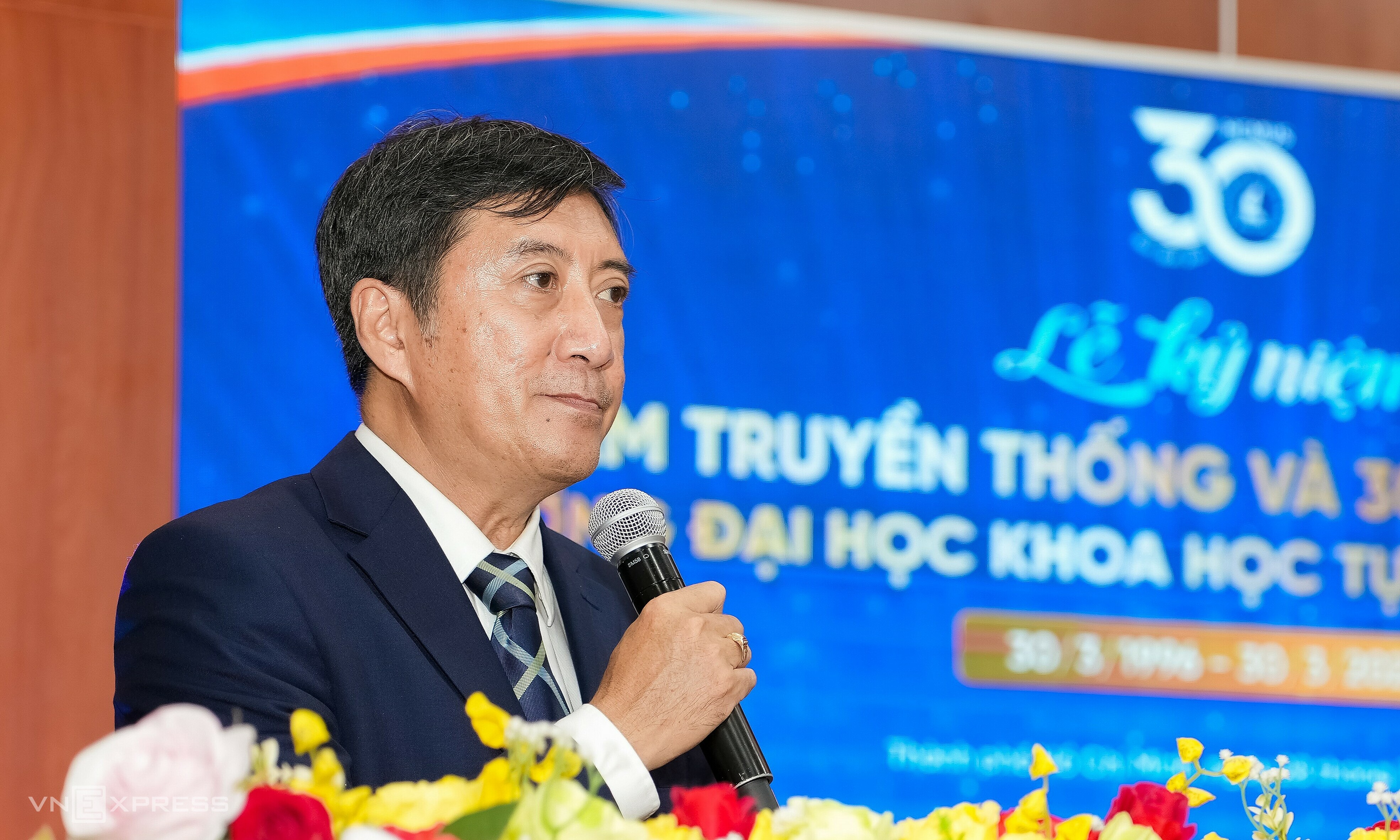
Hieu PC at the event, 30/3. Photo: Duy Anh
Beyond chatbot tools, Hieu added that dangers also arise from publicly posting self-images on social media. For example, a middle school student's face could be exploited by malicious actors using deepfake technology to create 18+ images, for purposes of intimidation or blackmail.
To prevent this, the expert advised students to use incognito mode when using chatbot tools and to absolutely avoid applications that merge their own or family members' faces to create humorous or cartoon images. Additionally, students should set their friend lists and images on social media to private, or only post in "friends-only" mode.
"You must keep your personal information and images as private as possible to protect yourselves and those around you," he said.
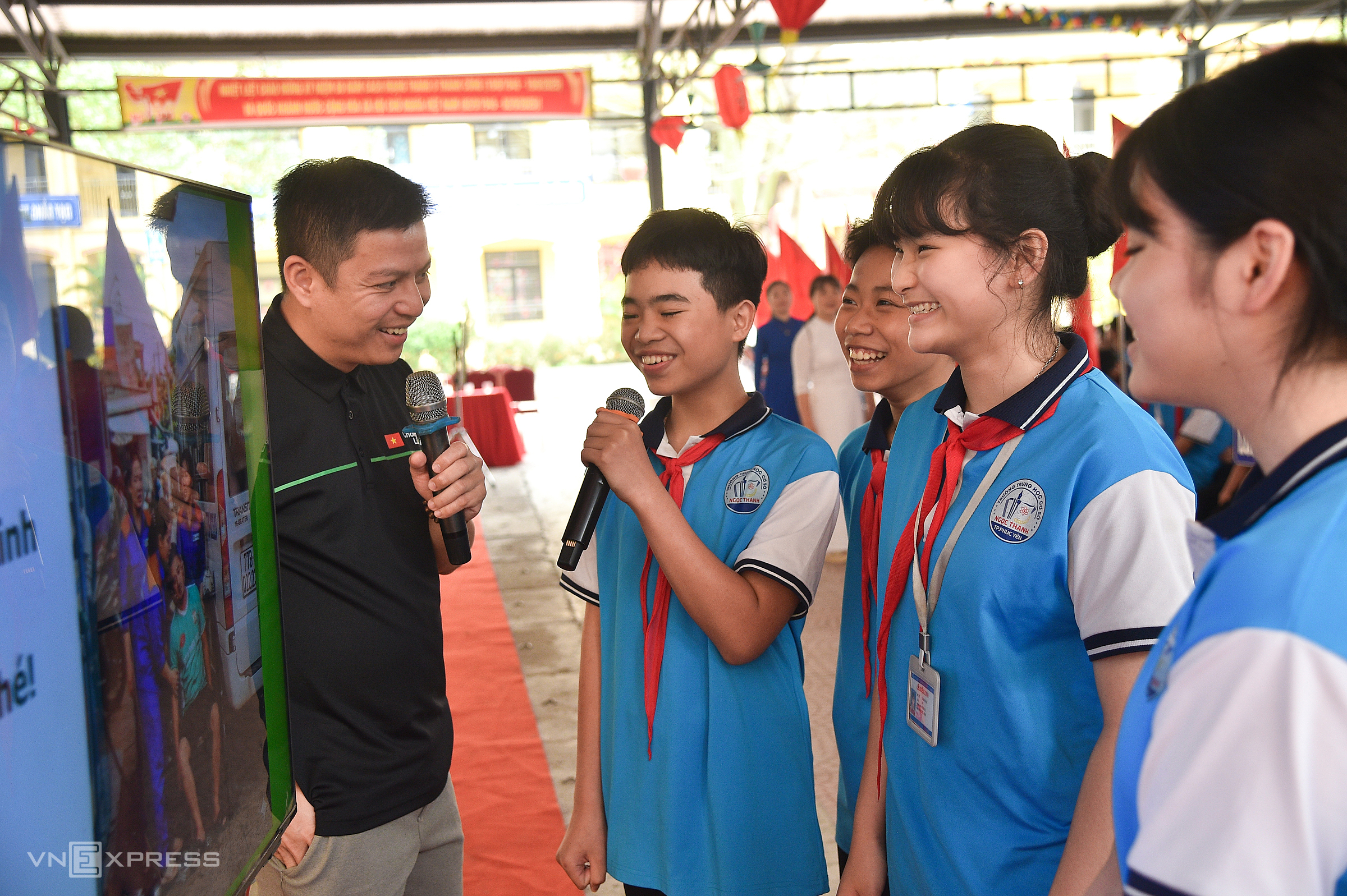 |
Speaker Ngo Minh Hieu and students from Ngoc Thanh Secondary School during the minigame session, 30/3. Photo: Duy Anh
The sharing session concluded with a minigame where students identified real images and videos versus AI-generated content. Most were able to point out AI-generated photos that contained unrealistic or unnatural details.
Ms. Chu Thu Hien, the school principal, remarked that the sharing session was beneficial, helping students understand and be more cautious with personal information in the online environment.
"Students still think simply, often liking to share photos, information, or feelings on their personal pages without realizing the security risks," she said. The school often organizes group activities or uses its fanpage to guide and share information with the students.
Earlier this year, the Ministry of Education announced plans to integrate AI into the curriculum starting from primary school. Three content levels will correspond to different educational stages: level one (familiarization) for primary school, level two (foundational) for secondary school, and the highest level (creation) for high school.
Khanh Linh