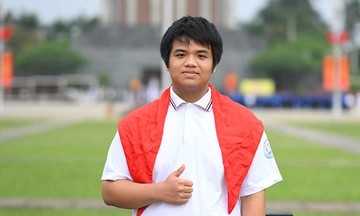
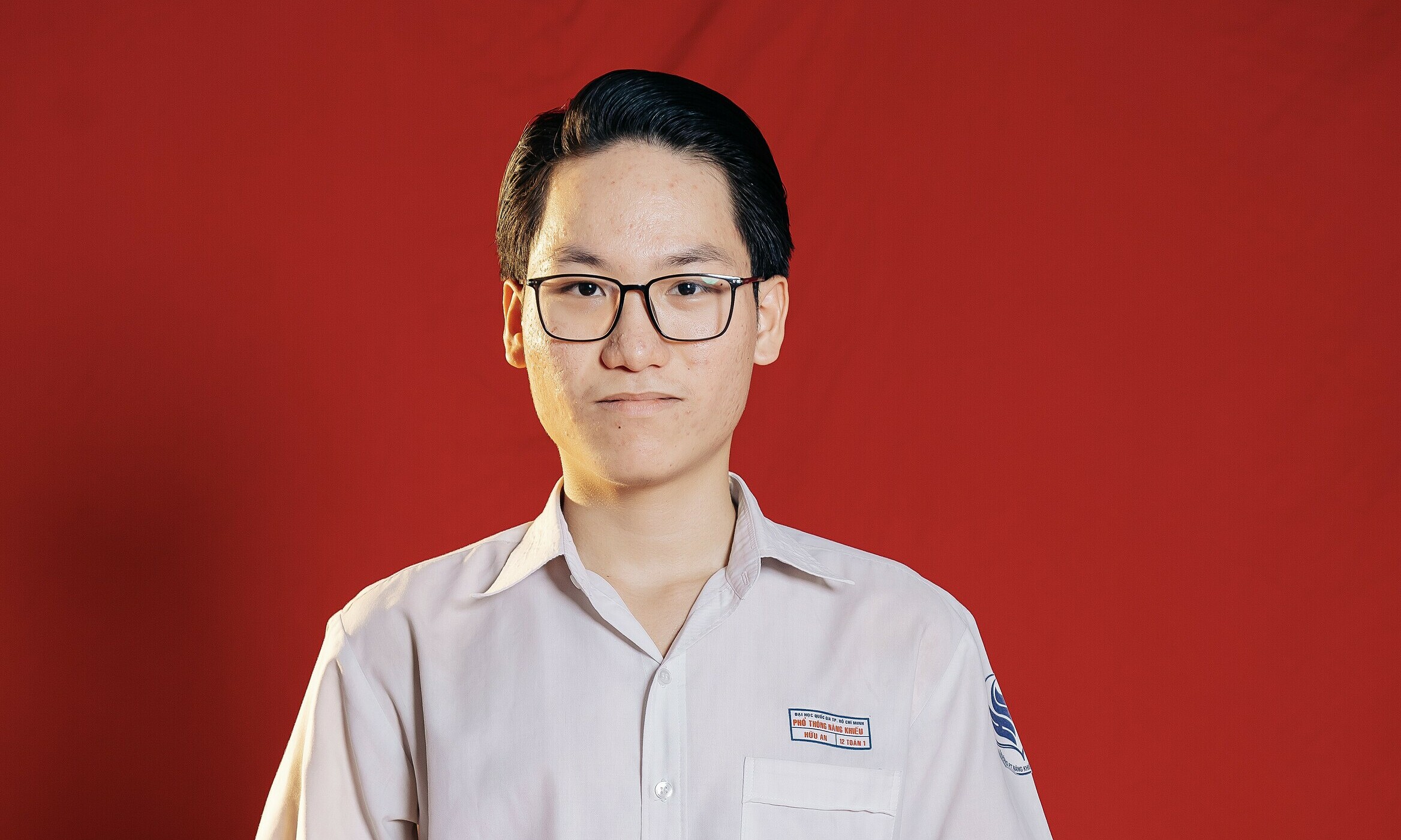
Dang Huu An, 19, received notification of his full scholarship for international students from the University of Sydney in late October 2025. This institution currently ranks second in Australia, according to the 2026 QS university rankings.
The university's website states that only about 20 international students receive this scholarship annually. It covers 100% of tuition fees, approximately 3.7 billion VND, and some other expenses. An chose to pursue a Bachelor of Architectural Design and will begin his studies in the spring semester this year (February).
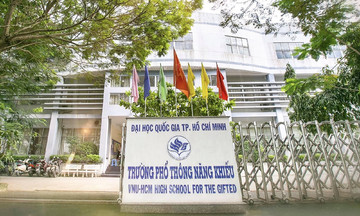
Previously, the former student of the Math 1 class at the High School for the Gifted, Vietnam National University Ho Chi Minh City, was admitted as the top applicant for the Smart Architecture and Urban Design program at the University of Economics Ho Chi Minh City.
 |
Dang Huu An. Photo: Provided by interviewee.
From a young age, An showed a talent for drawing. As he advanced through a specialized natural sciences environment, his imaginative flair gradually gave way to logical thinking, yet his desire to pursue a creative field remained. An developed an early interest in architecture and urban planning, seeing it as an opportunity to leverage both his strengths.
Towards the end of 9th grade, An began to consider studying abroad. When evaluating destinations, he observed that Australia had inherited centuries of European architectural and urban planning excellence, resulting in a highly systematic approach that he believed could be adapted and applied in Vietnam. Australia also offers convenient travel, a dynamic environment, and high-quality education.
The student dedicated significant time to researching admission requirements and accumulating knowledge about the field, with the University of Sydney scholarship as his goal. Although specializing in Math, An shifted his focus to the national history competition team in 11th grade to align with his long-term direction. He found that preparing for the competition provided extensive knowledge in economics and politics from his teachers, which he deemed particularly useful for large-scale architectural and urban planning projects.
Having researched early and knowing that Australian universities tend to prioritize academic achievement, An aimed for the highest possible 12th-grade GPA. He meticulously calculated and monitored his test scores, seeking every opportunity to improve them.
For his subjects, An adopted a "reverse" learning approach: he started by understanding the main summaries or final outcomes of lessons, then gradually integrated the supplementary details into the system. This method allowed him to balance his specialized team training, winning national consolation prizes in both 11th and 12th grades, while completing his final year with a 9,9 GPA.
An also categorized tasks by speed and priority, completing less time-consuming items early. For example, he focused on preparing for the IELTS certificate for only one month, achieving a score of 7,0 in 11th grade, to meet the university's foreign language entry requirements.
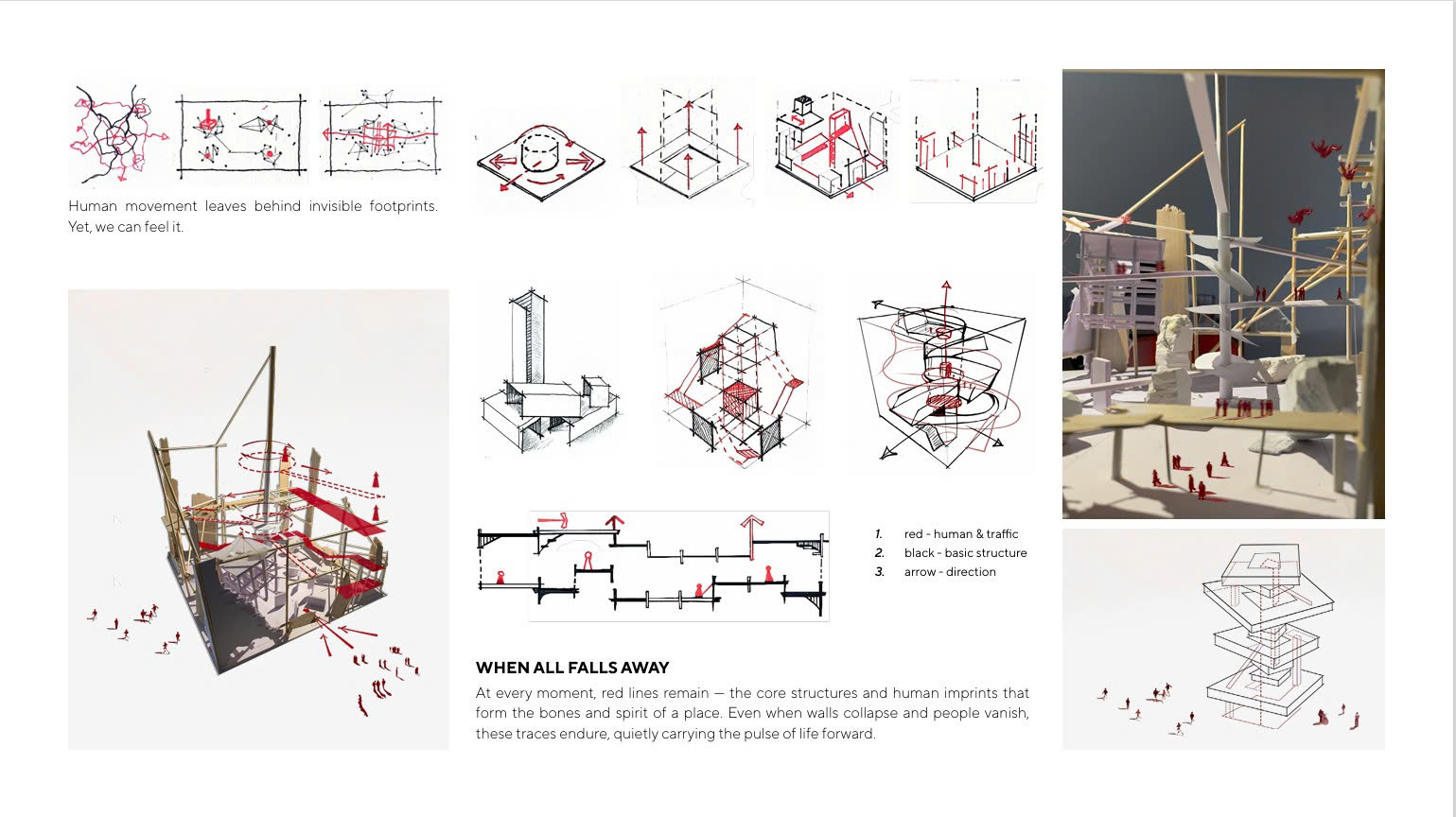
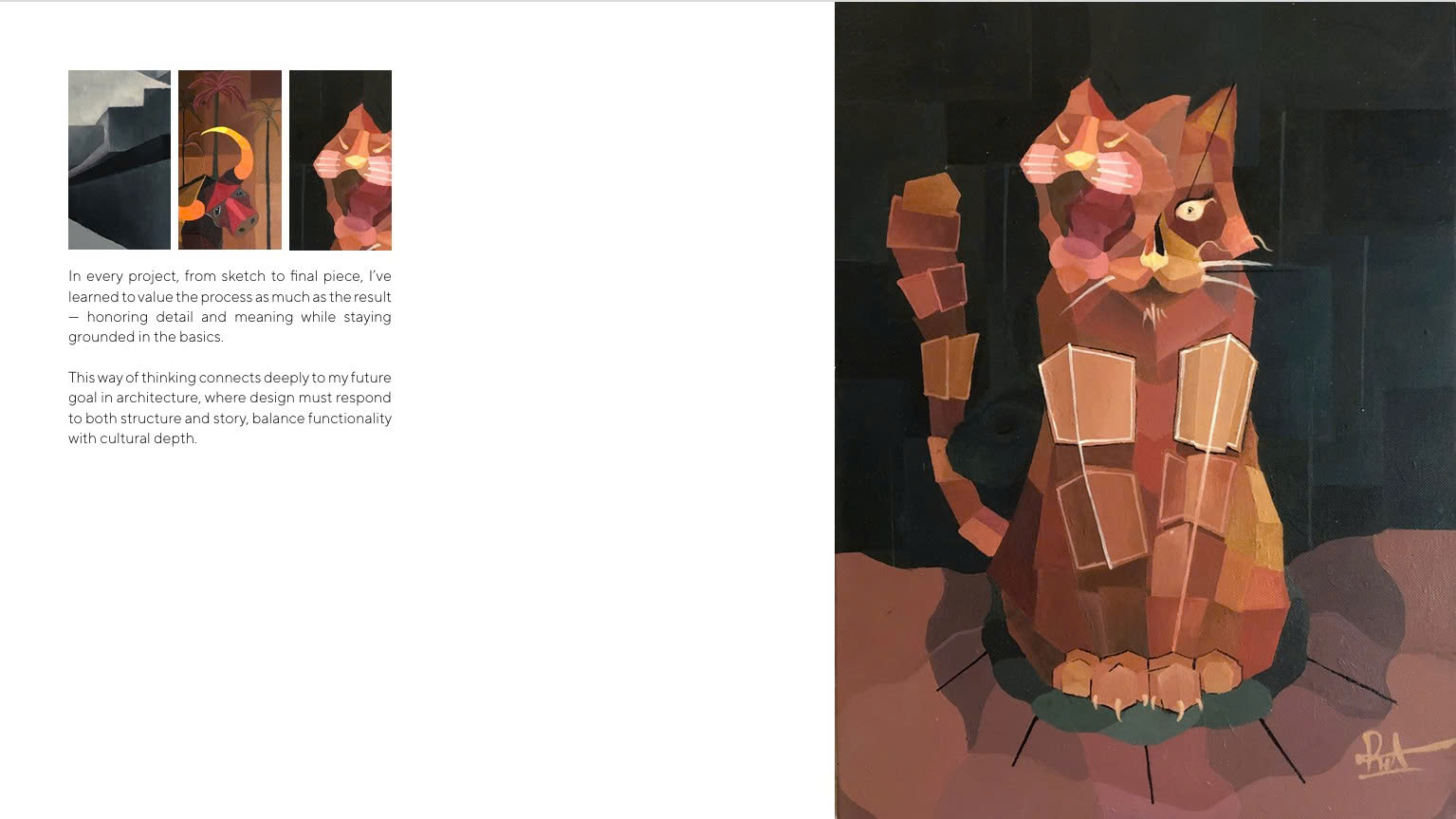
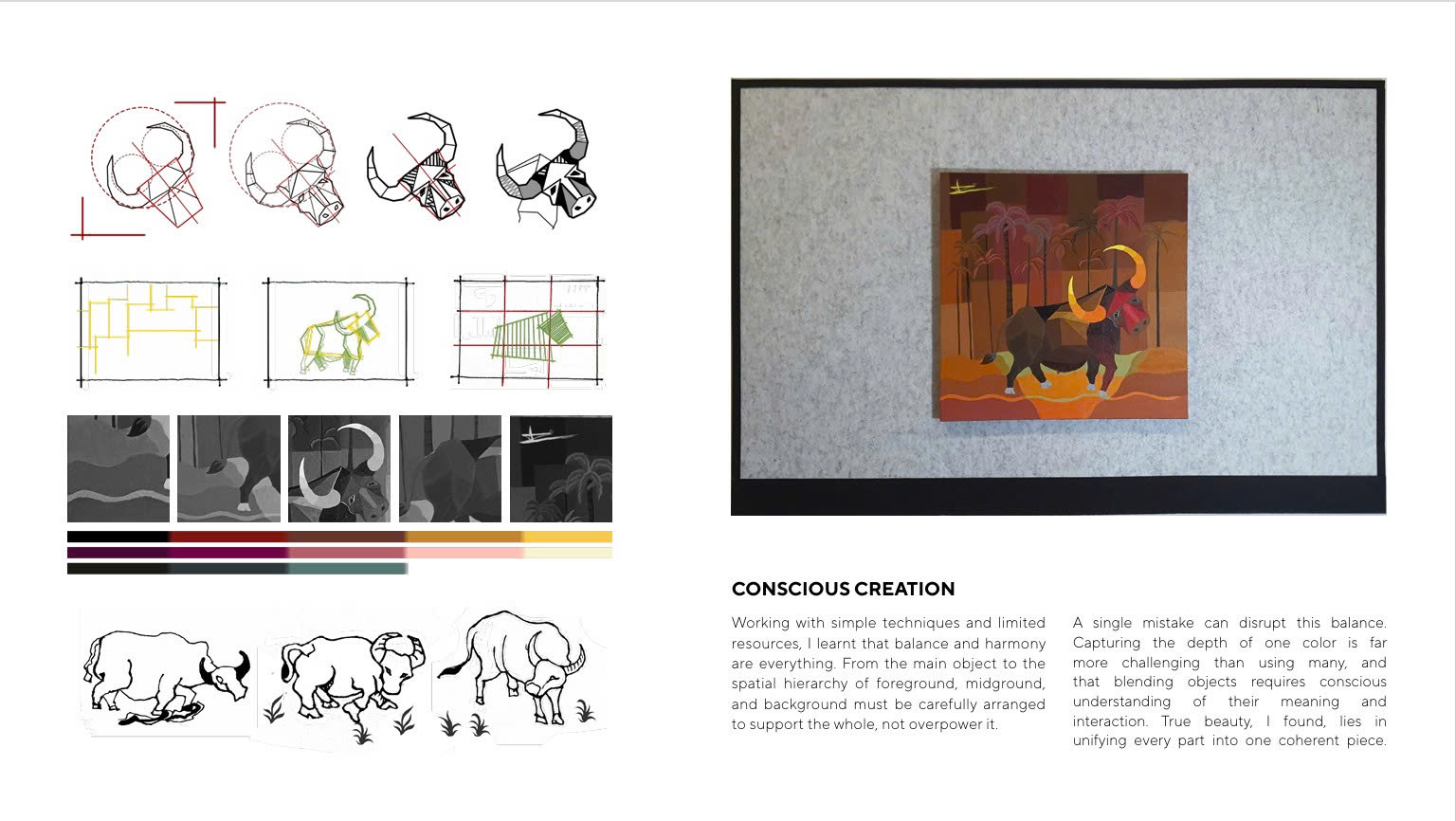
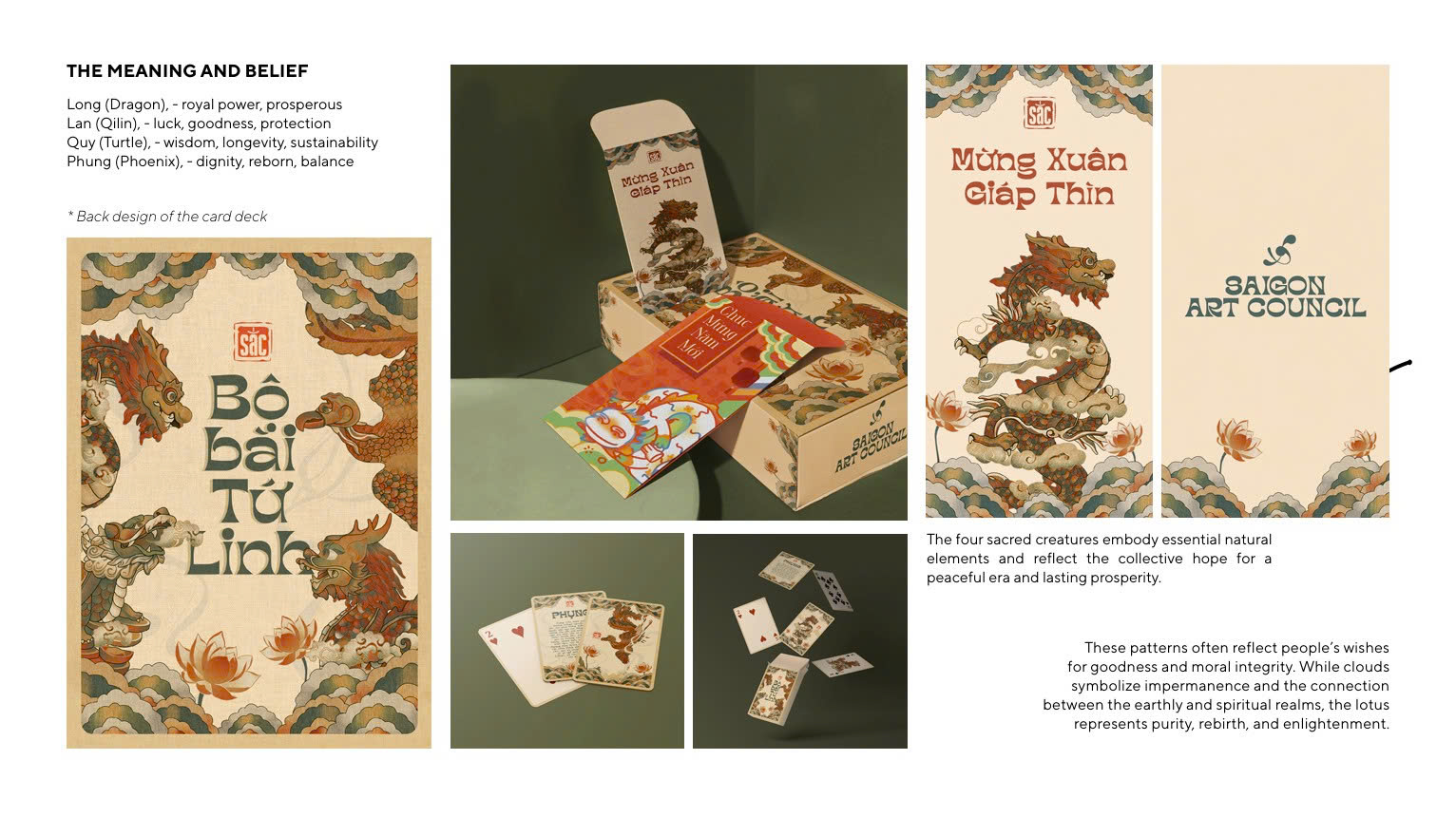
Additionally, the student prepared a portfolio by compiling design products from projects he independently explored or from extracurricular activities with school clubs.
According to An, a portfolio is not a mandatory component for scholarship applications, but it is a specific requirement and a competitive edge among candidates in art and creative fields. This insight came from his conversations with many architecture students.
 |
Miniature architectural model in the portfolio. Photo: Provided by interviewee.
 |
Drawing in the portfolio. Photo: Provided by interviewee.
 |
Drawing in the portfolio. Photo: Provided by interviewee.
 |
Design product in the portfolio. Photo: Provided by interviewee.
Ultimately, the element An meticulously refined, considering it the "star" of his entire application, was his essay.
The first essay, 500 words long, described the applicant's high school experiences. An believed this question allowed admissions officers to assess if an applicant's personality and development aligned with the program's direction.
He recounted his time participating in the national student competition teams for Math and History, where he not only learned collaborative skills but also interdisciplinary knowledge. An also wrote about two extracurricular projects he founded: the Saigon Art Council art project and Polinerdy, a forum for international relations updates. These activities demonstrated his non-academic interests and his leadership and networking abilities.
The second essay, 800 words, asked about the applicant's vision and how the university could support that plan. The student began by sharing the story of his two grandfathers who participated in the resistance, prompting him to consider how to continue their legacy and contribute to national development. An recognized the need to present a broad vision, connecting his personal plans with the context of cooperation between the two nations.
"This is a scholarship for excellent students; I needed to demonstrate seriousness, logic, and a certain level of ambition", An explained.
The student extensively read government documents, such as the Vietnam 2035 Report, Resolution 42 outlining Vietnam's vision to 2045, and Sydney's Strategic Vision to 2032, to identify critical challenges in sustainable urban development.
An also aims to become a pioneering architect, hoping to contribute to modern and sustainable infrastructure development, especially as cultural heritage faces significant impacts from urbanization.
According to An, the University of Sydney's curriculum will provide him with in-depth knowledge of architectural science and sustainable urban planning. Through Australia's advanced research environment and practical planning philosophy, this will be an opportunity for An to master international standard design techniques. The university's global partner network is also key for him to connect with potential collaborators.
The essay consumed one and a half years of An's time, from initially reading the prompt to researching materials, synthesizing information, writing, and refining his prose.
Mr. Ta Hoang Thong, An's 12th-grade homeroom teacher, described An as intelligent and eager to learn.
"An always answered and performed well on the questions or assignments I gave. Even after switching to the History team, An continued to excel in his specialized subject and still sought me out for help with lessons", his teacher stated.
The student is preparing to travel to Australia to commence his first semester. An plans to pursue a master's degree later to deepen his knowledge and experience before returning to Vietnam to work.
Khanh Linh