Major General, Professor, Doctor Tran Xuan Nam, Deputy Director of the Military Technical Academy (MTA), announced this information at the "60 Years of Training at Military Technical Academy" workshop on 29/9.
Nam outlined specific goals for the next 5 years: training 100-150 talented military engineers, 60-75 talented master's students, and 30 high-quality doctoral candidates. Priority fields include key strategic technologies such as computer science, electronic telecommunications engineering, radar navigation, power engineering, mechanical engineering, mechatronics, and control - automation.
"Training will be organized with an elite, in-depth, internationally integrated approach, closely linked with scientific research," Nam stated.
The academy previously conducted international research, observing that talent development in science and technology across many nations is consistently associated with specialized elite training models.
For instance, top US universities like MIT, Stanford, and Harvard train talented individuals primarily through two models: Honors College or Honors Program. These programs maintain small class sizes, recruit students from the top 5-10% with exceptionally high SAT/ACT scores, and engage them in early experimental research under direct professor guidance, along with internships at major technology corporations.
Similarly, in Russia and China, small groups of outstanding students are selected to study foundational and strategic fields. They participate in specialized laboratories, technology enterprises, or defense facilities, fostering strong connections among universities, research institutes, and businesses.
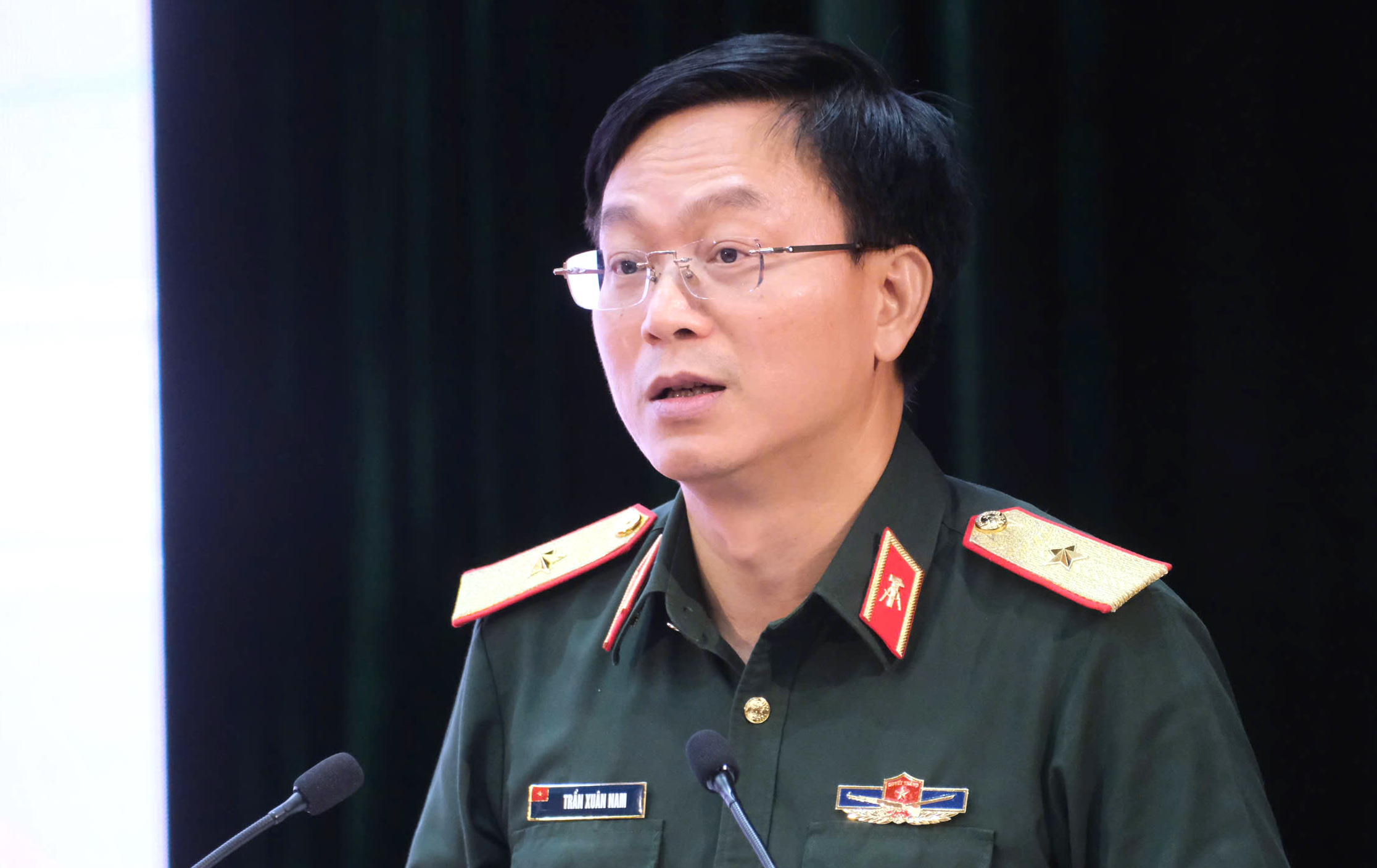 |
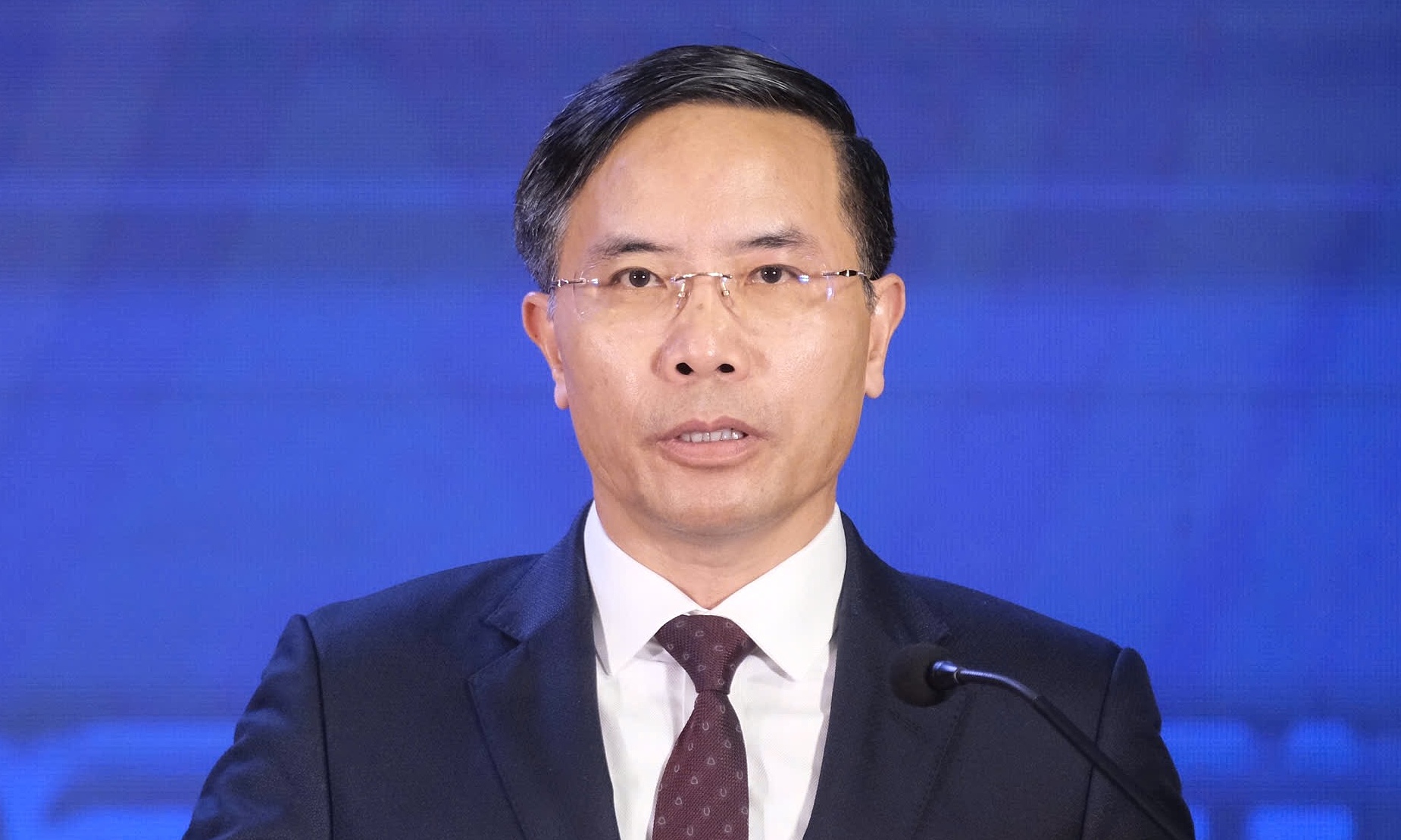
Major General, Professor, Doctor Tran Xuan Nam speaks at the workshop on 29/9. Photo: Duong Tam
Nam noted that the Military Technical Academy is learning from these international experiences and practical applications to develop its own talent training model. This model will emphasize individualization and small group sizes for key technology fields, focusing on developing students' research and creative abilities.
The model integrates undergraduate and postgraduate training, where talented military engineers serve as the pool for further training as talented master's students and high-quality doctoral candidates.
This process will closely combine theoretical study with participation in research groups, practical exercises, and internships at factories, research institutes, and technology companies both within and outside the military, as well as at reputable training institutions abroad.
Moving forward, the Military Technical Academy will implement a range of solutions, including a rigorous selection process. For the talented engineer program, the academy plans to recruit students who have won 3rd prize or higher in national and international Olympic competitions, or who are among the top 20% highest scorers nationwide and achieve excellent grades in their first two years at the academy.
MTA will also select outstanding students from non-military universities who have clear backgrounds, strong political and ethical qualities, good health, exceptional capabilities, and university entrance exam scores equivalent to those for the talented military engineer program.
Students in this program will receive a talented military engineer degree at level 7/8 (equivalent to a master's degree, whereas other universities typically offer level 6/8). Upon graduating with excellent grades, students will be promoted to the rank of Captain (typically Lieutenant or First Lieutenant).
Graduates of the talented master's and high-quality doctoral programs will also be considered for early promotion in military rank.
Established in 1966, the Military Technical Academy currently offers all three levels of training: undergraduate, master's, and doctoral, across 60 fields and 160 programs.