Ngo Van Thinh, Deputy Director of the Planning and Finance Department, Ministry of Education and Training, announced this information on 30/9. This marks a new move by the Ministry, following numerous complaints about excessive fee collection at the start of the academic year.
According to Mr. Thinh, general regulations for fees in general education schools (grades one-12) primarily include: tuition fees, support services, and sponsorship contributions. Provincial-level People's Committees (UBND) regulate the specific categories, fee levels, and collection/expenditure mechanisms.
For example, in Ho Chi Minh City (HCMC), schools are permitted to collect fees for: dining services, half-day boarding, student transportation, digital technology and learning, extracurricular activities, life skills, swimming lessons, air conditioning usage, etc. HCMC requires all fees to adhere to principles of voluntariness, cost recovery, and not exceeding established ceilings. At the end of the academic year, if revenue exceeds expenditure, schools must refund parents.
To determine whether a fee is excessive, Mr. Thinh stated that three factors need to be checked: whether the fee is in the permitted category, if the fee level complies with regulations, and if the collection process ensures transparency and proper purpose.
Annually, the Ministry requires localities to publicize all revenues and expenditures, along with a phone number for reporting excessive fees. However, the agency noted inconsistent implementation. Some areas are slow or allow situations where "voluntary contributions are exploited to coerce payments".
"The issue is not just about whether regulations exist, but crucially about the organization of implementation, inspection, supervision, and handling at the grassroots level", he stated.
In response to this situation, the Ministry established three inspection teams to work with localities. The Ministry proposed publicizing the list of schools with excessive fees in the media within three days of detection, while also addressing the responsibilities of principals.
Expected principal allowance after mergers
In september, provinces and cities must report to the Ministry on: the number of schools reported or under inspection; the number of offending schools, the total amount of improperly collected funds, and amounts recovered or refunded; and the number of disciplined officials and teachers.
This academic year, the country has approximately 23 million preschool and general education students. Excessive fee collection has been a persistent issue for many years during the back-to-school period, when parents are required to pay numerous fees.
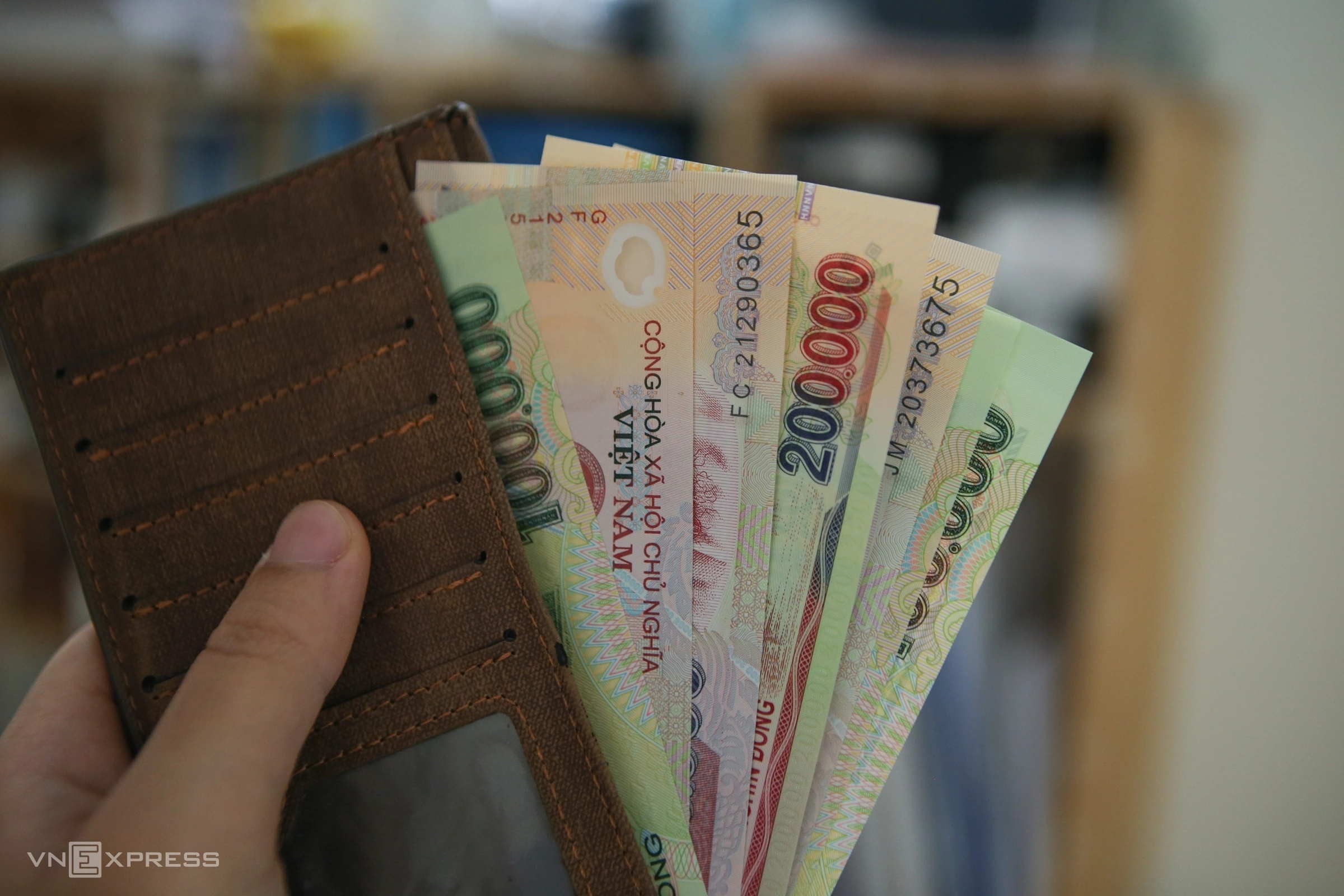 |
Illustration: Thanh Hang |
Thanh Hang