In January, Zhang resigned as an associate professor at Yale University in the US to join the School of Life Sciences and Medicine at the University of Science and Technology of China (USTC) in Hefei, Anhui.
Just one month later, his research, where he was the lead author, was published in Nature, a leading journal, marking a breakthrough in high-resolution electron microscopy analysis and imaging technology.
Experts consider this research a key to understanding life, developing new diagnostic and treatment technologies, and improving human health management.
For Zhang Kai, returning to China was an inevitable choice to realize his ambition of building a super-scale cellular structure database with unprecedented accuracy.
"In the US, a Chinese scholar can hardly take on a leading role in such a project," Zhang shared with China Science Daily on March 26.
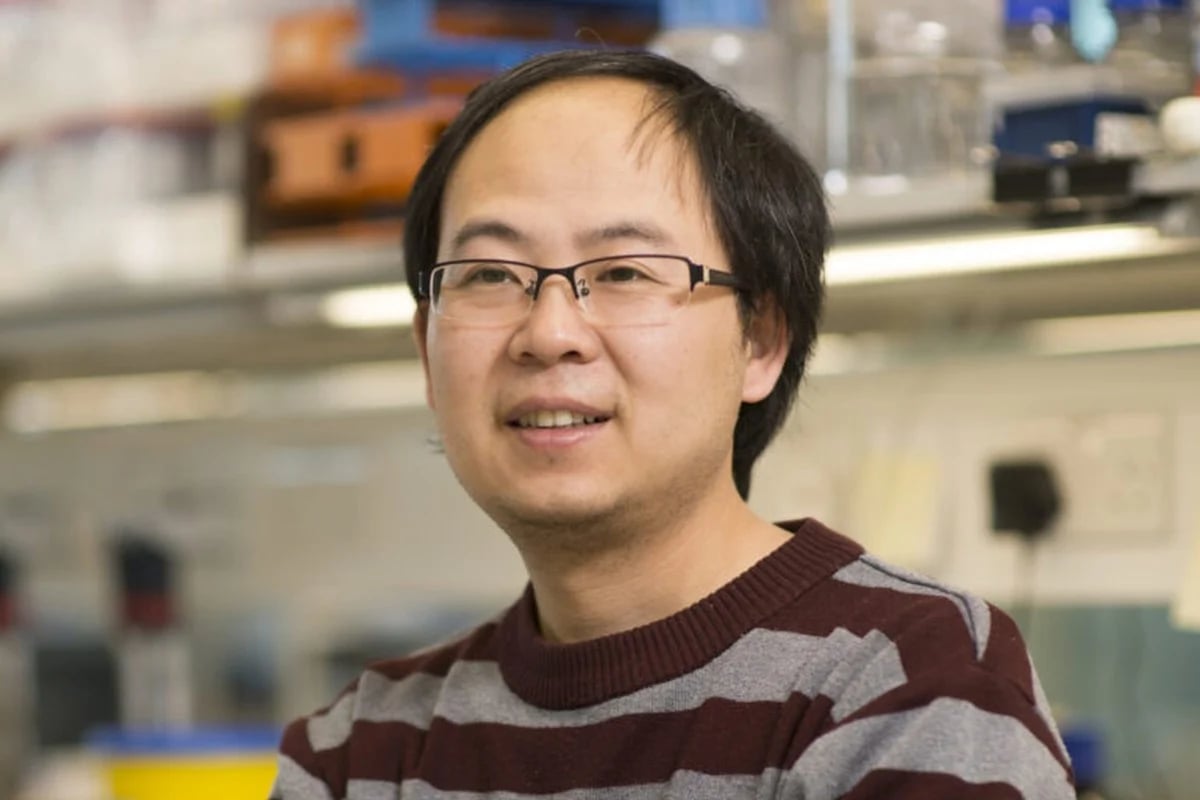 |
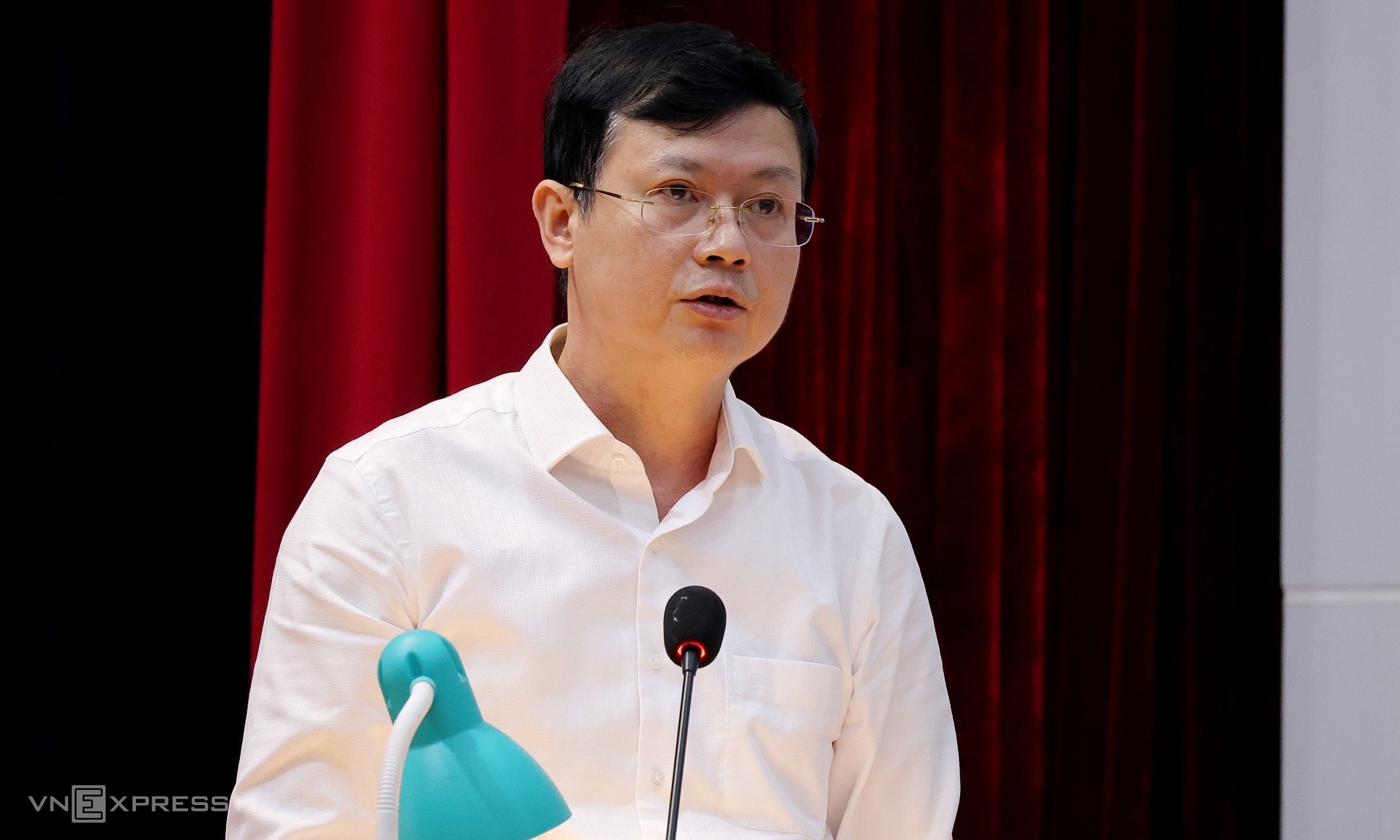
Zhang Kai. Photo: SCMP |
Zhang Kai's journey began over 20 years ago in a poor rural area of Shaanxi province. In 2004, he was admitted to Harbin Institute of Technology (HIT), then pursued graduate studies at the Institute of Biophysics, Chinese Academy of Sciences (CAS), where he developed an affinity for cryo-electron microscopy (cryo-EM).
Cryo-EM is an imaging technique that allows researchers to observe the structure of biological macromolecules. Unlike traditional biological methods primarily based on experiments, cryo-EM organically combines experimentation, theory, and computation.
Even from a young age, Zhang harbored a "futuristic" ambition: to directly visualize the atomic structure of respiratory chain complexes within mitochondria, considered the "powerhouses" of cells.
After receiving his doctoral degree from CAS in 2013, Zhang worked as a postdoctoral researcher at the Medical Research Council Laboratory of Molecular Biology in Cambridge, UK. In 2019, he began as an associate professor at Yale University, subsequently publishing numerous works in leading global scientific journals such as Science, Nature, and Cell.
In 2024, Zhang and his colleagues published a study in Nature that reviewers lauded as groundbreaking work.
Previously, protein research typically involved purification from mitochondria before microscopic observation. However, in living organisms, proteins are constantly moving and interacting. Static observation cannot accurately reflect their true state.
Zhang and his colleagues found a way to observe proteins while they are "in motion" within the body.
"If this was previously like a posed studio photograph, now we can capture a spontaneous moment," quipped Zhu Jiapeng, Zhang's collaborator at Nanjing Medical University in China.
Recording these natural images provides more authentic and accurate protein data, greatly supporting subsequent scientific analyses.
In his latest paper published in February, Zhang also refuted the "cytoplasmic assembly hypothesis," which had persisted for over a decade. His research indicated that microtubules contribute 97% to assembly efficiency, while linking proteins play only a secondary role.
Zhang Kai's departure from Yale at the peak of his career surprised many. His return continues a trend of scientists moving from the West to Asia over the past two years.
Khanh Linh (According to SCMP, Press Reader)