This directive was outlined in the Resolution of the September regular meeting and the online conference between the Government and localities, issued on 7/10.
The Government tasked the Ministry of Education and Training with guiding 34 provinces and cities to implement measures ensuring all school-aged students attend school, including those who do not gain admission to public 10th grade high schools.
Currently, after graduating from lower secondary school, students have various educational paths: continuing high school programs (in public, private, or international schools); vocational training (at continuing education centers); vocational training (at vocational education centers, intermediate colleges, or colleges); integrated general education with vocational skills (at vocational high schools); or entering the workforce.
Attending public high schools is the most common path, chosen by approximately 60-85% of lower secondary school graduates, depending on the locality. Meanwhile, about 15% drop out and lack stable employment, according to a national assembly delegate's statement in late 2024.
Deputy Minister of Education and Training Le Quan also expressed concern over the situation where many students in border regions drop out after completing 9th grade, moving to cities to work in restaurants or construction sites.
According to the Politburo's policy, authorities are constructing 248 inter-level boarding schools in border communes, with over 100 schools already operational. Additionally, in densely populated urban areas, expanding school facilities is a priority. For example, Hanoi – which has the highest competition ratio for public 10th grade admissions nationwide – plans to build four more public high schools by 2027, aiming to increase the total by at least 8-10 schools over the next five years.
 |
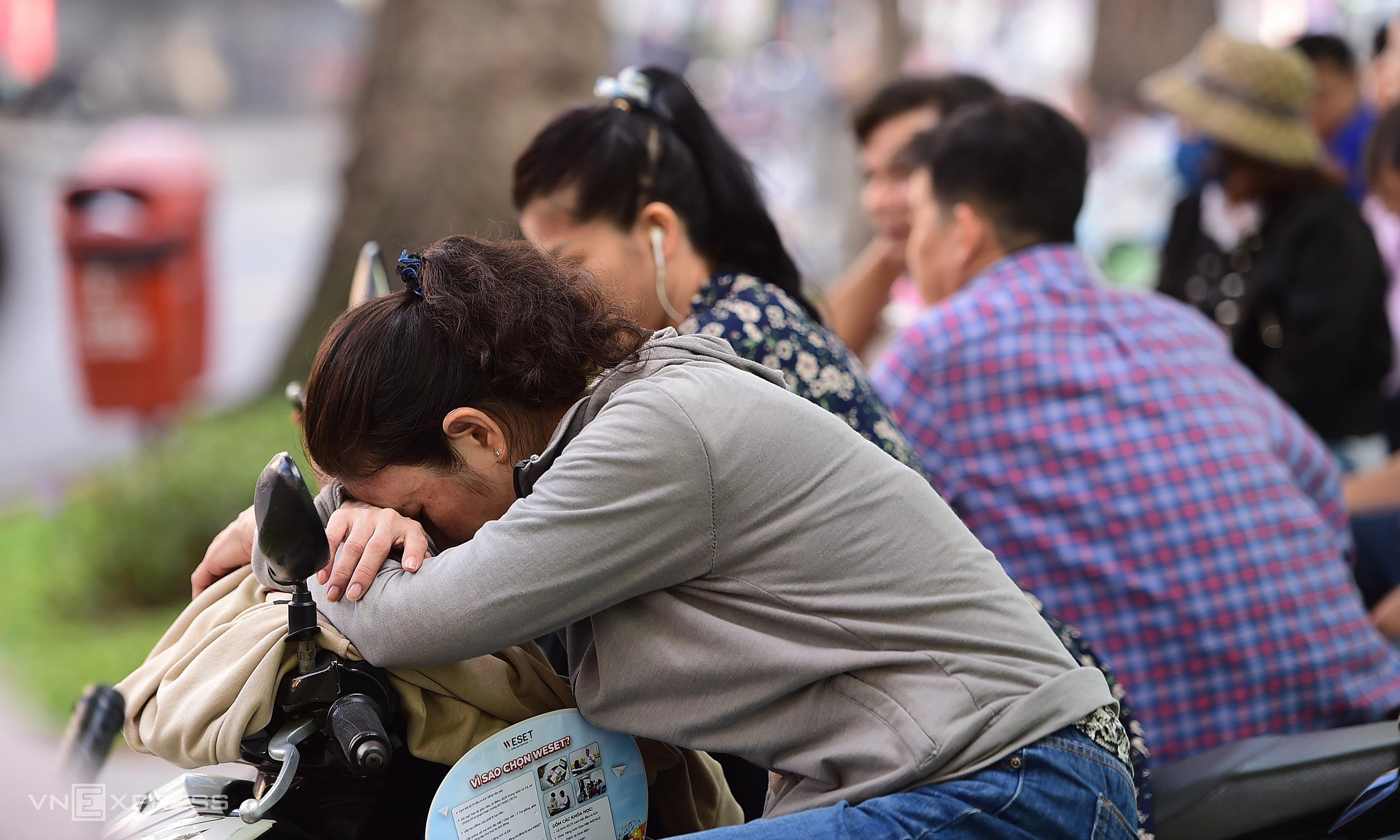
Candidates taking the 10th grade entrance exam in TP HCM, 6/2024. *Quynh Tran* |
Thanh Hang