The Fairmont International School Vietnam (FISV) launch ceremony is scheduled for 13/8 at the school campus in the Southeast Tran Duy Hung urban area, Hanoi.
According to school representatives, FISV builds upon the foundation of Fairmont Schools, a private school system established in California, US, in 1953 with over 70 years of experience in education. The school is also a member of International Schools Partnership (ISP), a network of over 120 schools in 25 countries.
Explaining the choice of Vietnam as its first destination in Southeast Asia, school representatives stated that the demand for international education in Vietnam has steadily increased in recent years, leading to the expansion of many foreign education systems. These schools not only integrate international curricula but also aim to create multicultural learning environments and connect students with a global education network.
Allen McInnis, General Principal of FISV, said the school's opening marks Fairmont's debut in Southeast Asia, offering additional international education options for families in Hanoi and the northern region.
"We aim to connect Fairmont's more than 70 years of educational foundation with a multicultural learning community, where each student gains knowledge, skills, and confidence for the future", Allen McInnis shared.
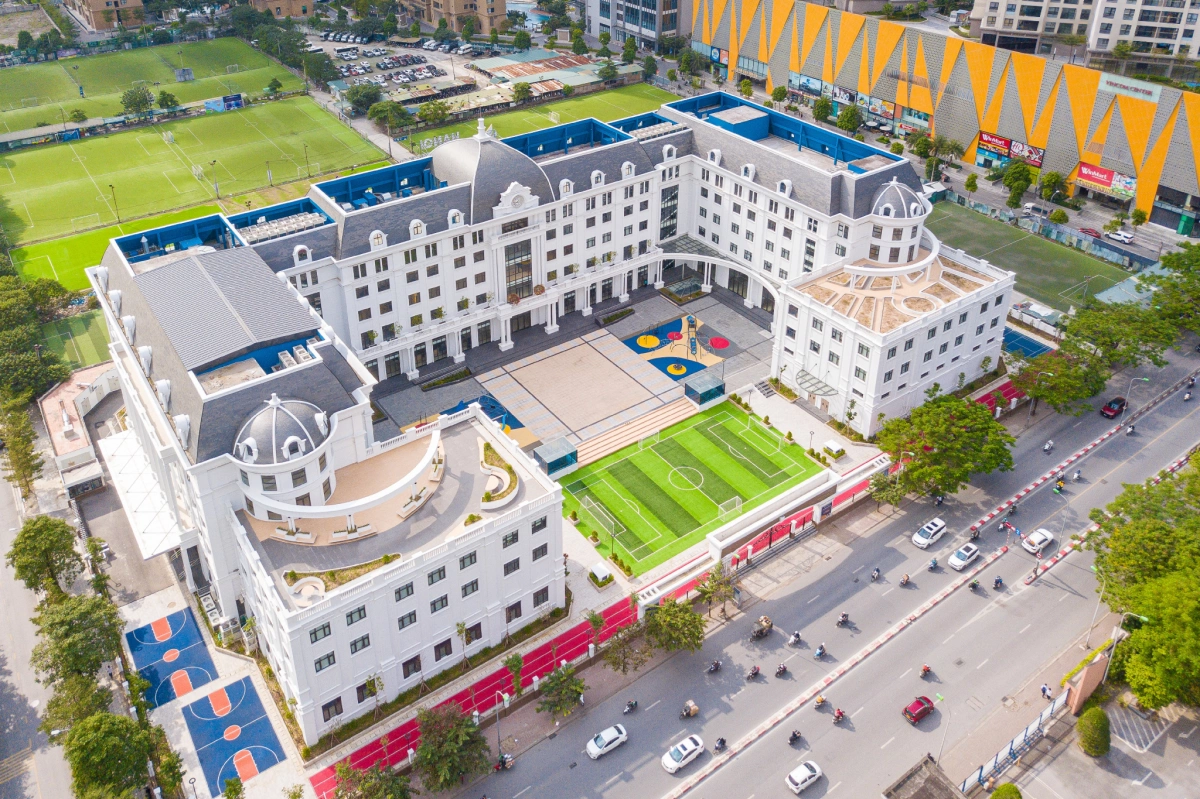 |
The school campus in the Southeast Tran Duy Hung urban area (Hanoi). *Photo: Fairmont International School Vietnam* |
At the event, the school will present its establishment, educational philosophy, curriculum, and future development plans, while offering guests the opportunity to tour the facilities and learning spaces.
For the 2026-2027 academic year, FISV will enroll students from primary to high school, offering program options to meet diverse student needs and academic goals. The school's curriculum combines local educational foundations with content based on US educational standards, emphasizing English proficiency, academic thinking, and essential future skills.
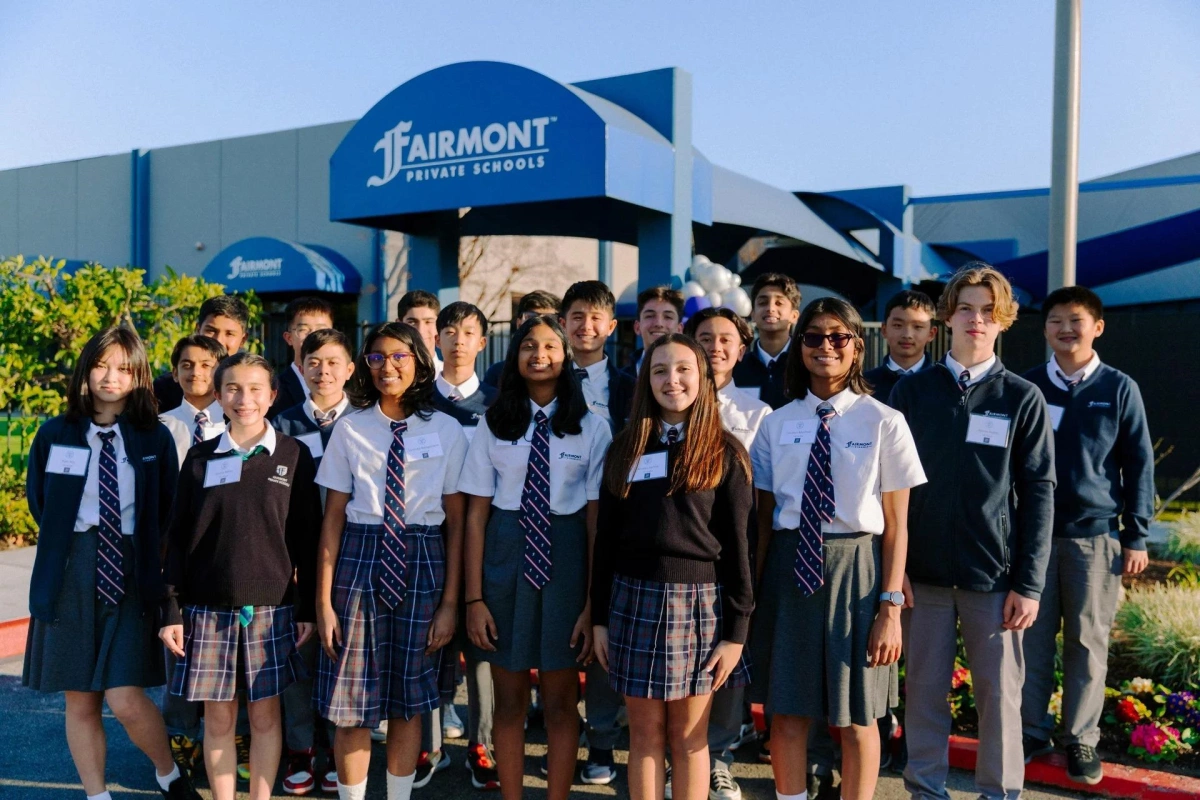 |
Fairmont students in the US. *Photo: Fairmont International School Vietnam* |
Additionally, the bilingual program integrates the curriculum of the Ministry of Education and Training of Vietnam with English-taught subjects for students from grade 1 to grade 9.
Flexible learning pathways enable students to choose directions aligned with their abilities, interests, and individual goals, preparing them for further studies in Vietnam or abroad.
As a member school of the Fairmont system, FISV connects students in Vietnam with the Fairmont community in the US through exchange activities, collaborations, and academic experiences. Furthermore, membership in the International Schools Partnership provides students with opportunities to participate in learning projects, collaborative programs, and exchanges with students at over 120 schools within the global ISP network.
School representatives stated that this model aims to create a multicultural learning environment, fostering students' intercultural communication skills, global mindset, and adaptability in an international setting.
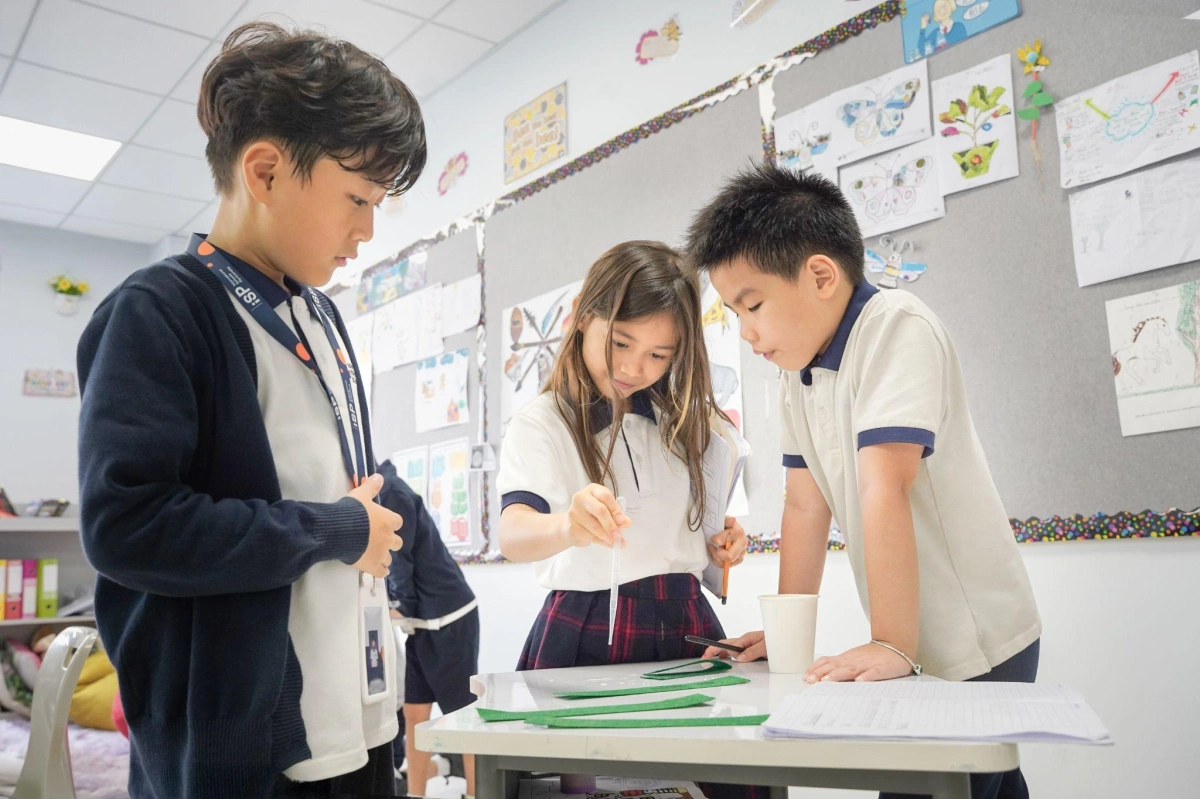 |
Fairmont students in a class. *Photo: Fairmont International School Vietnam* |
Beyond academics, FISV will develop arts, sports, technology, STEAM activities, and practical experiences. The school aims to build a student-centered learning environment, encouraging each student to develop individual strengths while fostering collaboration, creativity, and problem-solving skills.
Fairmont Schools, established in 1953, currently operates 6 campuses offering education from preschool to high school, serving both US and international students. The schools within the system are accredited by the Western Association of Schools and Colleges (WASC) and Cognia, and are members of the National Association of Independent Schools (NAIS).
In 2023, Fairmont Schools joined the International Schools Partnership (ISP), a network of over 120 schools in 25 countries. Based on Niche education ratings, many Fairmont campuses have received positive reviews for academic quality, class size, and college preparedness.
Yen Chi