This content is outlined in the Draft Decree detailing several articles of the Vocational Education Law, which the Ministry of Education and Training is collecting feedback on until 28/12.
According to the draft, names of vocational high schools must begin with a noun identifying their type, followed by elements indicating their main training field or profession, or a proper name. Proper names can include a local name, a cultural or historical figure, the name of the school's managing person or organization, or a regional or national name if it involves joint training programs.
The draft specifically states that these schools must not use the terms "general education" or "basic" in their names. When promoting their brand or recruiting students, schools are prohibited from creating the misleading impression that they are general education schools or universities. They also cannot use names that suggest a ranking or status without official recognition, nor can they use different names on diplomas, certificates, administrative decisions, contracts, or legal documents.
Furthermore, school names must not use phrases such as "international", "national", "Vietnam", or "Ho Chi Minh". They are also not permitted to use words or abbreviations that are identical to or could be confused with the names of state agencies or armed forces.
These specific regulations are not detailed in the current Vocational Education Law, which was enacted in 2014.
 |
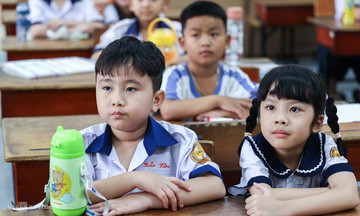
_Junior high school students visit and experience the 9+ program at Pho thong Cao dang FPT Polytechnic. Photo: FPT Polytechnic Website_
The vocational high school model is a new concept introduced by the amended Vocational Education Law, which the National Assembly approved on 10/12.
The Ministry of Education and Training has stated that this model is common globally and has been lauded by National Assembly delegates as one of the breakthroughs in the national education system.
According to the Ministry, vocational high schools are considered to be at the same educational level as general high schools, integrating core general education knowledge with specialized vocational skills.
Currently, after junior high school, students can choose between a work-study program (continuing education) or vocational training at vocational education centers, intermediate vocational schools, or college-level vocational schools.
Thanh Hang