Despite the widespread appeal of Shakira's official World Cup anthem, fans globally are increasingly using artificial intelligence (AI) to produce songs for their favorite teams. These AI-generated tracks quickly gain traction on platforms such as TikTok, YouTube, and Instagram, attracting significant engagement, according to AFP.
The trend began with the song "Imbattables" by Crystalo, whom Spotify describes as a "leading French AI music creator." He produced the song with a call-and-response structure, naming Kylian Mbappe and other national team stars over an energetic melody. Additionally, AI also generated "Light Up the World," performed by the virtual group Coda Global Ensemble, to support the French team.
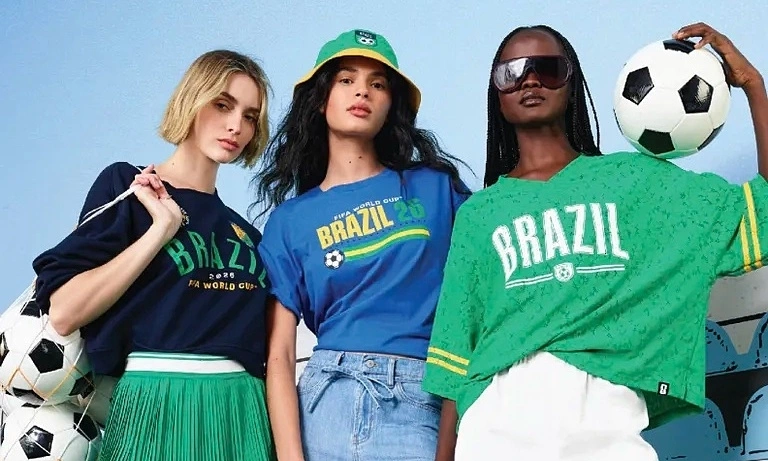
Following this, a song for the Brazilian team emerged, using player names set to a phonk beat, a popular hip-hop genre. Producer Guilherme Maia, known as M4IA, stated he combined personal creative elements with AI to build the track. A series of songs for Portugal, Argentina, Germany, and other nations continued to be introduced on music and social media platforms.
Listeners, however, find these songs similar. Many imitate Guilherme Maia's track, using a phonk-style beat, listing player names, and calling for faith in team stars—a detail often associated with figures like Cristiano Ronaldo of Portugal or Lionel Messi of Argentina.
Guilherme Maia, the producer of the Brazil anthem, expresses excitement about AI's potential for music production. However, he believes many fans are merely chasing trends and acknowledges the technology raises new questions about authorship and copyright.
"In music, there are clear rules. You cannot simply copy another's work or use audio segments without permission, even with AI involved," he stated. Maia asserts he built the song himself, using AI only as a tool to create some elements, not requiring AI to compose the entire song from a single prompt.
Africanews raises questions about musical and cultural identity when using AI to compose football anthems. "For decades, World Cup theme songs have helped nations express their individuality and unity, spanning reggae, pop, Latin, and Afrobeat. If more songs are cobbled together by algorithms instead of written by musicians deeply familiar with those cultures, the result will be stereotypical sounds, overshadowing local voices," Africanews wrote.
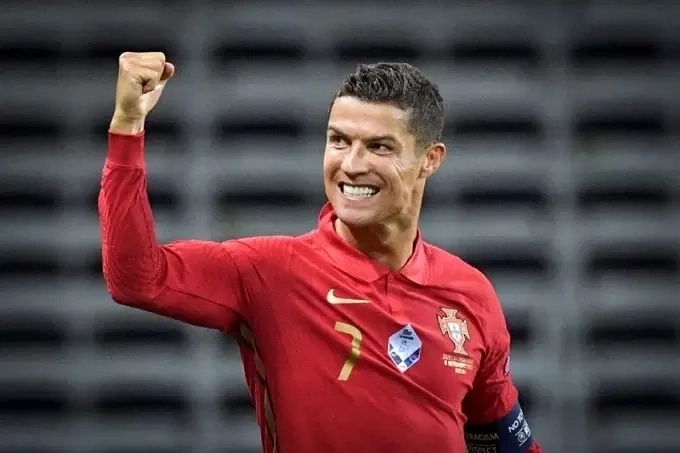 |
Ronaldo is a star mentioned in many AI-generated compositions. Photo: Reuters |
Jason Palamara, an assistant professor of music technology at Indiana University, US, suggests current AI models lack clear artist attribution if their work trains the system. Additionally, they often reveal audio flaws or inconsistent content. For example, a fan-made song for Portugal might be sung with a Brazilian accent, or a version for Colombia might pronounce James Rodriguez's name in English instead of Spanish. Palamara observes that AI football anthems are simplistic, lacking depth or rich structure.
However, Morgan Hayduk, co-CEO of the Canadian music copyright software company Beatdapp, argues that listeners of World Cup anthems are not seeking artistic complexity. "They like the music, and they also like that it's generated from a language model, not from a musician," Morgan Hayduk said.
He believes these "instant" songs are easy to sing along to, spread easily in stadiums, or used in advertising, serving as clear proof of AI-generated music's current influence.
Thanh Thanh (according to AFP, Africanews)