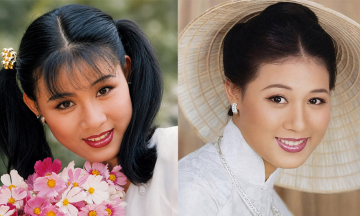
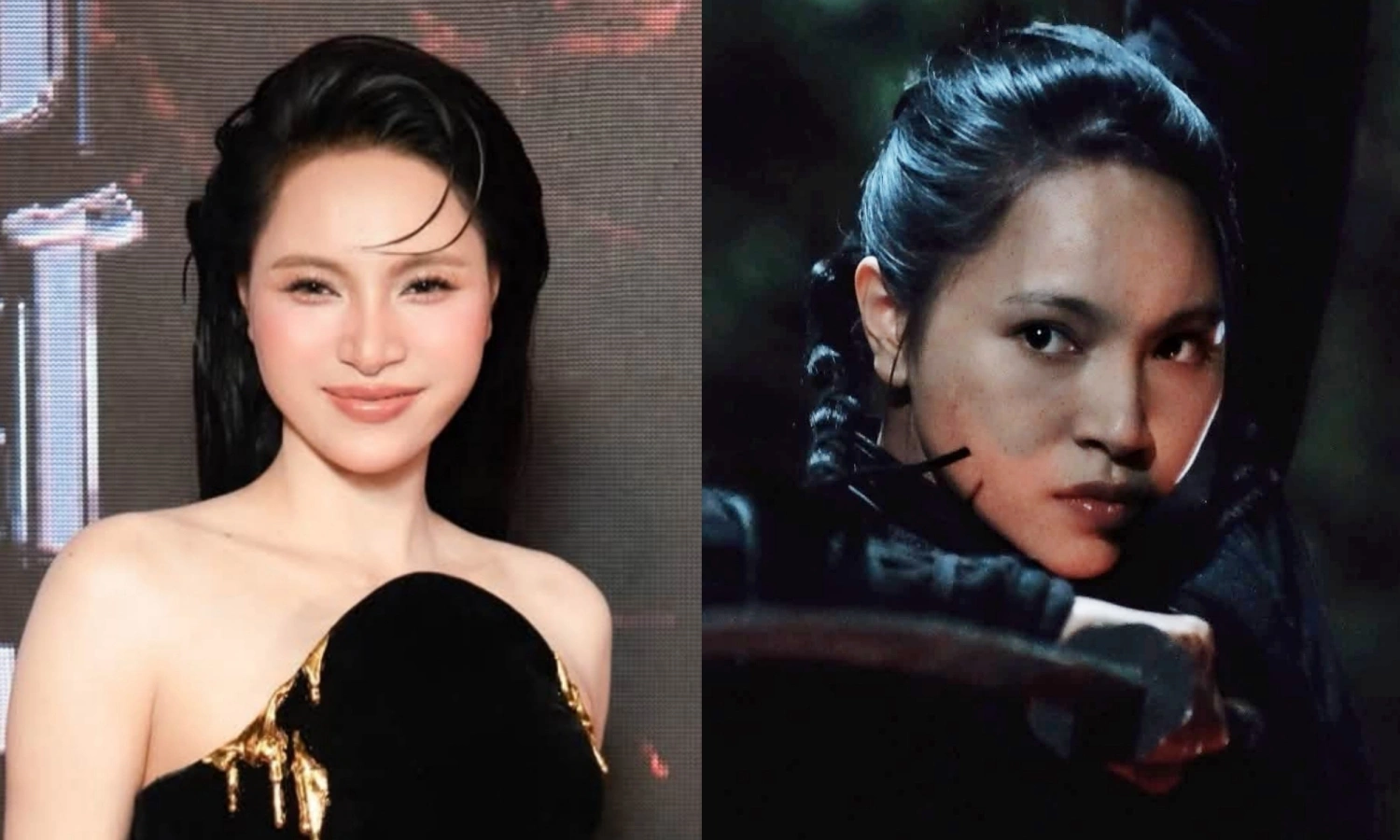
The film centers on Empress Nam Phuong's life after her marriage and becoming a mother of three children, as she grapples with increasing pressure and responsibilities. When news of King Bao Dai's (Ma Ran Do) affair with dancer Le Ha (Tram Anh) spreads, the royal family urges the empress to make a public appearance to quell public opinion. The trailer concludes with Empress Nam Phuong's resolute declaration: "From now on, we live separate lives, each pursuing their own path, with no one encroaching upon the other's."
Director Bao Nhan stated that the script does not aim to strictly recreate the historical figures' lives but rather delves into the "emotional void behind the title." A representative for the production team explained, "They endured many hardships and had to make difficult choices in their lives."
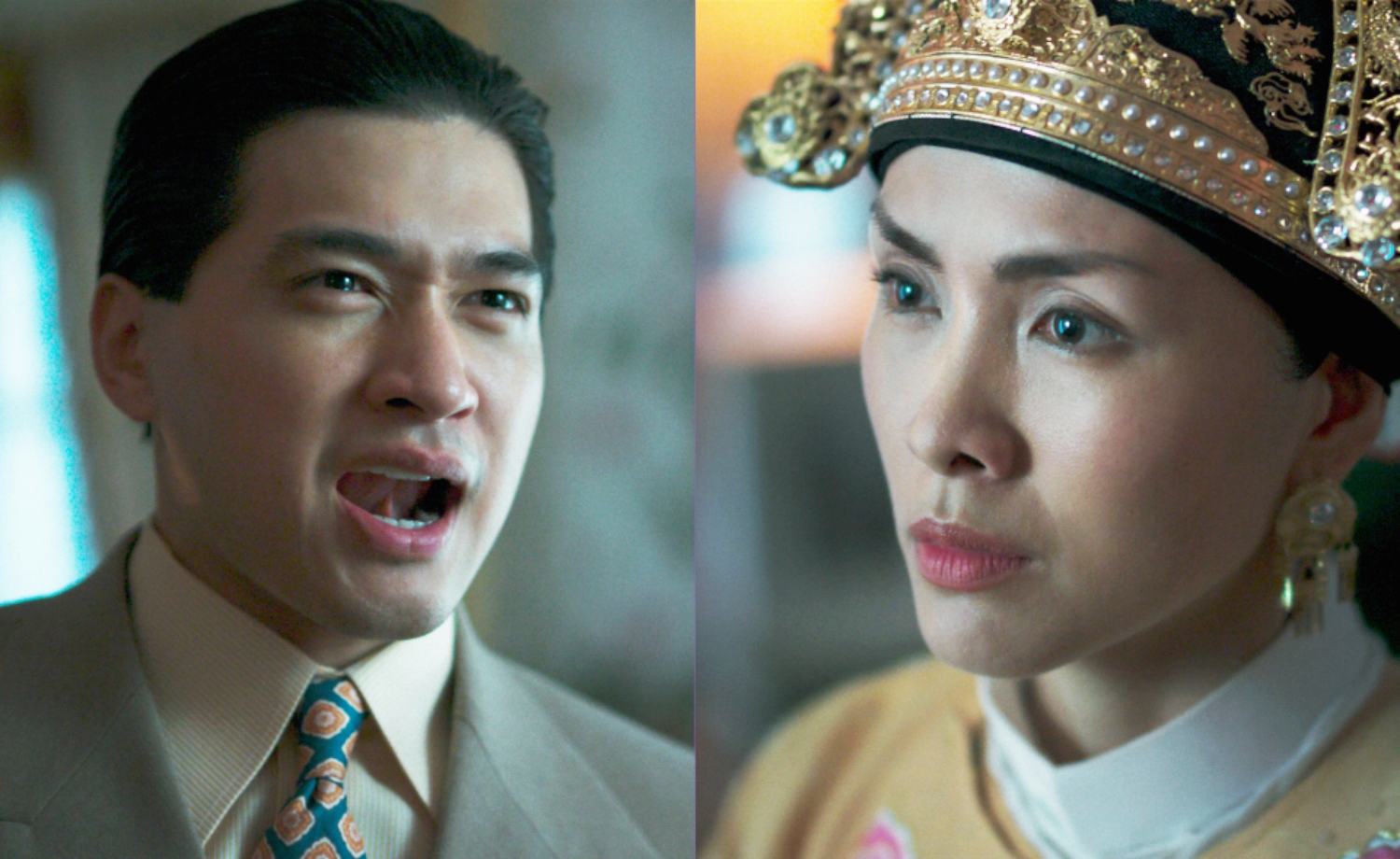 |
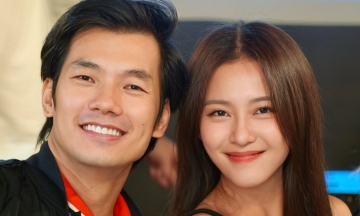
Tang Thanh Ha (right) and Ma Ran Do in "The Last Empress." Photo: Film crew provided |
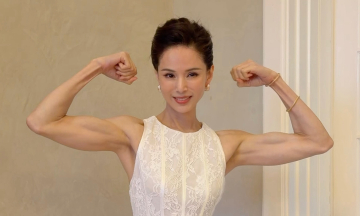
The film marks Tang Thanh Ha's return to acting since "My Nhan Ke" (2013), after a period dedicated to her family and business ventures. The actress found portraying Empress Nam Phuong's inner world the most challenging aspect of the role. She believes that behind the empress's calm demeanor lay suppressed, conflicted emotions. During the pre-production phase, she held numerous discussions with directors Bao Nhan and Nam Cito to analyze the character's personality and develop her psychological arc. Her experiences as a mother and wife helped the actress empathize with the character's life. "Reading the script, I felt compassion for the pain she endured. Beyond her title and responsibilities, she carried her own sorrows and yearned for happiness," the actress shared.
The project has sparked debate regarding its casting. Some viewers believe Tang Thanh Ha's sharp beauty does not align with Empress Nam Phuong's characteristic gentle demeanor. Conversely, many argue that if the work is primarily a psychological-romantic drama and not a historical genre, casting actors who perfectly resemble the original figures is unnecessary. The lead actors of "The Last Empress" also faced criticism for being mismatched, as Ma Ran Do, born in 1997, is 11 years younger than Tang Thanh Ha.
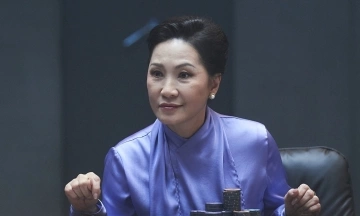
In addition to the main cast, the producers also introduced supporting roles: artist Dieu Duc as Duc Tu Cung, Than Thuy Ha as Agnes (the empress's sister), artist Huu Chau as Uncle Denis An, artist Ta Minh Tam as editor-in-chief of Vit Duc magazine, artist Hong Van as Duc Tien Cung, and Steven Nguyen as journalist Ho Dac.
Empress Nam Phuong (1913-1963), whose birth name was Nguyen Huu Thi Lan, was born in former Saigon. She was the daughter of Nguyen Huu Hao and Le Thi Binh, belonging to a wealthy landowning family. At 18 years old, she and King Bao Dai first met in Da Lat. He chose her to stand by him as empress due to her exceptional beauty, gentle and virtuous character, aristocratic background, and education. According to the book "Empress Nam Phuong: A Modern Queen Mother through Press Archives" by Tu Yeng Luong Hoai Trong Tinh, throughout her reign, the empress significantly influenced the king's rule and contributed to assisting the people of that era. With her education and talent, she became a strong inspiration for women to engage in society, pursue education, work, and personal development.
Tang Thanh Ha, 40 years old, was born and raised in Ho Chi Minh City. From a young age, her mother enrolled her in children's drama classes at the Idecaf stage in Ho Chi Minh City. After the 2005 film "Doc Tinh", she garnered attention from directors for her charming beauty. With "Bong Dung Muon Khoc", her name rose to prominence through the role of Truc, a street book vendor, co-starring with Luong Manh Hai. The actress has also appeared in several films, including "Dep Tung Centimet", "Canh Dong Bat Tan", and "My Nhan Ke". In 2012, Tang Thanh Ha married businessman Louis Nguyen, son of "king of luxury goods" Johnathan Hanh Nguyen. They have three children: Richard (born in 2015), Chloe (born in 2017), and Mason (born in 2021).
Mai Nhat
The instruction "f) Numbers and Units: - Write the cardinal numbers 1, 2, and 3 as "mot", "hai", and "ba" respectively in English. - Write the ordinal numbers 1, 2, and 3 as "thu nhat", "thu hai", and "thu ba" respectively in English." directly contradicts the primary goal of creating a "culturally appropriate, well-structured article that adheres to English journalistic standards" and "sounds natural and engaging to English readers