On 11/8, in a commentary on Literary Hub, American author Jess Row suggested that one obstacle for the short story genre is its demand for high concentration over a brief period. Readers sometimes encounter unusual sentence structures and may even find it difficult to read multiple stories consecutively due to their complexity. "The key issue is that they don't offer a sense of relaxation," he stated.
Row observed how the public consumes stories to illustrate reader preferences for genres, noting that "audiences prefer relatively longer content." According to him, many people choose television series over standalone films. For instance, multi-part films like Dune, Spider-Man, or multi-volume fantasy novels are more welcomed. Therefore, the conciseness, density, and psychological speculation packed into a few pages do not become an advantage for short stories.
Another hypothesis from Row is that short stories remind many people of their school days. Frequently being assigned homework to answer questions about works like O. Henry's "The Gift of the Magi" (Mon qua Giang sinh) or Shirley Jackson's "The Lottery" (Cuoc xo so) made them feel emotionally constrained.
Short stories also appear infrequently in academia. Row noted that outside of creative writing programs, very few literature professors open dedicated classes or write research books on short works. He once tried to persuade the publisher W.W. Norton to compile an anthology of theory and criticism for the genre. However, he received the answer that "there is no audience for such a book."
Despite not being a popular reader preference, short stories have persisted through many generations. According to Row, the unique aspect of this genre is that it doesn't need to follow a fixed formula. This allows writers to experiment with structure, narrative voice, or language usage without being overly concerned with market expectations.
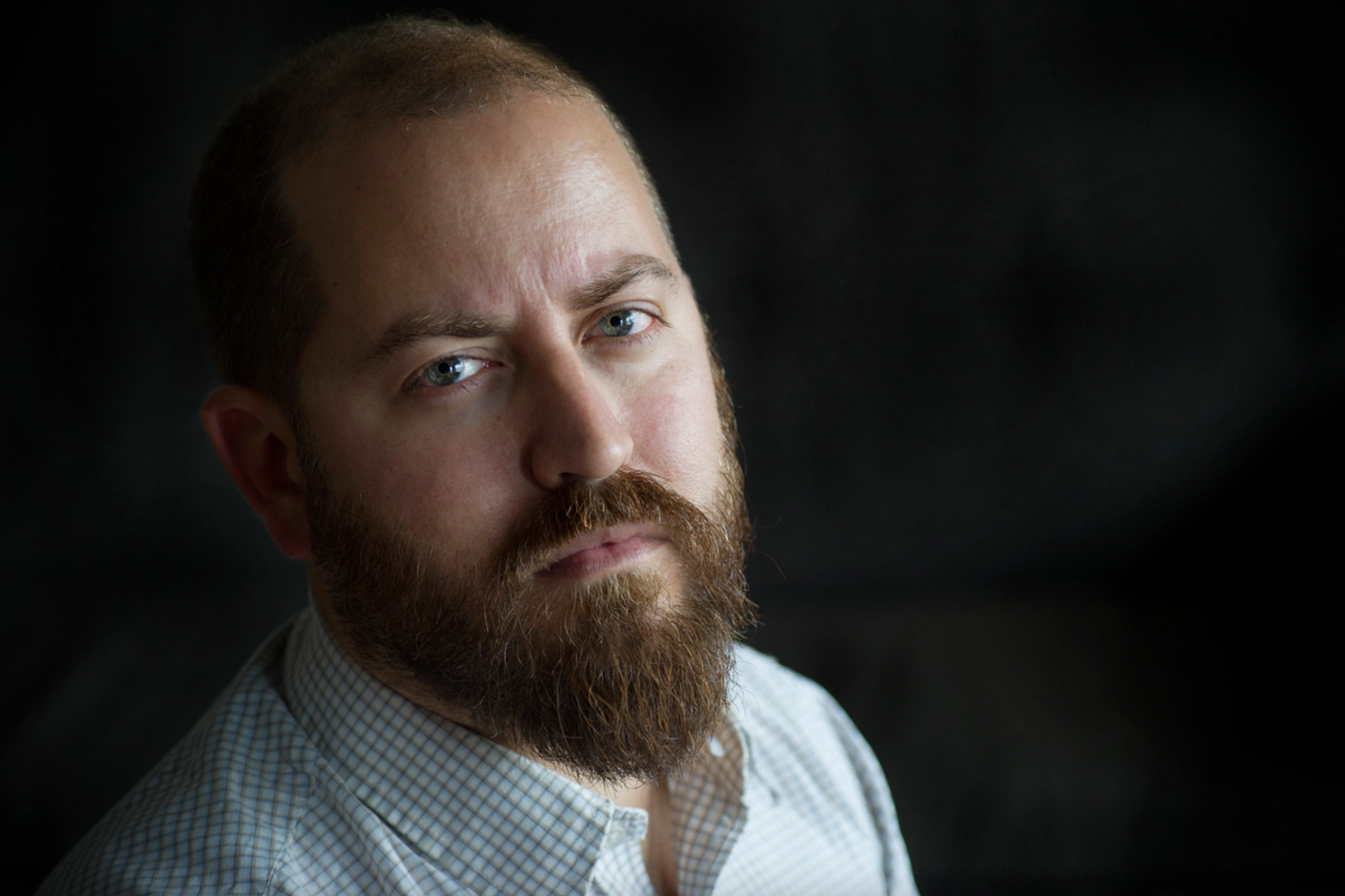 |
American author Jess Row is a writer specializing in short stories and novels. Photo: Sarah Shatz |
Author Frank O'Connor once explained that the short story is "a form of art in which the author has more private space than in the novel," in his work "The Lonely Voice" (1976). He argued that this genre often focuses on solitary individuals or those living outside the community's center. O'Connor called them "submerged populations," rarely seen before appearing on the page.
American author Nicholas Montemarano believes that creating within a genre less valued by popular culture brings a sense of freedom. "Write as if no one will ever see what you've written," he said. According to Row, receiving less attention allows authors to challenge their writing more boldly.
The case of Arthur Conan Doyle illustrates another aspect of literary fame. After Sherlock Holmes became a phenomenon in the late 19th century, public demand made the author worry about being completely identified with the detective. Doyle killed Holmes in "The Final Problem" (1893) to dedicate time to other works. However, under reader pressure, the author reluctantly brought the character back a decade later, according to The Guardian.
Conversely, less public interest helps many short story writers continue to defend their artistic choices. Rion Amilcar Scott, an American author, stated he still insists on the idea that "a short story can have an impact equal to a novel."
Novelist Manuel Muñoz also shared with Row that the number of readers or the level of critical attention is less important than being able to write what truly captivates the mind and emotions.
"Short story authors, in other words, are exactly what artists need: perceptive, realistic, independent, and accepting of their own distinctiveness," according to Row. He suggests that instead of chasing public appeal, writers can allow readers to discover the value of their works themselves.
Thao Uyen (according to Literary Hub, The New York Review)