 |
Yogurt is packed with billions of beneficial bacteria, or probiotics, such as Lactobacillus and Bifidobacterium. These probiotics help suppress harmful bacteria and strengthen the digestive system's immunity. Eating yogurt for breakfast can stimulate colon activity, soften stool, and prevent constipation. Beyond yogurt, several other breakfast choices also offer significant gut benefits.
Eggs are an easily digestible breakfast food, well-tolerated by most. They are rich in choline, vitamin A, vitamin B7, and antioxidants, along with high-quality protein, which promotes a feeling of fullness. Eggs, whether pan-fried, boiled, steamed, or scrambled with vegetables, have a low glycemic index and do not significantly impact blood sugar levels. Pairing eggs with vegetables like asparagus or kale provides additional fiber, benefiting the gut microbiome.
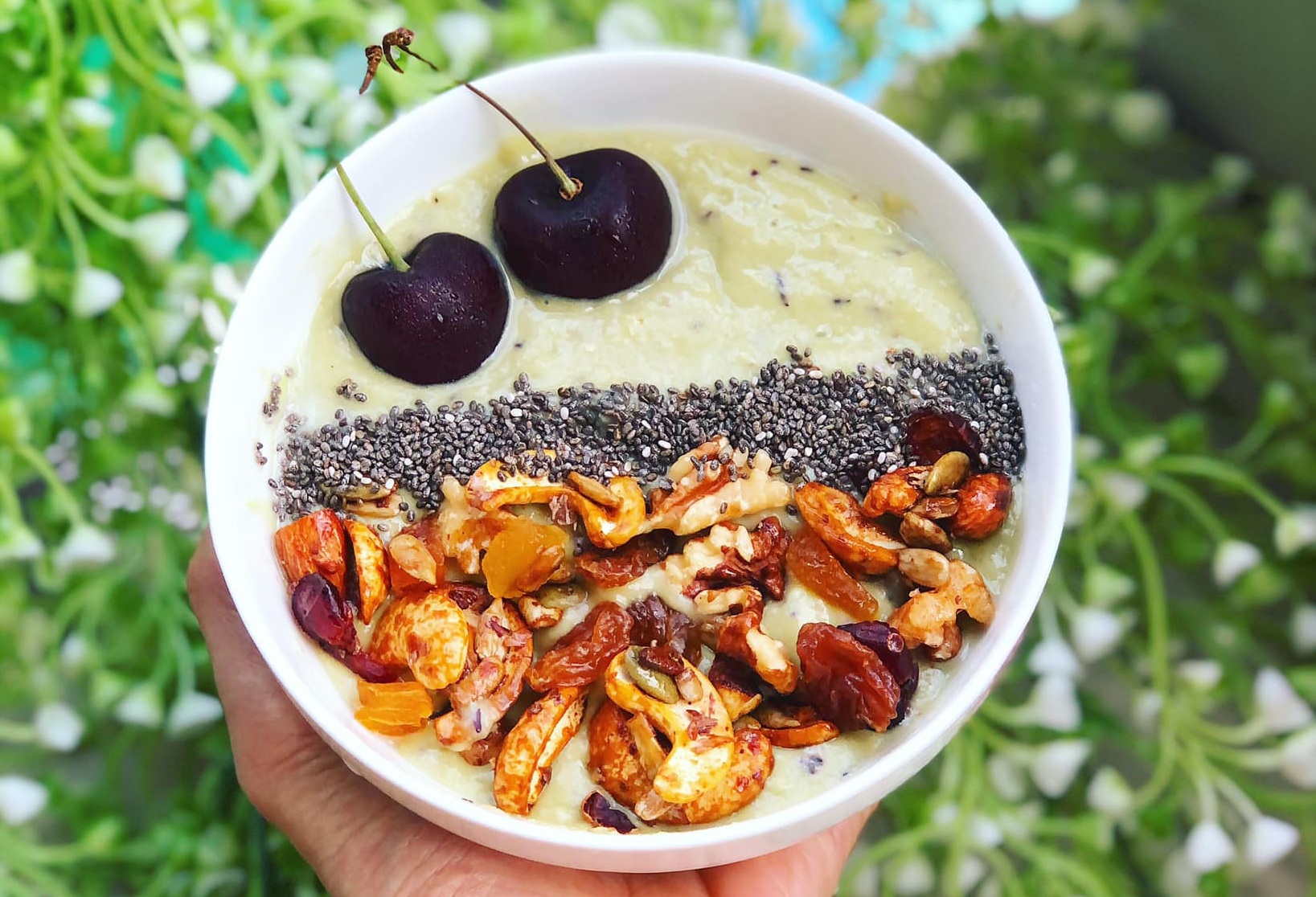 |
Oats are a whole grain rich in fiber, promoting satiety and improving digestion. According to Very Well Health, oats contain beta-glucan fiber, which helps reduce cholesterol and boost beneficial gut bacteria, stimulating bowel movements to alleviate constipation. Eating this cereal for breakfast provides vitamin B1, phosphorus, magnesium, zinc, and other beneficial nutrients. You can prepare oats as porridge, soak them overnight with milk, or make banana pancakes for breakfast.
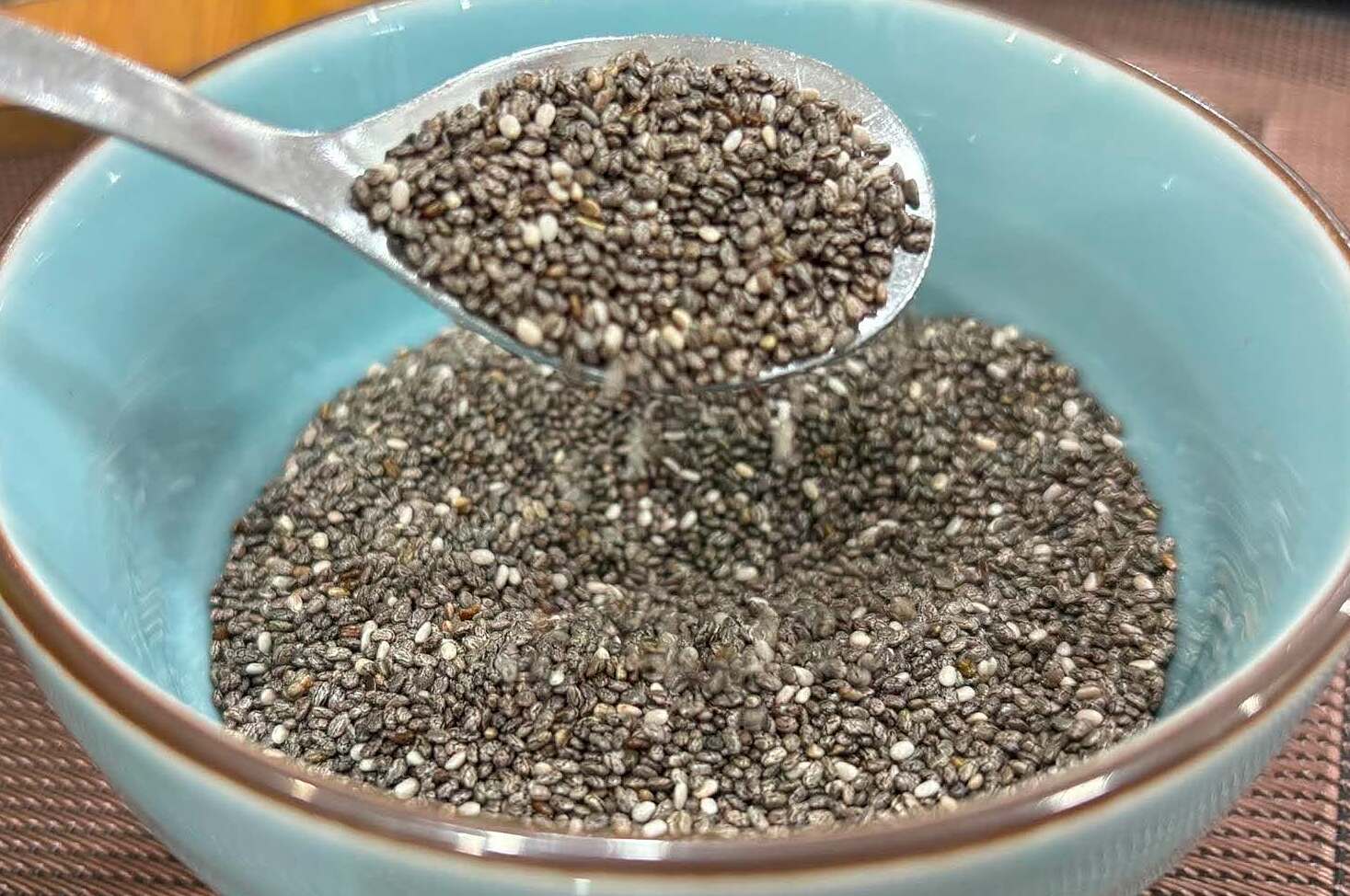 |
Chia seeds are recommended for breakfast due to their ability to promote fullness and slow digestion. They are also rich in nutrients, including fiber, omega-3 fatty acids, antioxidants, protein, calcium, phosphorus, and zinc. The fiber in chia seeds supports stable bowel movements throughout the day. Chia seeds have a mild flavor and can be easily added to other dishes like oats, smoothies, pudding, or baked goods.
 |
Salmon is rich in protein, omega-3 fatty acids, and other nutrients such as vitamin D, selenium, vitamin B12, potassium, and choline. According to WebMD, the omega-3 fatty acids (EPA and DHA) in salmon possess anti-inflammatory properties, helping to soothe the digestive tract and reduce symptoms of inflammatory bowel disease or irritation. Consuming salmon two to three times per week contributes to improving gut microbiota diversity and supporting the growth of beneficial bacteria. You can enjoy salmon for breakfast by pan-searing it or adding it to omelets or whole-grain toast. Pairing salmon with avocado creates an ideal breakfast, as the fiber in avocado helps nourish and increase the diversity of gut bacteria.
By Anh Chi (Compiled)
Photos: Anh Chi, AI