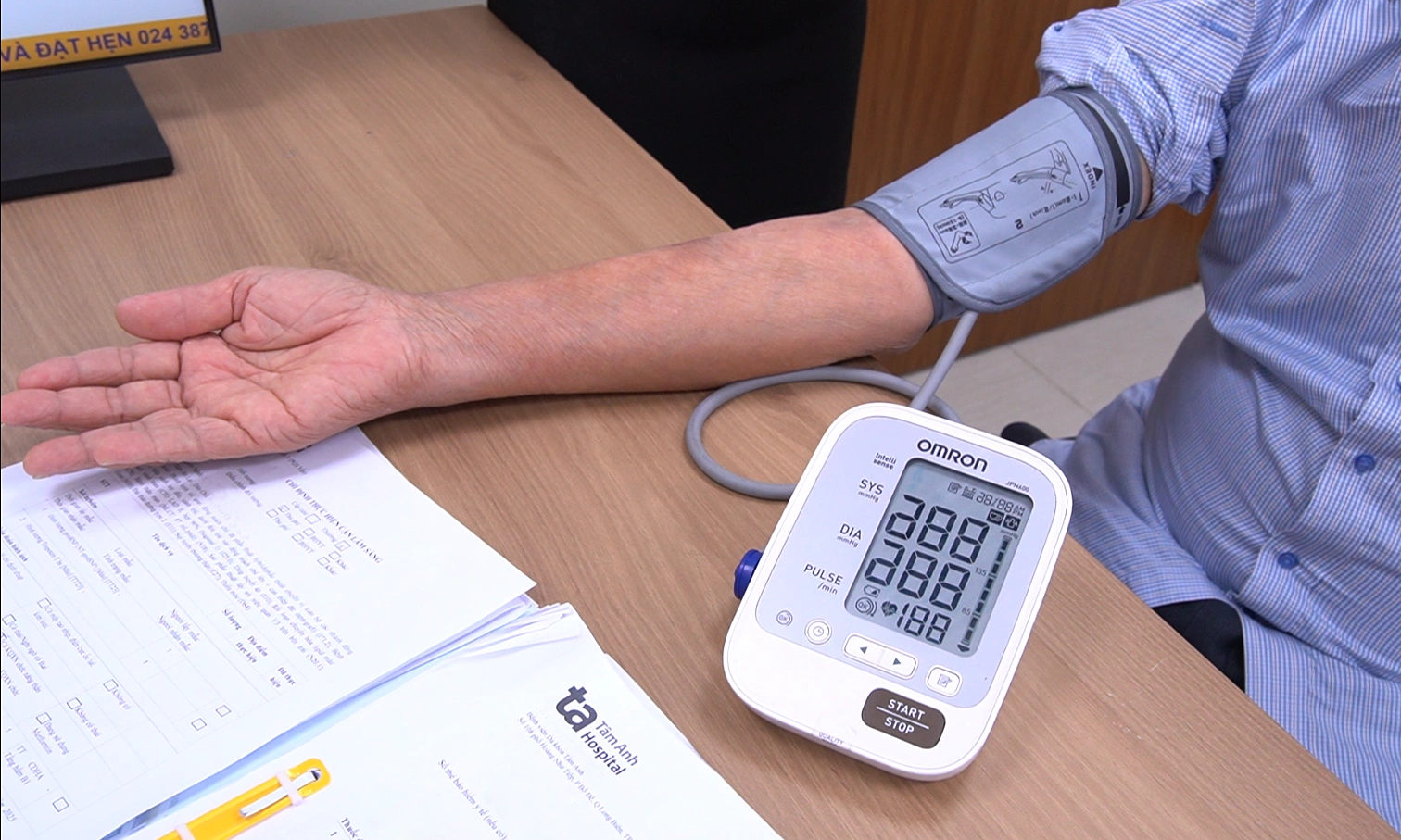
High cholesterol increases the risk of atherosclerosis, heart attack, and stroke if not well-controlled. In addition to adhering to physician-prescribed treatment, maintaining daily healthy habits contributes to improving blood lipid levels and reducing complication risks.
Eat soluble fiber
According to Eating Well, soluble fiber binds with cholesterol in the intestines, helping to excrete it from the body. This reduces cholesterol absorption into the blood. Individuals with high cholesterol should regularly consume oats, beans, apples, pears, green vegetables, and nuts. Fiber also slows sugar absorption, stabilizes blood sugar, and supports a healthy gut microbiome. A robust microbiome further helps regulate fat metabolism more effectively.
Reduce stress
When stress is prolonged, the body releases more cortisol and adrenaline, which increases blood sugar and prompts the liver to produce more cholesterol and triglycerides (neutral fats). Stress also heightens inflammatory responses, damaging blood vessel walls and accelerating plaque formation. Stressed individuals often tend to consume more sweets, fast food, alcohol, or smoke. They also tend to be less active and sleep poorly, making cholesterol difficult to control. Maintaining relaxation through exercise, meditation, deep breathing, or engaging in personal hobbies supports improved cardiovascular health, contributing to effective cholesterol control.
 |
Avocados are rich in healthy fats beneficial for heart health. Photo: Le Nguyen
Reduce bad fats, increase good fats
Individuals with high cholesterol should prioritize a diet rich in unsaturated fats like olive oil, canola oil, avocados, and nuts. At the same time, they should minimize saturated and trans fats found in fried foods, fast food, and sugary confectioneries. Increasing fatty fish like salmon and mackerel helps supplement omega-3, which aids in reducing triglycerides and blood lipids, according to Times of India.
Get enough sleep
Sleep directly affects fat metabolism and hormone balance in the body. When sleeping about 7-8 hours each night, the body has time to regulate cortisol—the stress hormone—helping to reduce elevated bad cholesterol and triglycerides. Adequate sleep also supports improved insulin sensitivity, thereby reducing the risk of dyslipidemia. Conversely, prolonged sleep deprivation increases inflammation in the body, disrupts lipid metabolism, and promotes fat accumulation in the blood. Quality sleep also helps the cardiovascular system function stably, reducing the risk of atherosclerosis.
By Le Nguyen
| Readers can submit questions about cardiovascular disease here for a doctor's response. |