The digestive system continues to function at night, even as the body enters a state of rest. What is eaten for dinner, the timing of the meal, and subsequent activities can all affect the gastrointestinal tract before sleep. Simple habits can give the body more time to process food while limiting factors that often cause bloating or reflux.
Avoid lying down immediately after eating
Lying down right after dinner can cause stomach acid to easily reflux into the esophagus, especially for those who frequently experience heartburn or reflux. Individuals with reflux symptoms should also avoid overeating and limit positions that increase abdominal pressure after meals. During this time, engaging in light activities like walking or gentle movement is advisable instead of lying in bed or reclining for too long.
Posture is also important. Slouching for prolonged periods can slow the movement of contents within the digestive tract. Instead of slumping on the sofa or leaning close to a screen after dinner, maintain a relatively upright posture and engage in light activity if conditions allow.
 |
After dinner, maintain an upright posture instead of lying down immediately to reduce the risk of reflux. Illustration: Thanh Hoa |
Prioritize fiber-rich dinners
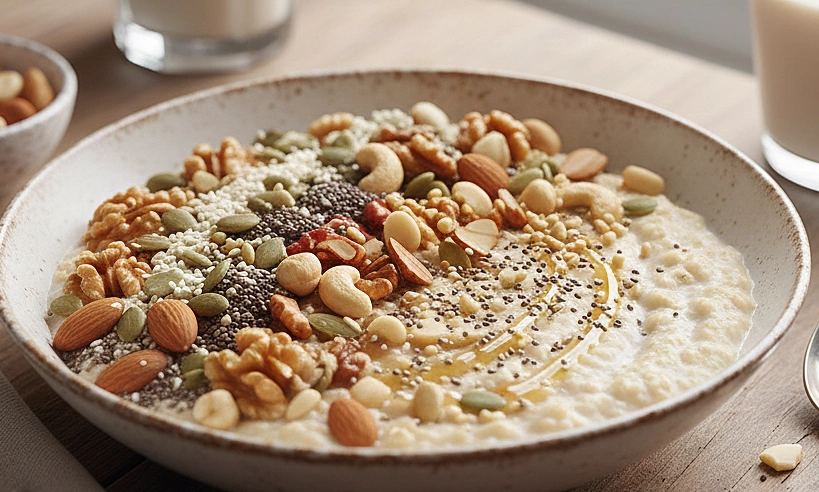
Green vegetables, fruits, legumes, and whole grains are common sources of fiber. Fiber helps increase stool bulk, supports bowel motility, and maintains regular digestive function.
A dinner can combine vegetables with protein-rich foods and whole grain starches to increase nutritional diversity. However, avoid suddenly increasing too much fiber, especially for those prone to bloating. Fiber intake should be increased gradually to allow the digestive system time to adapt.
Drinking enough water throughout the day is also important when increasing fiber. If one consumes a lot of fiber but drinks little water, stool can become dry and more difficult to pass for some individuals.
Practice diaphragmatic breathing
Diaphragmatic breathing, also known as belly breathing, involves inhaling to lower the diaphragm (the muscle between the chest cavity and the abdomen), causing the abdomen to gently expand rather than just lifting the chest. This technique can help the body transition into a relaxed state, thereby supporting the connection between the nervous system and the digestive tract.
Chronic stress can affect digestive activity, causing some individuals to feel bloated, uncomfortable, or experience changes in bowel habits. Therefore, taking a few minutes to breathe slowly and deeply using the diaphragm in the evening can be a simple way to reduce stress before sleep.
To perform this, sit or lie in a comfortable position, place one hand on your chest and the other hand on your abdomen. Inhale slowly through your nose, feeling your abdomen rise, then exhale slowly. There is no need to force a very deep breath or hold your breath.
Eat a healthy dinner
Eating dinner too close to bedtime causes the digestive system to continue processing food when the body is preparing to rest. For some individuals, this habit can increase feelings of bloating or reflux symptoms at night.
Dinner timing should be adjusted to suit one's daily routine and bedtime. Those who typically sleep early should avoid very late dinners, while shift workers need to choose a mealtime that aligns with their actual sleep schedule.
Beyond timing, portion size also requires consideration. A very large dinner, one high in fat, or containing many hard-to-digest foods can make discomfort more pronounced when lying down. Eating moderate portions and maintaining a consistent eating schedule can help the digestive system function more smoothly.