Cholesterol
According to Times of India, high levels of low-density lipoprotein cholesterol (LDL-C), often referred to as "bad" cholesterol, can lead to plaque buildup in artery walls. This narrows or blocks blood vessels, increasing the risk of heart attack and stroke. Conversely, high-density lipoprotein cholesterol (HDL-C), or "good" cholesterol, helps transport excess cholesterol back to the liver for elimination, contributing to cardiovascular protection.
Many individuals with high cholesterol show no symptoms. Therefore, regular lipid panel tests are crucial for assessing cardiovascular disease risk and implementing appropriate preventive measures.
For most adults, an ideal LDL-C level is below 100 mg/dL, while HDL-C levels of 60 mg/dL or higher are considered beneficial for heart health.
Blood sugar
Everyone should regularly monitor their blood sugar to detect early signs of dysglycemia and diabetes. This is a significant factor that increases the risk of cardiovascular diseases, including heart attacks.
When blood sugar remains high for extended periods, excess glucose in the blood can damage blood vessels and nerves over time. This condition also promotes plaque formation, impacting the normal function of the cardiovascular system.
In healthy individuals, fasting blood sugar typically ranges from 3,9-5,5 mmol/L, and two hours after eating, it is usually below 7,8 mmol/L.
 |
Finger prick to measure blood sugar. Photo. Benh vien Da khoa Tam Anh. |
Blood pressure
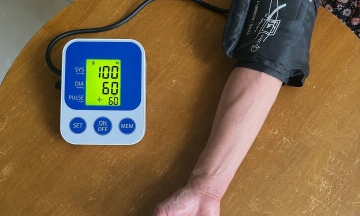
Blood pressure is the force of blood against artery walls as the heart pumps. When blood pressure remains high for extended periods, blood vessels can suffer damage, and the heart works harder, increasing the risk of heart attack and stroke. A normal and ideal blood pressure level for adults is typically defined as below 120/80 mmHg.
Low blood pressure (below 90/60 mmHg) can reduce blood and oxygen flow to the brain and vital organs. Patients may experience symptoms such as dizziness, lightheadedness, and fainting, which can lead to injuries. Some severe or prolonged cases can affect heart and kidney function, according to WebMD.
Resting heart rate
Resting heart rate (RHR) reflects the heart's activity level when the body is at rest. A persistently high heart rate can relate to stress, poor physical condition, an unhealthy lifestyle, or certain cardiovascular issues. Factors like smoking, physical inactivity, and poor nutrition can also affect this indicator. For adults, a resting heart rate typically ranges from 60-100 beats per minute.
To help maintain a stable heart rate, individuals should adopt a healthy lifestyle, including: regular exercise for about 30 minutes daily, getting enough sleep, managing stress, and limiting stimulants such as alcohol and tobacco.
Le Nguyen (Compiled by)
| Readers can submit questions about cardiovascular disease here for a doctor's answers. |