 |
Choosing easily digestible foods benefits individuals with conditions like digestive tract infections, digestive disorders, enteritis, acid reflux, or diverticulitis. These foods reduce pressure on the intestines and aid recovery.
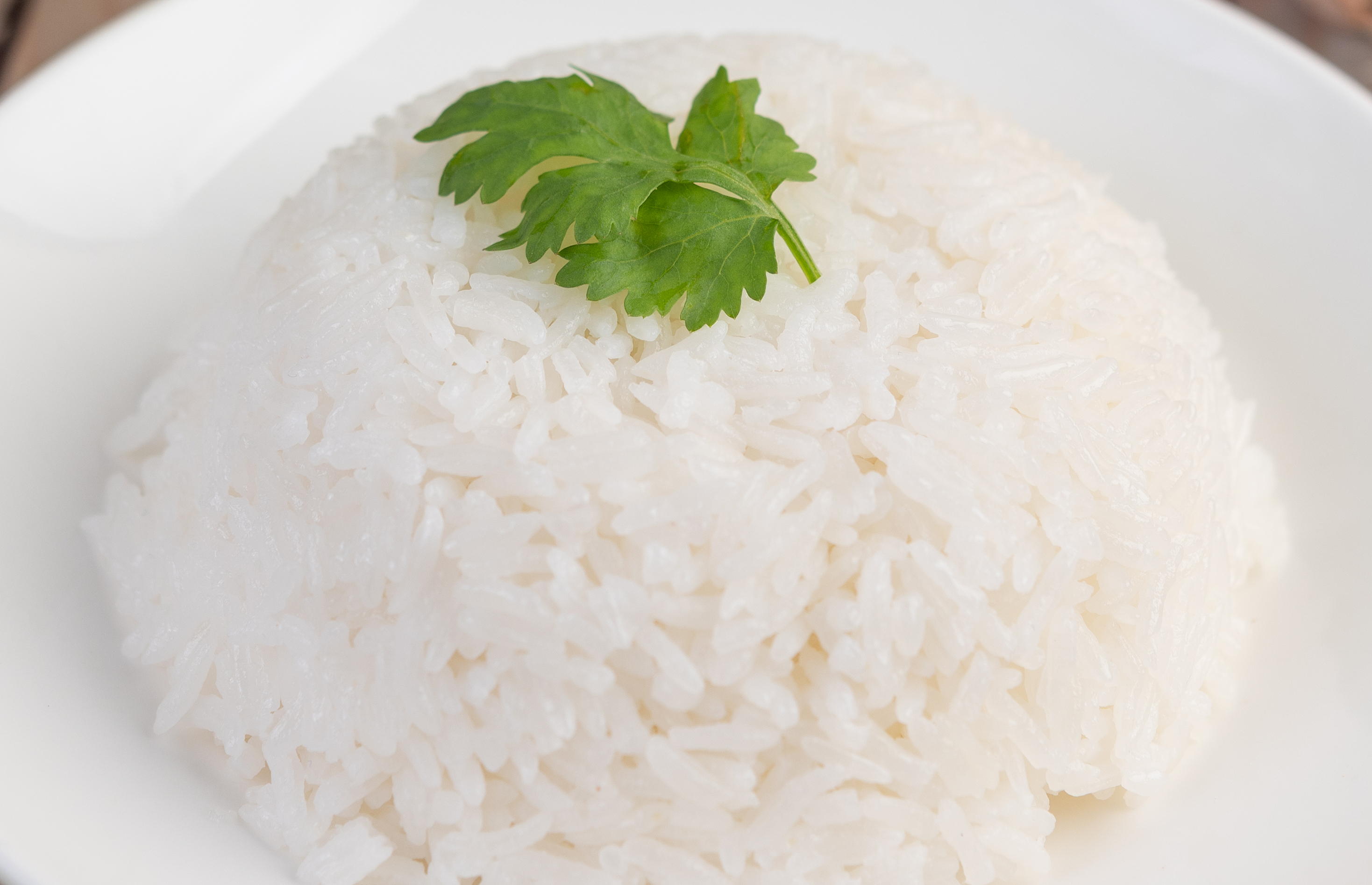
White rice is generally easier to digest than brown or red rice. Refined grain products such as white rice and porridge have low fiber content and digest quickly, making them suitable for stomach upset, abdominal pain, or nausea.
Consuming too much fiber when the digestive system is compromised can accelerate food transit through the intestines, potentially causing diarrhea or bloating.
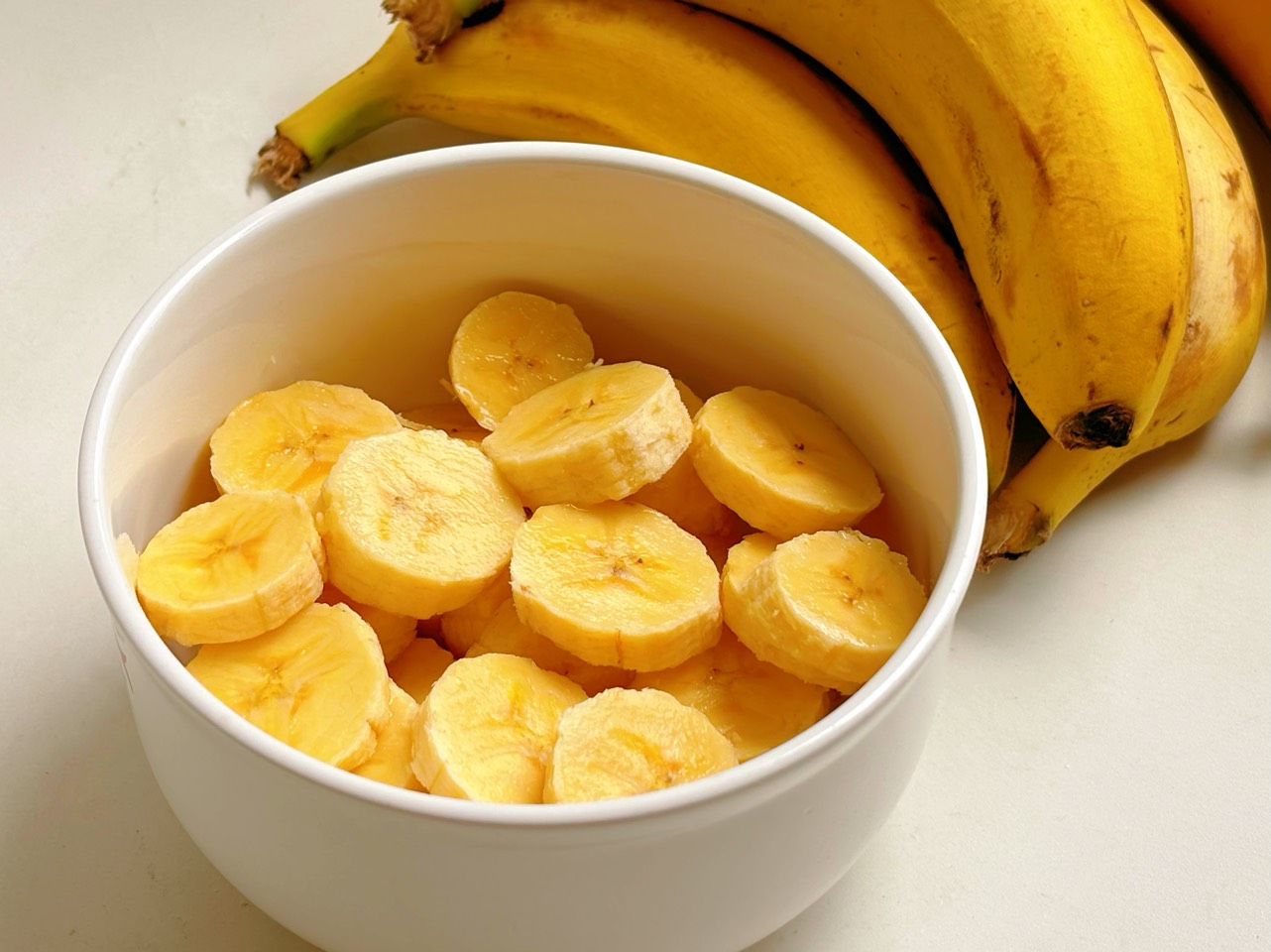 |
Bananas are a suitable choice for those with digestive problems or symptoms like nausea, diarrhea, or vomiting. This fruit is easily digestible and provides potassium, helping to replenish electrolytes lost due to dehydration.
 |
Boiled sweet potatoes support gut health, improve digestion, and help reduce diarrhea. Thoroughly cooked sweet potatoes are easier to digest than potatoes, being softer and less irritating to digestive enzymes. This tuber's glycemic index is low, so it does not affect blood sugar levels, according to Eating Well.
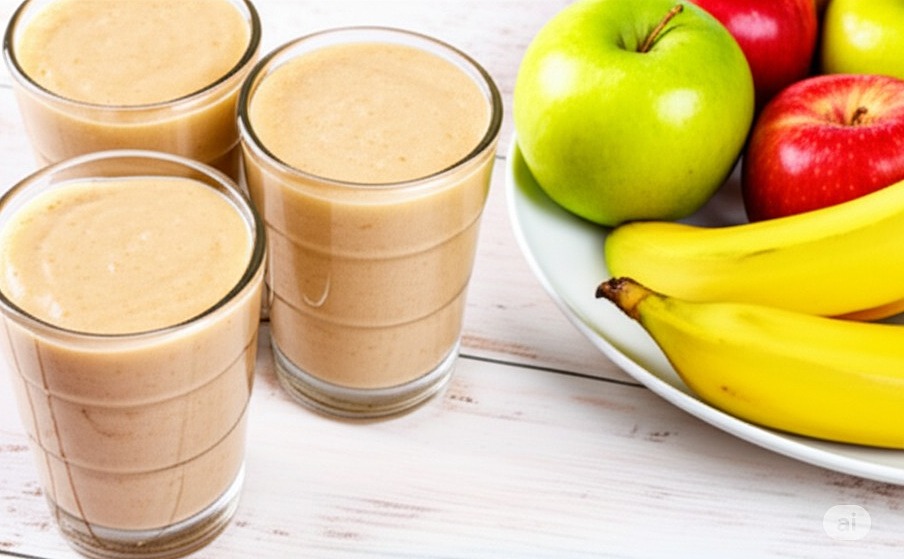 |
Apple smoothies are soft, easily digestible, and generally less taxing on the stomach than whole apples with their skin. Individuals with diarrhea or enteritis can consume apples to supplement pectin, a soluble fiber that helps absorb water in the intestines, thickens stool, and supports stable bowel movements.
Apples also contain antioxidant compounds like polyphenols, which help nourish the gut microbiome and support digestive health.
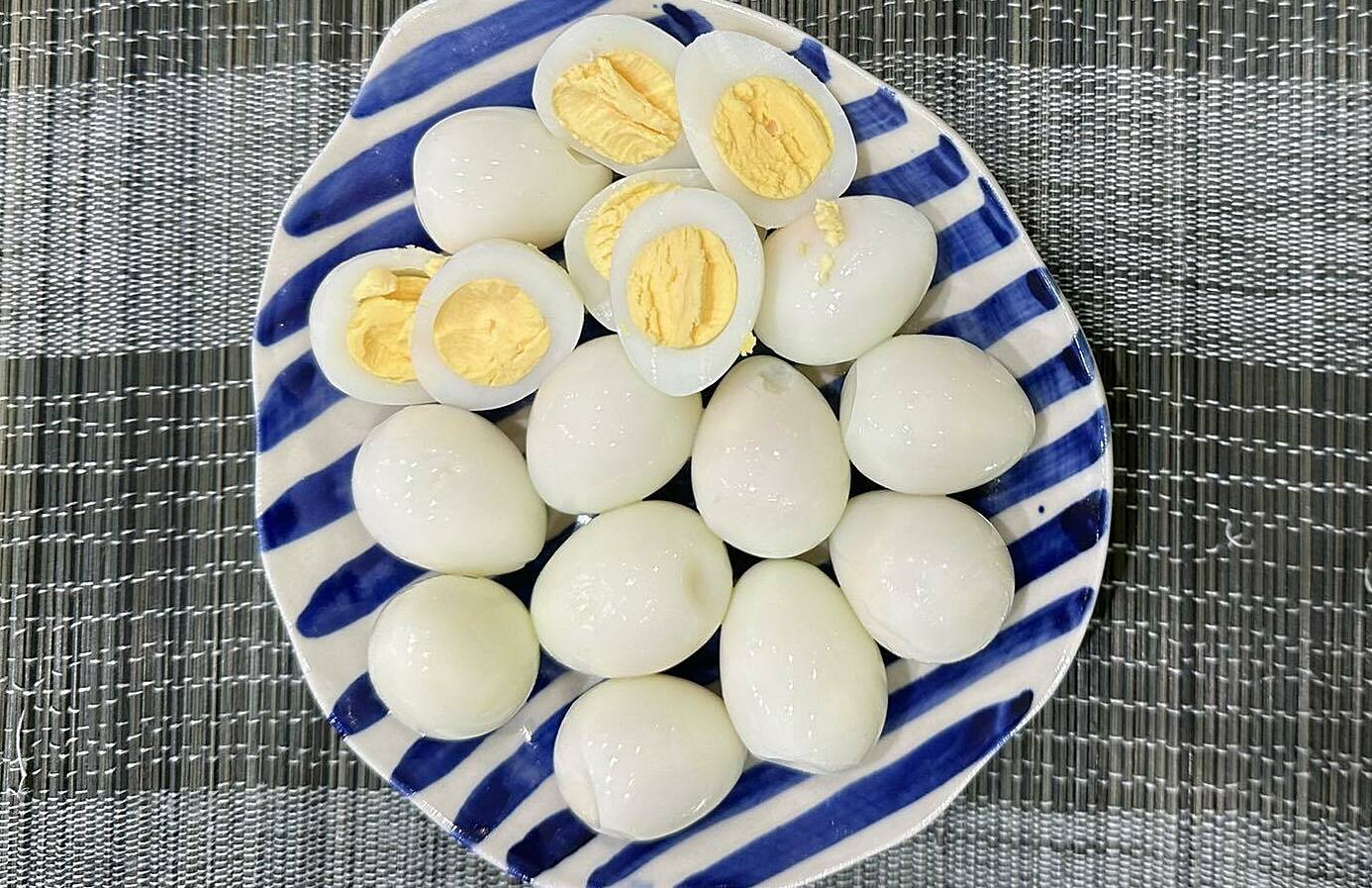 |
Boiled or poached eggs are easily digestible preparations. Eggs are rich in protein, promoting satiety, while egg whites contain very little fat. Individuals with sensitive digestive systems should limit greasy fried eggs, as fat can slow digestion. Eggs must be thoroughly cooked to reduce the risk of foodborne illness, according to Very Well Health.
 |
Salmon is rich in high-quality protein and omega-3 fatty acids, supporting cardiovascular health and reducing inflammation. The protein in salmon is relatively easy to digest, while its fats are primarily beneficial unsaturated fats.
To preserve salmon's nutritional value and limit added fats, prioritize preparation methods such as steaming, baking, pan-searing with little oil, or poaching.
By Anh Chi (Compiled)
Photos: Anh Chi, Bao Bao, AI