Answer:
Low blood pressure in adults is defined as a reading below 90/60 mmHg. This condition is common and can occur at various ages.
For some individuals, low blood pressure is a normal physiological state, not accompanied by any underlying medical conditions or unusual causes. However, a sudden drop in blood pressure carries risks such as reduced blood flow to the brain, damage to the heart and kidneys, and the potential for shock. In older adults or those with pre-existing medical conditions, severely low blood pressure increases the risk of falls, stroke, and death.
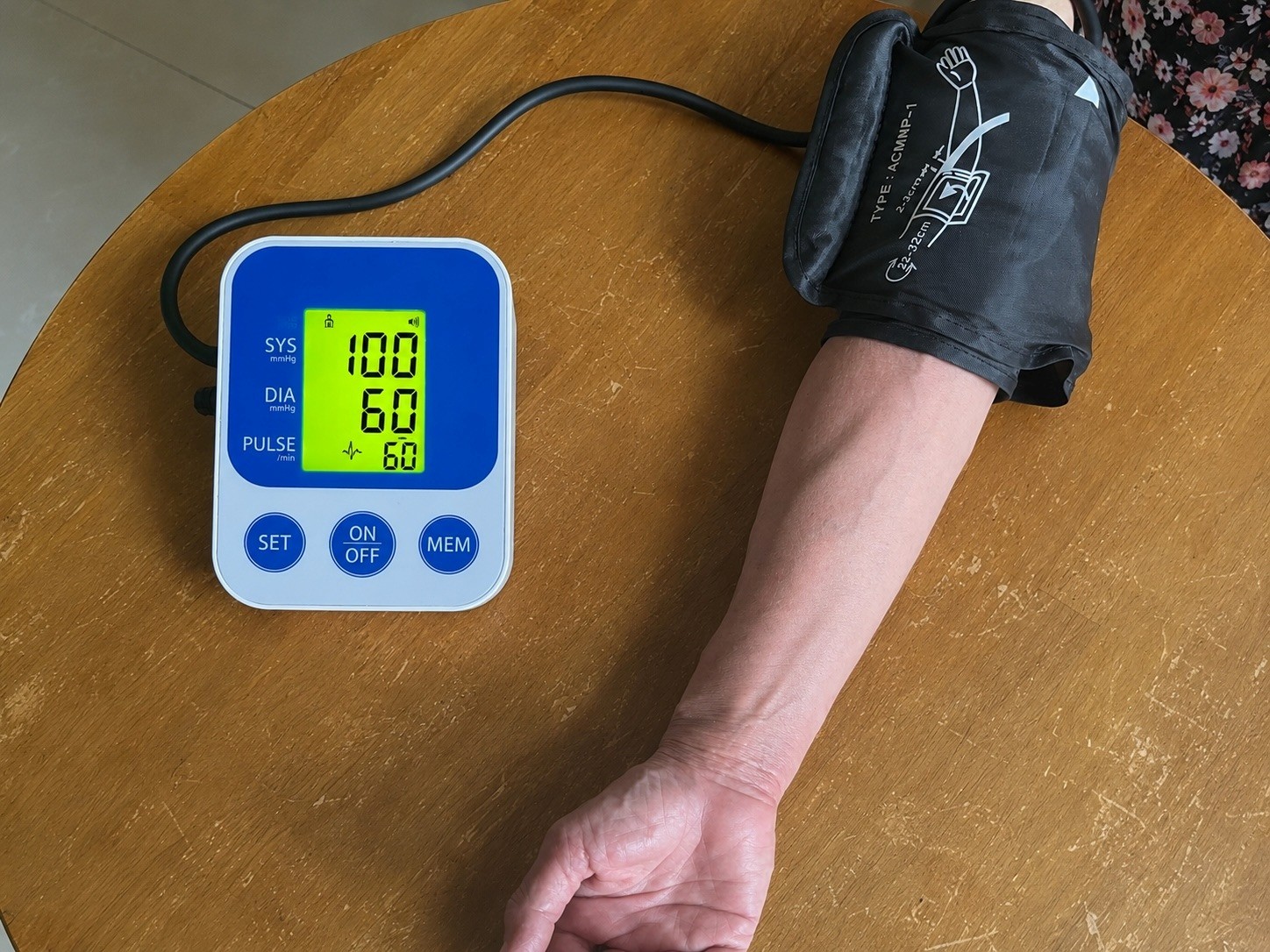 |
Regular blood pressure checks help detect low blood pressure early. Photo: Tam Anh General Hospital |
Common causes of low blood pressure include inadequate nutrition and the use of stimulants such as alcohol or illicit drugs.
Low blood pressure can also stem from other medical conditions. These include reduced circulatory volume due to dehydration (from vomiting or diarrhea), acute blood loss (due to trauma or gastrointestinal bleeding), or chronic anemia (resulting from nutritional deficiencies, menorrhagia, or metrorrhagia). Endocrine disorders, cardiovascular diseases, medication side effects, severe infections, allergies, and pregnancy are also potential causes.
If your blood pressure has always been low but you lead a normal life without symptoms, it is not dangerous and does not require treatment. However, you should still consult a doctor to rule out any underlying causes mentioned above.
Immediate medical attention is necessary if your blood pressure was previously normal but has recently dropped, especially if accompanied by unusual symptoms like easy fatigue, blurred vision, dizziness, lightheadedness, headaches, or vomiting.
General advice for individuals with low blood pressure includes:
Lifestyle improvements: Maintain healthy habits such as drinking adequate water, at least two liters daily, particularly in hot weather or after exercise. Replenish electrolytes in cases of diarrhea, vomiting, or excessive sweating. Eat a balanced, nutritious diet and avoid skipping meals to prevent sudden drops in blood pressure.
Individuals with low blood pressure may increase their salt intake, but this should be done under a doctor's guidance to avoid stressing the heart and kidneys. Avoid prolonged standing or sitting, and sudden changes in posture. Engage in light, regular exercise to improve blood circulation. Limit alcohol and coffee consumption, and reduce the use of stimulants.
Medication: Use medication only when there is a specific cause or clinical symptoms, and when lifestyle changes are insufficient. This must be supervised by a specialist to prevent side effects. Patients must never self-medicate or stop taking medication without medical advice.
Doctor of Medicine, Level II, Pham Thi Lan Anh
Head of Cardiology Unit
Tam Anh General Clinic, District 7
| Readers can submit cardiology questions here for a doctor's response |