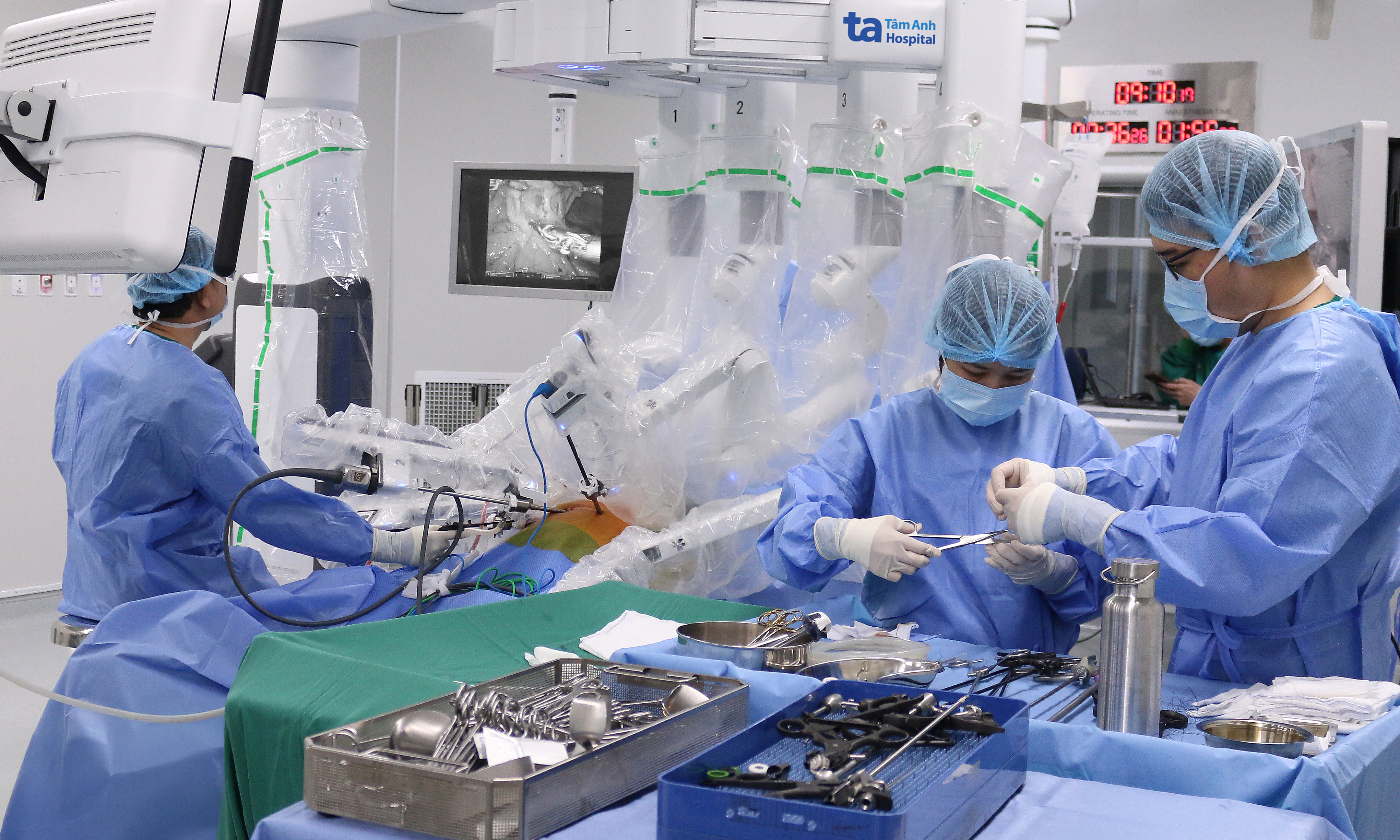
Nuss surgery, a minimally invasive procedure, corrects pectus excavatum, relieving pressure on the heart and lungs.
Surgeons place a metal bar to support the ribs. After 2-3 years, once the rib cartilage and bones stabilize in their new position, the bar is surgically removed, completing the treatment.
According to Associate Professor, Doctor Vu Huu Vinh, Director of the Thoracic - Vascular Surgery Center at Tam Anh General Hospital, Ho Chi Minh City, the metal bars are not fully encapsulated by connective tissue during the first 1-3 months after pectus excavatum repair surgery, making their position unstable. Patients should observe the following:
Prioritize a Nutritious Diet
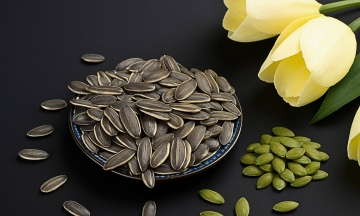
A diet rich in calcium and vitamin D, including foods such as: milk, cheese, nuts, and dark leafy greens, supports bone regeneration around the bar, promotes wound healing, and strengthens the skeletal structure.
Adequate hydration and increased fiber intake from fruits help prevent constipation, reducing strain on chest wall muscles during bowel movements. This strain could cause pain or affect the bar's position.
Patients should avoid foods that cause allergies or coughing, as strong or prolonged coughing and sneezing can lead to chest pain or dislodge the bar.
Minimize alcoholic beverages, such as: beer and wine, and stimulants like: coffee and tobacco. These substances can slow tissue recovery and reduce the effectiveness of prescribed medications.
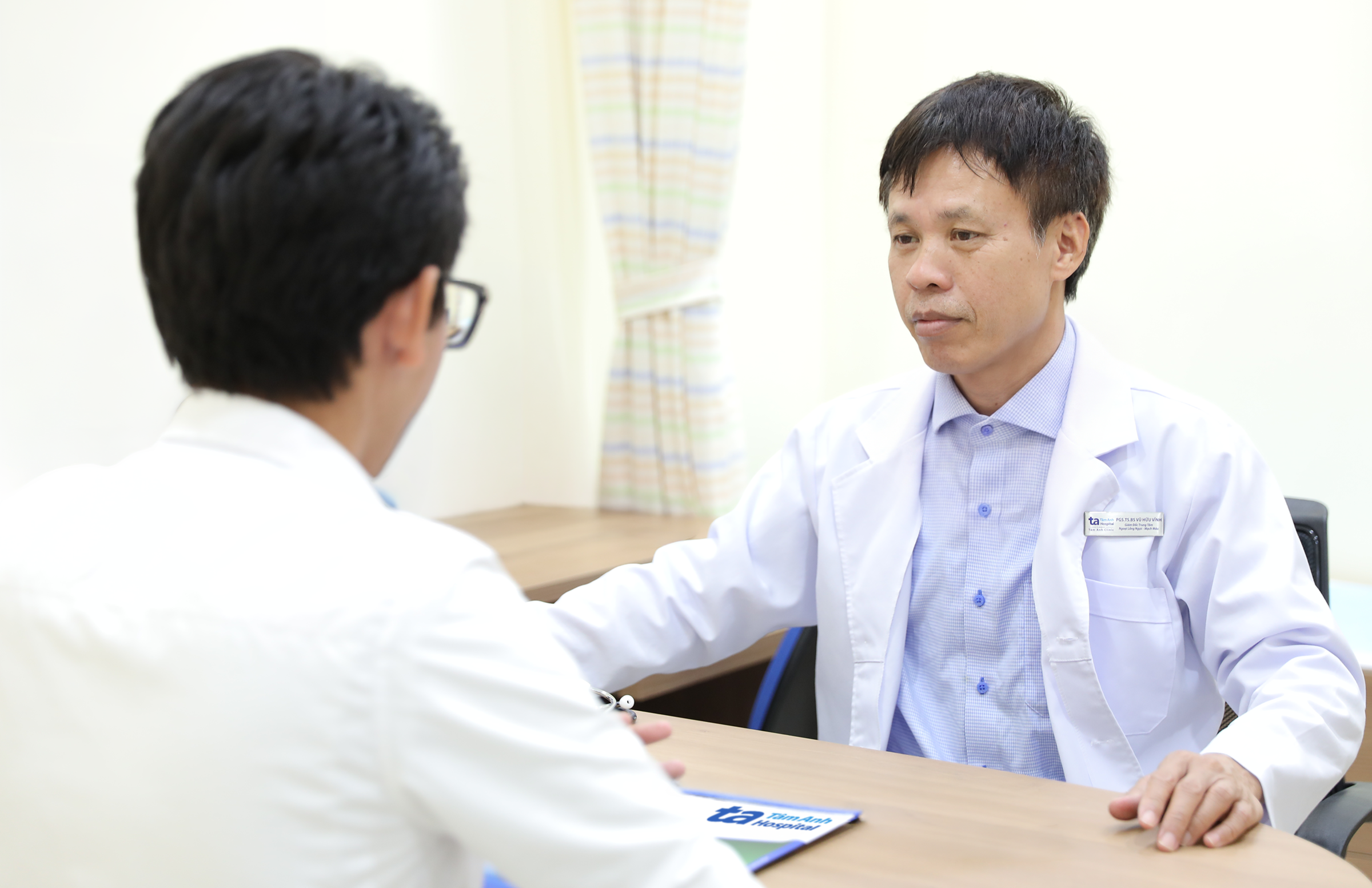 |
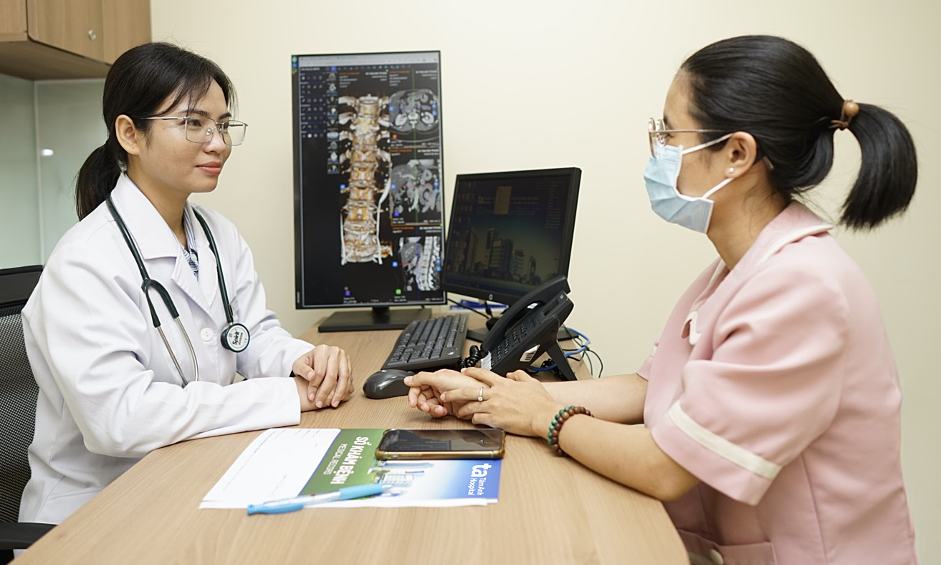
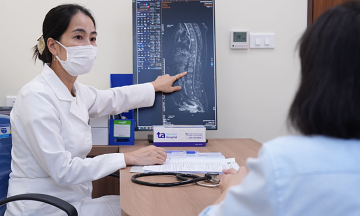
Associate Professor Vinh advises a pectus excavatum patient. Photo: Tam Anh General Hospital. |
Movement Precautions
Patients should avoid long motorcycle rides and bumpy roads. Instead, opt for smooth transportation and limit prolonged sitting. A thin pillow placed over the chest can help reduce vibrations and prevent seatbelts from pressing directly on the surgical site.
When flying, patients must carry a hospital certificate confirming the metal bar placement. This document should be presented at security checkpoints to ensure a smooth screening process.
Avoid Side or Stomach Sleeping
Patients should sleep on their back, avoiding side or stomach positions. This limits pressure on the chest, preventing rib cage displacement, prolonged pain, and adverse effects on the surgical scar's appearance.
Avoid Strenuous Activity
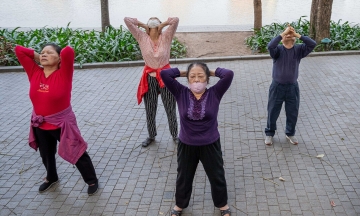
During recreational activities, patients should only engage in gentle walking and deep breathing exercises to expand the lungs. Avoid strenuous activities, contact sports, running, jumping, and swimming, as these can dislodge the pectus bar, cause severe pain, and potentially require corrective re-surgery.
Associate Professor Vinh advises patients to take medication as prescribed. If unusual symptoms arise, such as: sudden and severe chest pain, difficulty breathing, swelling at the surgical site, or suspected recurrence of chest deformity, patients should seek immediate examination at the nearest hospital with a thoracic surgery department.
Bao Anh