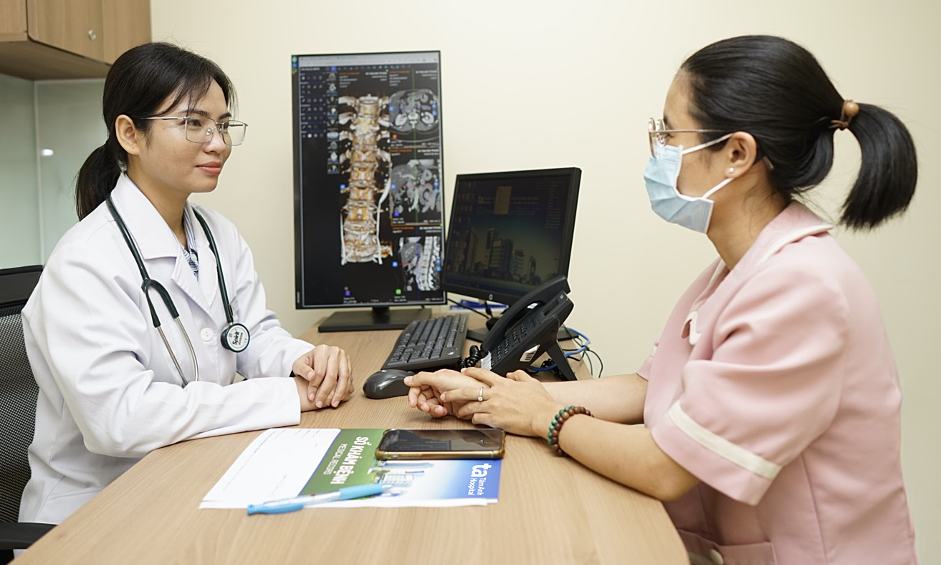
Dr. Hoang Quyet Tien, from the Medical Information Center at Tam Anh General Hospital, TP HCM, explains that seasonal transitions from sunny to rainy weather, marked by rapid temperature drops and increased humidity, significantly exacerbate joint pain and stiffness in older adults, affecting daily life. When temperatures decrease, blood vessels constrict, reducing circulation to the joints. Additionally, changes in atmospheric pressure can affect the pressure within the joint capsule, making patients perceive pain more acutely.
Degenerative conditions are more pronounced in older adults, characterized by degenerated cartilage, reduced synovial fluid, and less flexible muscles surrounding the joints. These seasonal weather changes easily make joints stiff, painful, and difficult to move, particularly after waking or prolonged sitting.
According to Dr. Tien, adopting a structured lifestyle can significantly alleviate joint pain symptoms in older adults during seasonal transitions.
Relaxing the musculoskeletal system helps reduce joint stiffness. Older adults can gently massage the affected joints for 5-10 minutes, incorporating simple stretching exercises such as wrist and ankle rotations, and knee bends and extensions, to enhance blood circulation in the joints.
Maintaining appropriate physical activity promotes synovial fluid circulation, supports cartilage nourishment, and preserves the flexibility and resilience of the musculoskeletal system. Older adults should choose suitable exercises and practice at a moderate intensity, for about 30 minutes daily, depending on their joint health. However, it is crucial to select appropriate exercise times, avoid sudden temperature changes (either too cold or too hot), and warm up thoroughly before the main workout.
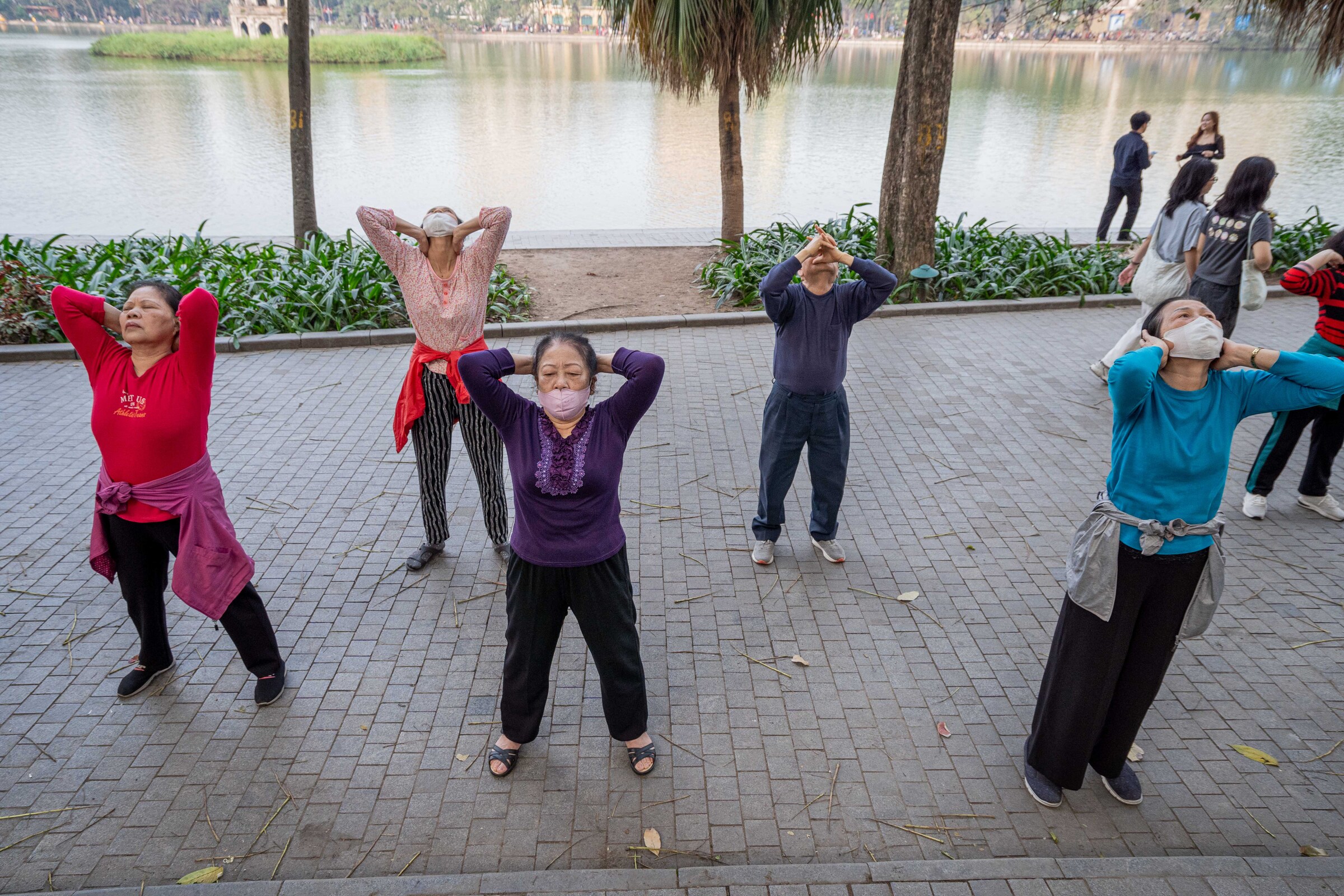 |
Older adults exercising by Hoan Kiem Lake. Photo: Hoang Giang |
Older adults exercising by Hoan Kiem Lake. Photo: Hoang Giang
Weight management helps reduce direct pressure on weight-bearing joints such as the knees, hips, and spine. Maintaining a stable, reasonable weight alleviates stress on the joints and can slow the progression of joint degeneration in older adults.
A proper and balanced diet, rich in protein, vitamins, and minerals like calcium and omega-3, contributes to supporting musculoskeletal health. Older adults should increase their intake of green vegetables, fish, milk, legumes, and nuts. They should limit red meat, fast food, organ meats, greasy foods, and those that are overly salty or sour.
According to Dr. Tien, older adults also need to address inflammation and protect joint cartilage structures. Certain natural active ingredients, such as undenatured type II collagen, collagen peptides, eggshell membrane, turmeric extract, and chondroitin sulfate, play a role in supporting immune regulation, reducing inflammation and pain, thereby protecting joint cartilage and slowing the process of joint degeneration.
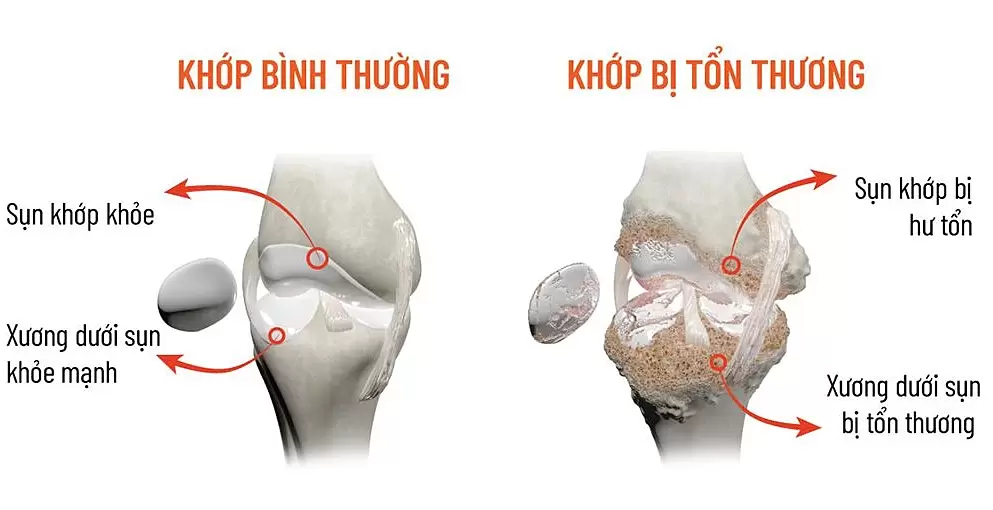 |
Damaged joint structures can intensify pain when the weather changes. Photo: Eco Pharmaceutical Joint Stock Company |
Damaged joint structures can intensify pain when the weather changes. Photo: Eco Pharmaceutical Joint Stock Company
Regular health monitoring and periodic check-ups are essential for early detection, timely treatment, and preventing complications that could affect long-term mobility.
If symptoms such as persistent pain, swollen and warm joints, restricted movement, or progressively worsening pain appear, patients should seek medical examination for proper assessment and treatment.
Dinh Dieu
| Readers can submit questions about musculoskeletal diseases here for doctors to answer. |