


Radioactive iodine I-131 treatment is a standard and widely used method for thyroid cancer, particularly for differentiated forms (papillary and follicular types) after surgery.
Thyroid cells selectively absorb the I-131 isotope, which primarily concentrates in any remaining thyroid tissue or cancer cells. It then emits beta rays, destroying cancer cells while minimally affecting healthy tissue.
I-131 treatment follows strict control. Nuclear medicine specialists carefully calculate doses based on disease stage, histopathological characteristics, and recurrence risk.
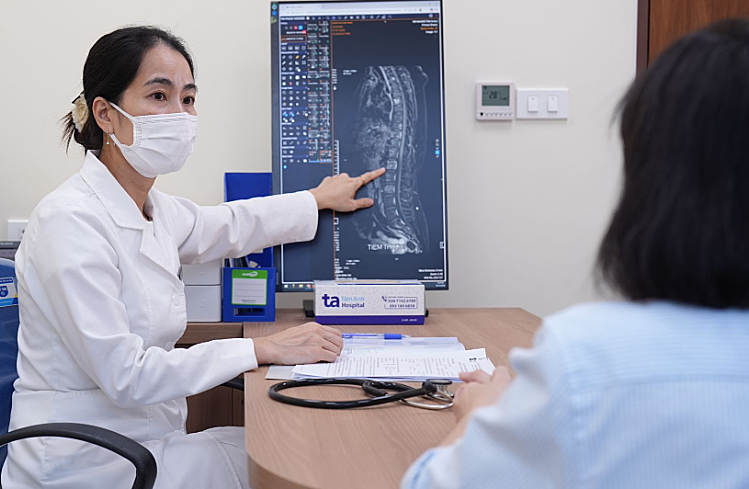 |
Doctor Binh explains the mechanism of thyroid cancer metastasis to a patient. Illustration: Tam Anh General Hospital |
During treatment, patients limit contact with others, especially young children and pregnant women. They also adhere to the prescribed isolation period in a designated room.
Patients take one I-131 dose as a capsule or solution. Isolation duration depends on the treatment dose and measured radiation level post-administration, typically lasting a few days. For lower doses, patients may receive outpatient monitoring and practice contact restrictions at home for a short time. Doctors provide specific assessments for suitable recommendations in each case.
I-131 may cause side effects like dry mouth, altered taste, or salivary gland swelling as iodine concentrates in these glands. Most symptoms improve within a few days to weeks.
I-131 treatment reduces recurrence risk and supports long-term disease control. Patients should visit a hospital and adhere to their doctor's treatment instructions and safety guidelines for optimal effectiveness.
Doctor Tran Hai Binh
Deputy Head, Oncology Department
Tam Anh Cau Giay Polyclinic


