The liver is central to metabolism and detoxification. Most food consumed passes through the liver for processing and elimination. Kupffer cells within the liver identify and remove harmful agents, while regulating inflammatory responses.
Master, Doctor Doan Vinh Binh from the Medical Information Center, Tam Anh General Hospital TP HCM, states that when the liver receives large amounts of toxins over a prolonged period, metabolic processes become overloaded, and kupffer cells become overactive, increasing the risk of damage.
Pain relievers, fever reducers
Some pain relievers and fever reducers, commonly used for headaches and musculoskeletal pain, contain the active ingredient paracetamol. The habit of taking medication every time one experiences a headache or body aches, or combining multiple drugs without a doctor's prescription, can lead to paracetamol accumulation in the body.
Doctor Binh explains that this substance is primarily metabolized in the liver, producing a toxic intermediate called NAPQI. Normally, NAPQI is neutralized by glutathione. However, with overdose or prolonged use, glutathione levels can decline, causing NAPQI to accumulate and damage liver cells.
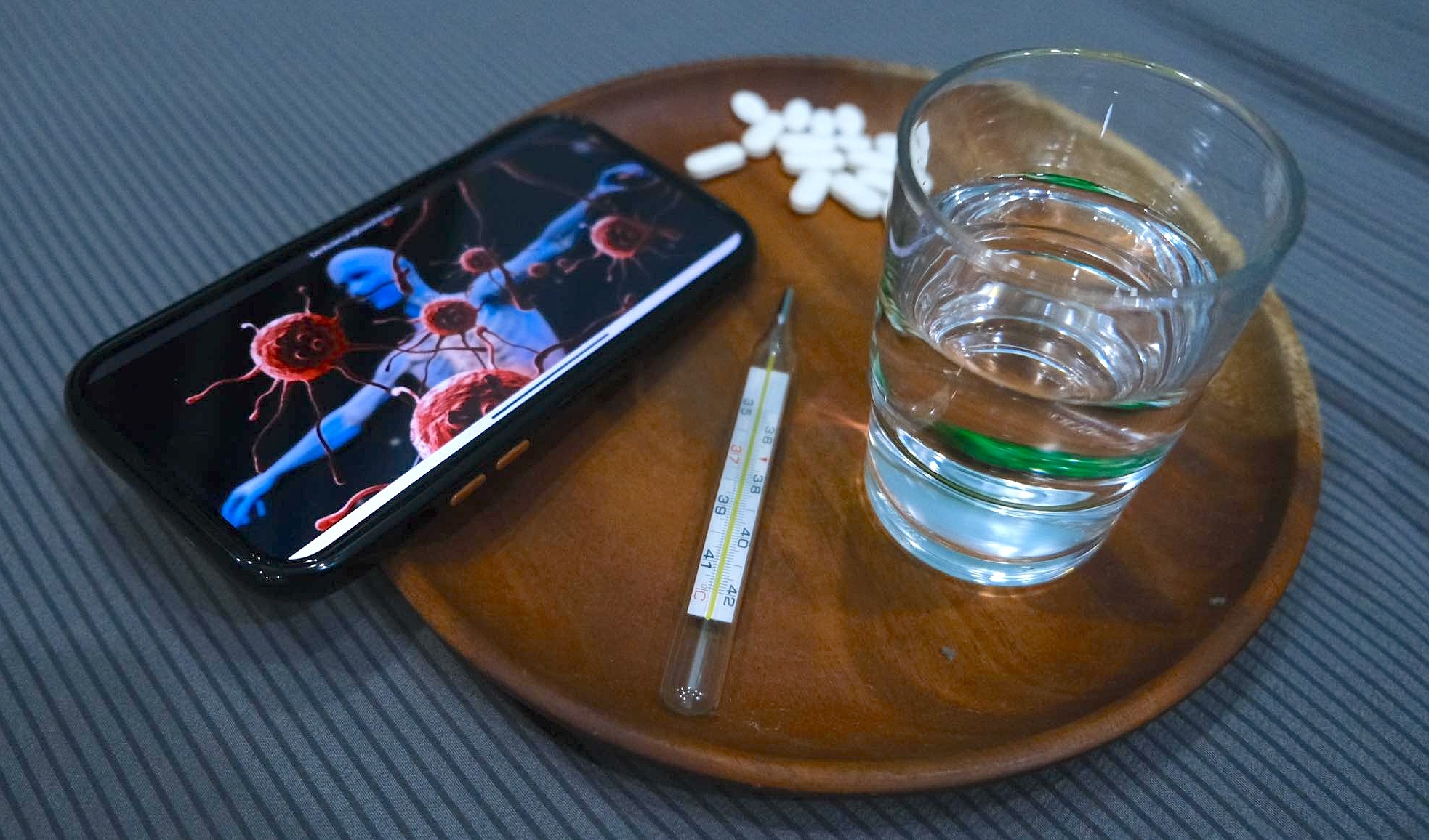 |
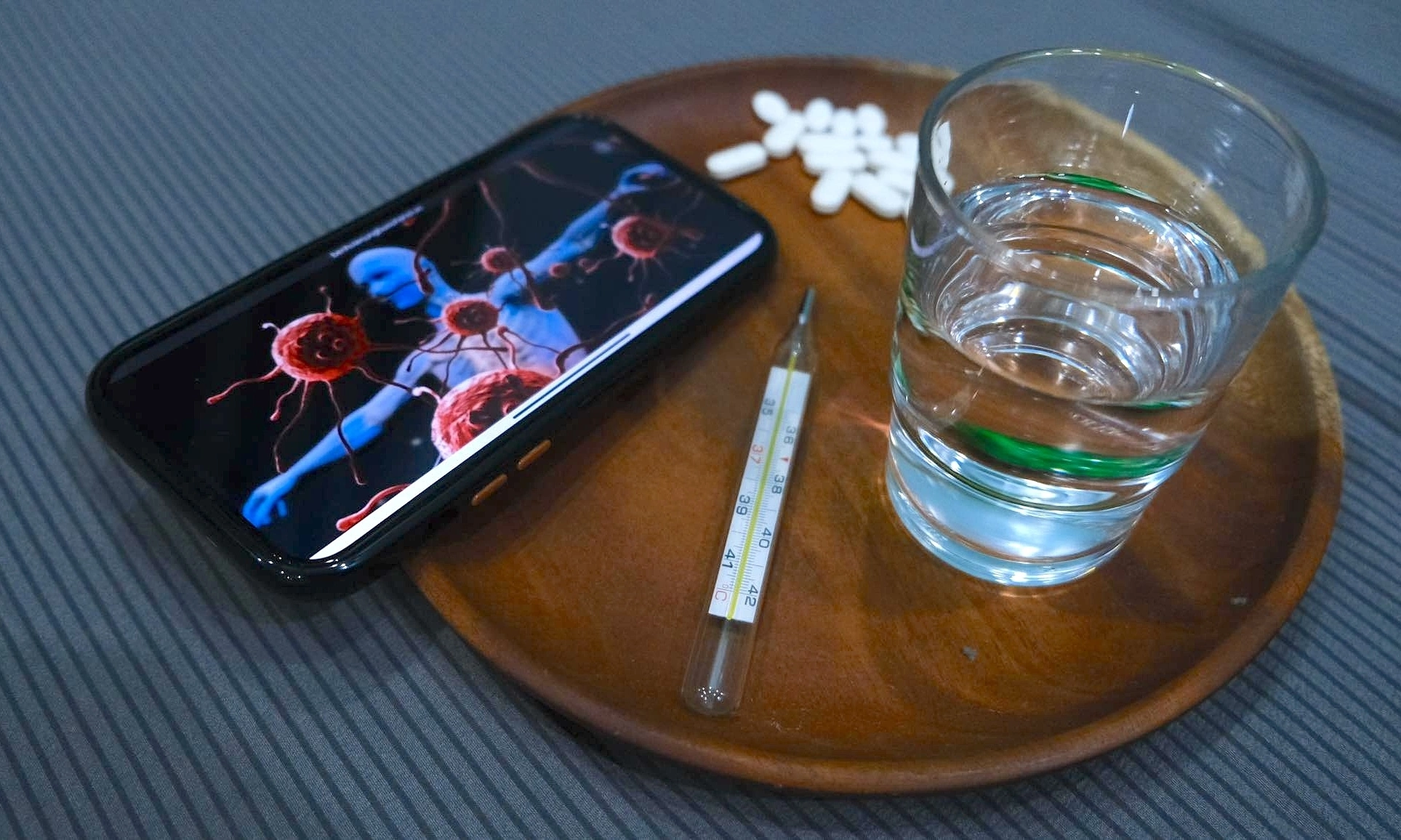
Prolonged self-medication with pain relievers can cause liver damage. *Photo: Anh Chi*
Alcohol
Ethanol, the alcohol found in alcoholic beverages, is primarily metabolized in the liver. This process creates acetaldehyde, a substance highly toxic to liver cells. Simultaneously, alcohol increases oxidative stress, promotes inflammatory responses, and disrupts fat metabolism within the liver.
Many individuals do not drink to the point of intoxication but consume alcohol frequently throughout the day, forcing the liver to repeatedly metabolize ethanol over long periods. This can lead to fatty liver disease, alcoholic hepatitis, and cirrhosis.
Environmental chemicals
According to Doctor Binh, frequent exposure to pesticides, herbicides, industrial solvents, paints, fuels, and detergents is detrimental to health. These substances can enter the body through respiration or skin contact, continuously absorbing into the bloodstream. When accumulation exceeds the liver's capacity, it can lead to the death of liver cells, causing toxic hepatitis.
Foodborne toxins
Moldy or spoiled foods can contain bacteria and aflatoxins produced by aspergillus fungi. When these foods are consumed, the liver becomes overloaded in its effort to detoxify bacterial and mold toxins, which can easily lead to acute liver poisoning and long-term destruction of liver cells.
Doctor Binh notes that unregulated homemade alcohol, foods containing uncontrolled additives, or prohibited substances used in animal husbandry can also increase the liver's metabolic burden.
To protect the liver, Doctor Binh advises individuals to limit alcohol consumption, use medication strictly as prescribed by a doctor, avoid chemical exposure, and undergo regular liver function monitoring if at risk. Establishing a scientific diet, adequate rest, and consistent exercise is recommended. Additionally, regular supplementation with natural extracts from wasabia and s.marianum can help enhance detoxification and protect the liver by controlling excessive kupffer cell activity, thereby reducing inflammation and liver damage.
Dinh Dieu
| Readers can ask questions about digestive diseases here for doctors to answer. |