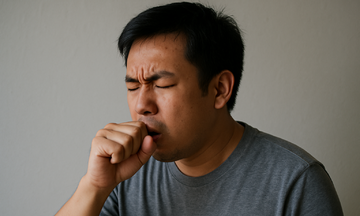
Headaches are a common neurological symptom during holidays, often manifesting as a dull ache, heavy head, tension in the forehead and temples, or a throbbing pain. The cause is not only due to lack of sleep and stress but also directly related to prolonged irregular eating habits.
According to Dr. Dao Thi Yen Thuy, Head of the Department of Nutrition and Dietetics at Tam Anh General Hospital, Ho Chi Minh City, many holiday dishes can affect neurotransmission, cerebral circulation, or water-electrolyte balance, thereby initiating or worsening headaches, especially in individuals with sensitive constitutions.
Processed meats such as sausages, cold cuts, cured pork sausage, and ham often contain nitrates and nitrites – preservatives capable of dilating cerebral blood vessels. In some sensitive individuals, this vasodilation can trigger headaches or migraines, particularly when consumed in large quantities at consecutive holiday gatherings.
Alcoholic beverages are the most common factor causing holiday headaches. Alcohol dilates cerebral blood vessels while also causing dehydration and electrolyte imbalance, making the brain more sensitive to pain. Some red wines and dark beers also contain biogenic amines that can trigger headaches in people prone to migraines.
Sweets and soft drinks cause blood sugar to rise rapidly then drop sharply, depriving the brain of a stable energy source. This fluctuation can easily cause headaches, dizziness, and reduced concentration, especially when sugary foods replace main meals or are consumed frequently throughout the day.
 |
Processed foods can trigger headaches or migraines. _AI-generated image_
Fried foods and those high in trans fats, such as fried chicken, french fries, and snack cakes, slow down digestion and increase inflammatory responses in the body. The inflammation and metabolic disturbances after a greasy meal can affect cerebral circulation, leading to a prolonged feeling of a heavy head and fatigue.
Salty dishes like dried foods, fermented fish paste, grilled items, and canned goods, if consumed in large quantities during the holidays without adequate water intake, can easily cause sodium imbalance. This condition increases osmotic pressure in the blood, leading to headaches, dry mouth, and dizziness, especially in older adults.
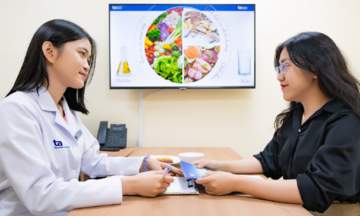
To limit headaches during the holiday season, Dr. Yen Thuy advises everyone to eat moderately, not skip meals, and reduce alcohol, sweets, and salty foods. Drinking enough water and prioritizing fresh foods rich in magnesium and vitamin B (green vegetables, nuts, fish) helps stabilize the nervous system and cerebral circulation. Certain natural essences such as blueberry and ginkgo biloba can enhance blood flow to the brain, improve neural connections, and reduce headaches and insomnia.
Individuals experiencing prolonged, recurrent headaches over several days or those accompanied by nausea, visual disturbances, or numbness and weakness in limbs should consult a neurologist to determine the cause and avoid self-medicating with painkillers. Doctors will examine, review medical history and lifestyle, and may order tests or scans to rule out dangerous causes. Depending on the case, treatment may combine medication, lifestyle and nutritional adjustments, and non-invasive methods such as transcranial magnetic stimulation.
Trong Nghia
| Readers can submit nutrition questions here for the doctor to answer. |