 |
White bread, made from refined flour, contains little fiber. It can slow bowel movements, resulting in dry, hard stools and increasing the risk of constipation. To prevent this, limit refined flour products and choose whole grains like oats, brown rice, quinoa, or plain popcorn instead. According to Very Well Health, adults need about 25-35 g of fiber daily. |
A lack of fiber reduces bowel movements, increasing the risk of constipation. Certain foods can also exacerbate this condition.
Sausages are high in fat and low in fiber, which slows digestion and bowel movements. This leads to dry, hard stools that are difficult to pass. These foods also contain high levels of salt, nitrates, and preservatives, all of which can contribute to worsening constipation.
 |
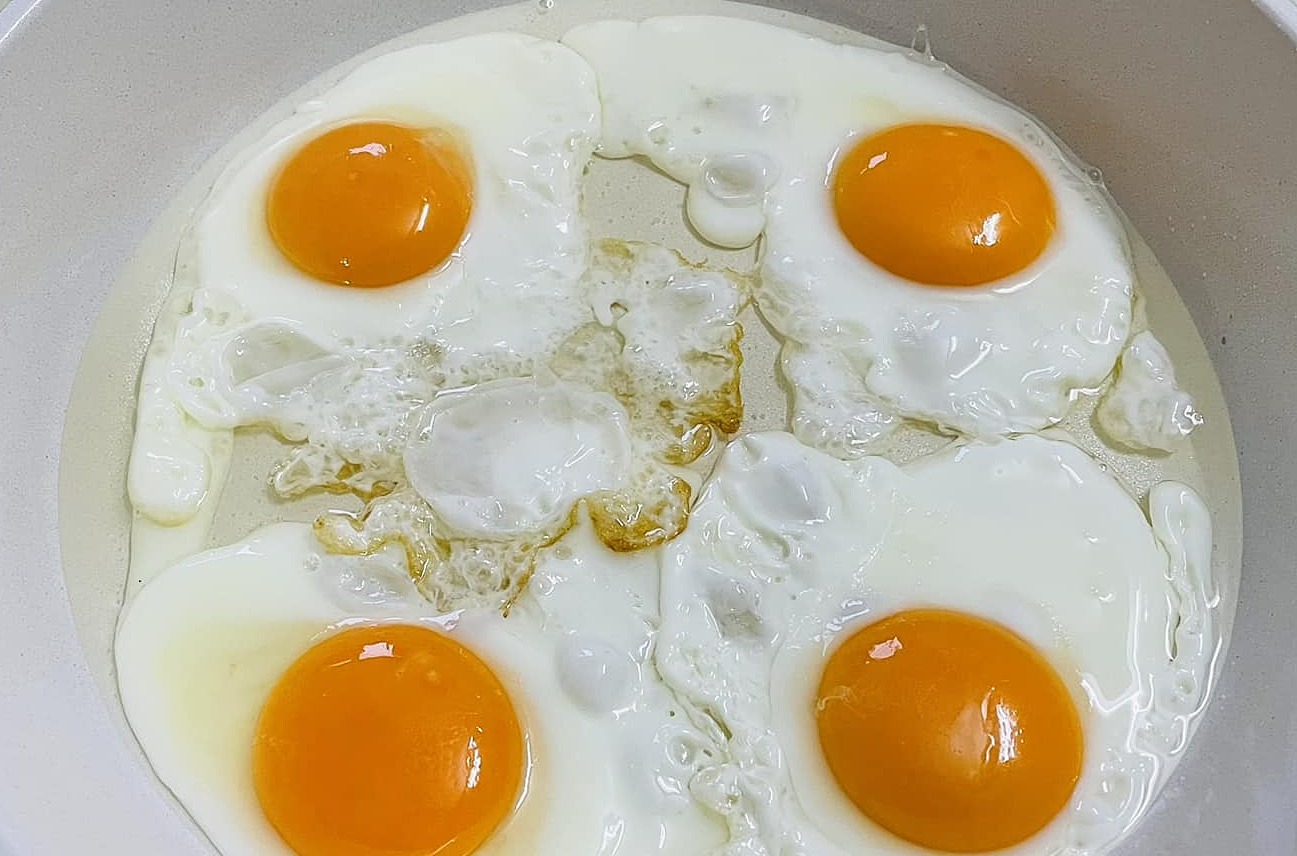
Eggs lack fiber and are rich in protein and fat. Consuming them in excess without sufficient green vegetables, fruits, and water can increase the risk of constipation. A balanced diet with adequate fiber supports digestion and helps prevent this condition. |
 |
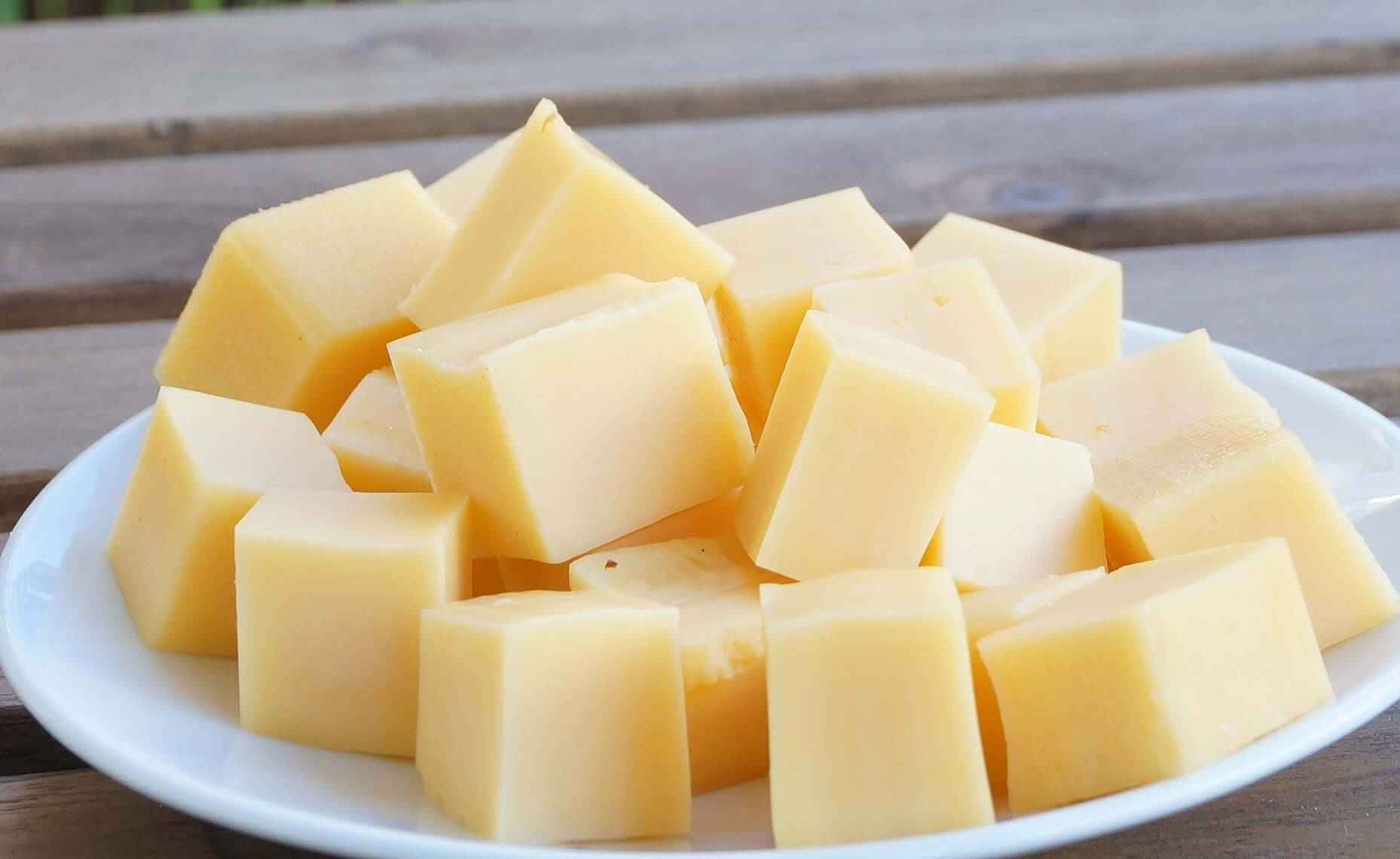
Cheese is low in fiber but high in fat. Eating a lot of cheese without consuming enough green vegetables, fruits, and water can increase the risk of constipation. For individuals with lactose intolerance, some types of cheese can also cause bloating, abdominal distension, or general digestive discomfort. |
 |
Fried chicken is often deep-fried, resulting in a high saturated fat content that can slow the digestive process.
According to WebMD, a diet high in saturated fat increases the risk of constipation and can worsen symptoms, especially in older adults with aging bowel function. Individuals experiencing constipation should avoid french fries, fried chicken, donuts, and other deep-fried dishes.
 |
Anh Chi (Compiled)
Photos: Anh Chi, AI