


 |
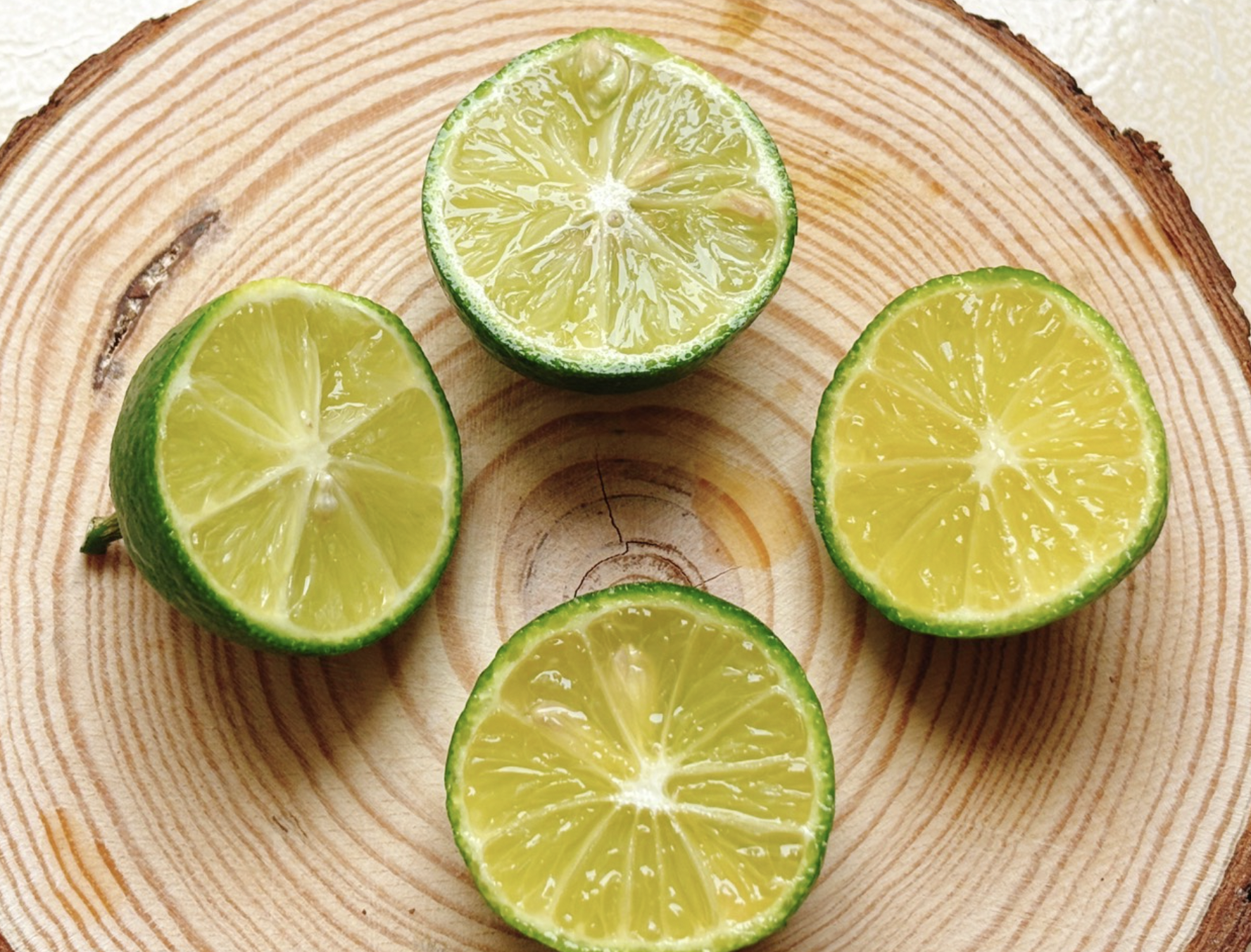
Lemon: This fruit provides natural citrate, which can help limit kidney stone formation, especially calcium oxalate stones, by binding with calcium and reducing mineral deposition. Lemon is also rich in vitamin C, contributing to the body's antioxidant capacity. Adding lemon juice to daily drinks enhances flavor and hydrates the body, a crucial factor in supporting and protecting kidney function. |
 |
Pineapple: Beyond its delicious taste, pineapple fits well into a kidney-friendly diet. This fruit is rich in vitamin C, manganese, and fiber, containing plant compounds with anti-inflammatory and antioxidant properties that support kidney health. Pineapple also provides bromelain, an enzyme with anti-inflammatory effects. Its natural sweetness makes pineapple a good choice for dessert or a snack. |
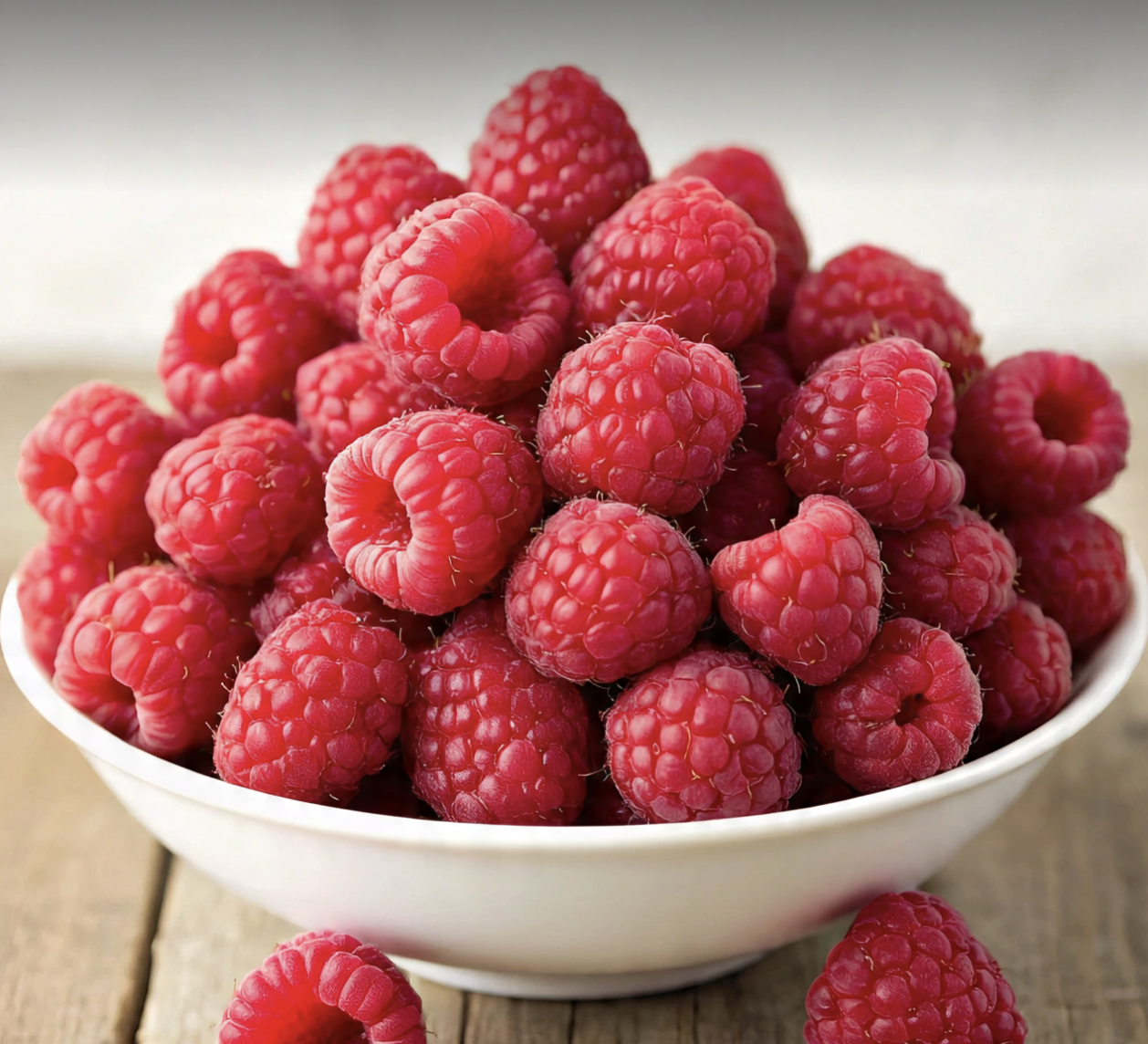 |
Raspberry: This fruit is a rich source of fiber, with each cup providing about 8 g, which helps stabilize blood sugar and supports digestive function. Blood sugar control is key in preserving kidney function, especially for people with diabetes, a risk factor for chronic kidney disease. Raspberries also provide vitamin C, manganese, and antioxidants that help reduce inflammation. |
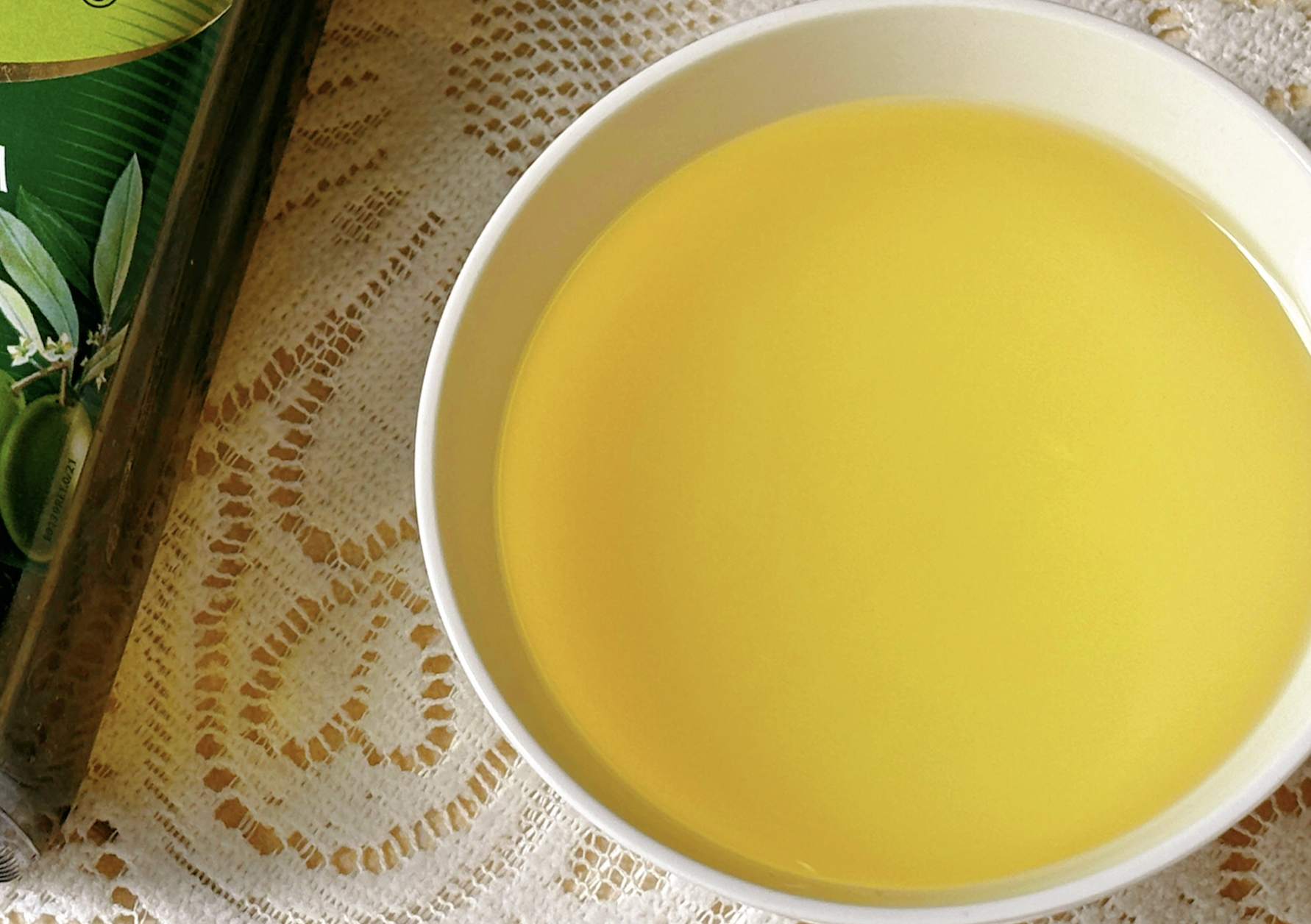 |
Olive oil: A diet low in saturated fats not only reduces cardiovascular risk but also benefits the kidneys. Olive oil is a good choice for baking and salad dressings. It contains no sodium, potassium, or phosphate but is rich in unsaturated fats and antioxidants like polyphenols, which can reduce inflammation and protect kidneys from oxidative stress. |
 |
Water: Water helps kidneys excrete waste and maintain blood circulation. Drinking enough water reduces the risk of kidney stones and urinary tract infections. Adults should drink about 1,8-2 liters daily, depending on their physical condition and activity level. |
Bao Bao (According to Eatingwell, Times of India)
Photos: Bao Bao, Bui Thuy, AI


