Precocious puberty is when secondary sexual characteristics appear before 8 years old in girls and before 9 years old in boys. Children may experience rapid growth initially, but this growth often stops prematurely, potentially affecting their adult height.
Master, Doctor Hoang Thi Hang, from the Nutrition Department at Tam Anh General Hospital Hanoi, states that diet impacts weight, height growth rate, bone health, and metabolism. Children with precocious puberty should follow these nutritional principles.
Eat adequately to manage weight
Overweight and obesity are factors linked to precocious puberty. Parents should monitor children's weight and height using growth charts to accurately assess their nutritional status, rather than just observing or comparing them to peers.
The diet should provide sufficient energy and age-appropriate recommended nutrients. Children should eat a variety of protein-rich foods such as meat, fish, eggs, and milk. They should also consume enough green vegetables and fruits to supply fiber, vitamins, and minerals like calcium, iron, and zinc. Limit fried foods high in fat, which increase the risk of overweight and obesity.
 |
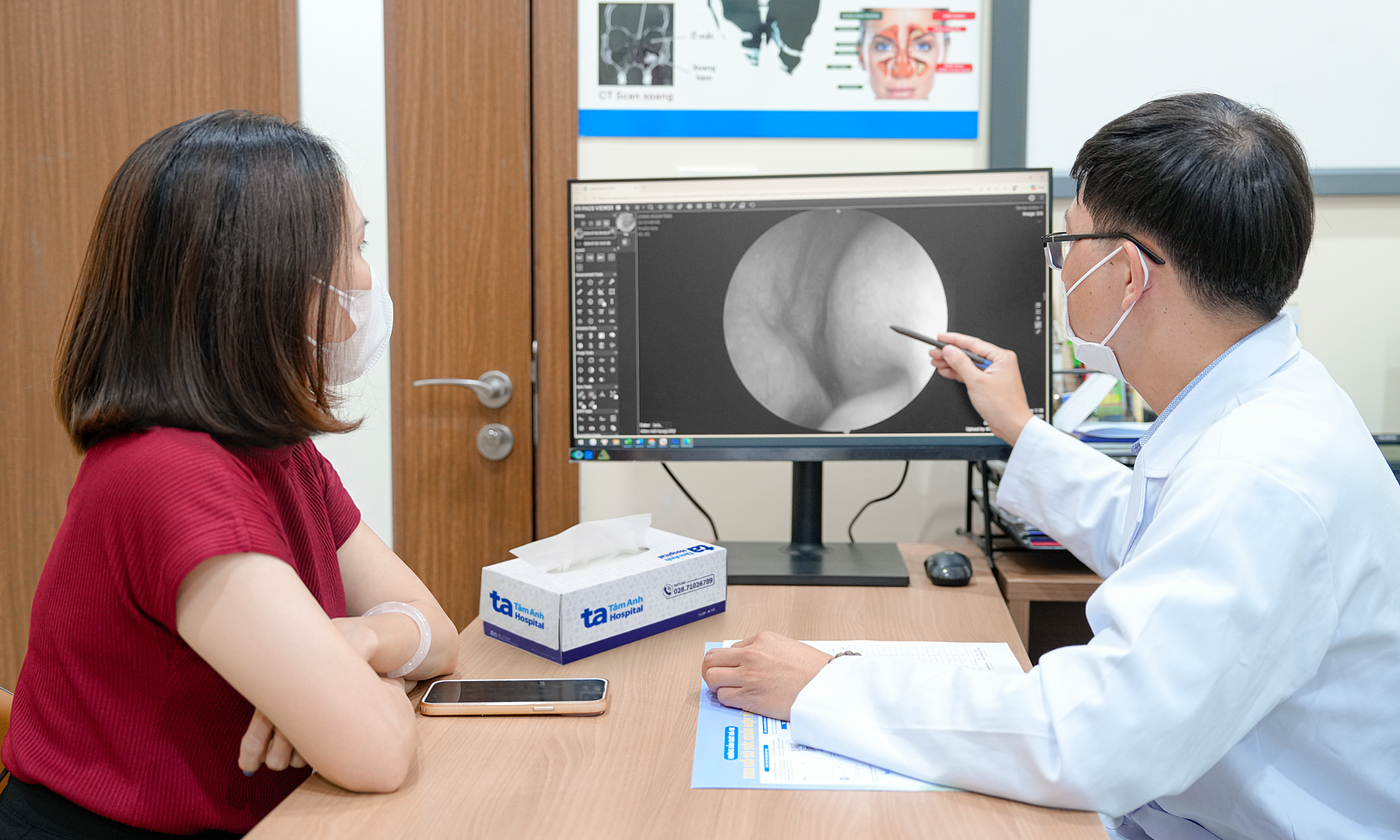
Doctor Hang provides nutritional counseling for children. Photo: Tam Anh General Hospital |
Reduce sugar intake
Soft drinks, milk tea, canned fruit juices, dried fruits, candies, ice cream, and snacks provide high energy but few micronutrients. Frequent consumption can lead to excess energy, weight gain, and an increased risk of metabolic disorders.
Parents should encourage children to drink enough water and break the habit of consuming sugary drinks. Children in puberty should drink 500 ml of milk a day; those at risk of being overweight or obese should choose unsweetened, low-fat fresh milk. Fruits should be eaten whole instead of juiced to provide more fiber and limit rapid sugar absorption after meals.
Ensure adequate nutrients for bones
Children with precocious puberty require sufficient vitamins and minerals essential for bone growth, such as calcium, vitamin D, magnesium, and vitamin K2. This is a rapid growth phase, and nutrient deficiencies can affect muscle mass, bone density, and height.
Calcium is found in milk, yogurt, cheese, small fish eaten with bones, and shrimp. Vitamin D is absorbed from sunlight and foods like eggs, milk, and mushrooms. Parents should not give children high doses of calcium or vitamin D without medical guidance.
Avoid self-administering supplements
Many parents worry that children with precocious puberty will be short, so they seek "height-boosting" products and give them to their children long-term. Doctor Hang warns that these products may not be safe and could affect children's health.
Do not skip meals, eat on time
To ensure a nutritionally adequate diet, children need regular meal times, should avoid skipping breakfast, and refrain from eating too late. Stable mealtimes help children control their energy intake, reduce emotional snacking, and support maintaining a healthy weight.
In addition to diet, children should maintain a healthy lifestyle, get enough sleep, and exercise regularly to expend energy, increase muscle mass, and support bone health.
Doctor Hang advises parents to take children for examination if they show signs of precocious puberty. A doctor can assess bone age, conduct endocrine tests, and provide a suitable dietary plan for each child.
Van Anh
| Readers can ask questions about nutrition here for doctors to answer. |