According to China Times, the young woman made the extreme decision to stop eating and switch to a fasting cycle once every two days. She believes she remains safe, having never collapsed or fainted in the outdoor heat. Her decision is not an isolated case but reflects an underlying syndrome affecting the young working generation in the world's 4th largest economy.
A nationwide survey released by Nikkei in August found that 34% of the population aged 15 to 49 actively skip at least one meal per week. This figure surged to 41% among young people aged 18 to 24 and reached 37% among high school students.
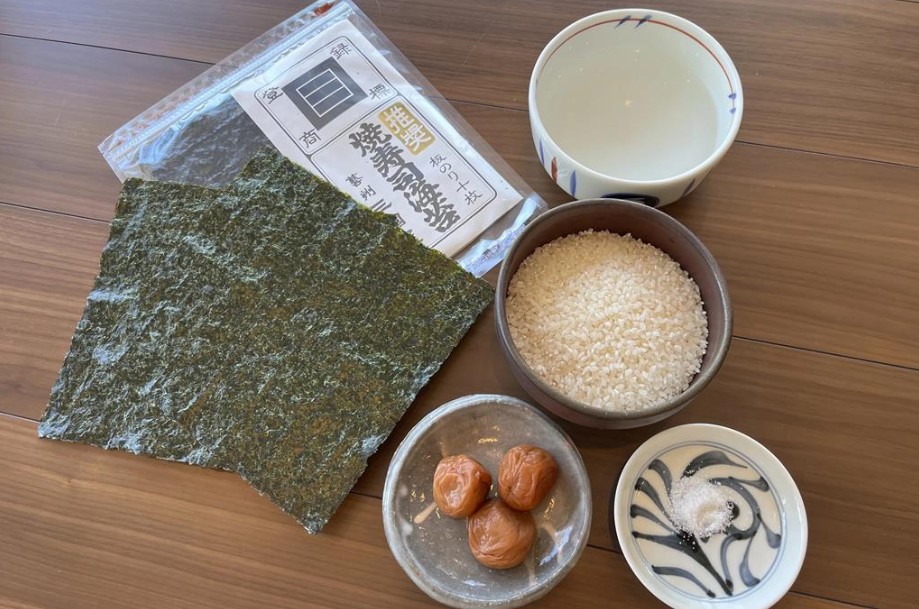 |
Photo: AP |
This phenomenon developed from an internet slang trend called "cancel," where young people declare they are canceling basic life needs. This ranges from neglecting personal hygiene and abandoning cooking to cutting out daily meals. Since 2024, phrases like "cancel showering" and "cancel cooking" have gained traction on social media. By this summer, "cancel eating" became the next distorted trend.
The root of this meal-skipping wave stems from a fierce struggle between rising living costs due to inflation and the explosion of the attention economy. Researcher Toranosuke Oda at consumer analytics company INTAGE confirms that young people now prioritize social connection, sleep, and idol culture over basic nutritional needs.
Demanding work schedules and smartphones constantly bombarding them with information after work deplete their remaining energy. This leads workers to experience a loss of appetite due to nervous exhaustion.
A 29-year-old male employee shared that he often postpones meals when tired, especially when his smartphone continuously bombards him with information, leaving him exhausted after work. "I just want to relax my mind and do nothing, so I feel it's okay to eat a bit later," he said.
The explosion of information and consumer stimulation waves on smartphones constantly compete for young people's time and finances, forcing them to cut their food budgets. At the same time, expensive food prices make dining the first burden to be removed from personal spending calculations.
Experts view this behavior as a ticking time bomb threatening public health. Professor Yohei Mikami of Chiba University of Commerce states that normalizing the term "cancel meals" distorts social perception, leading the community to mistakenly believe it is a freedom of choice rather than recognizing the true nature of impoverishment.
Prolonged fasting can deplete muscle mass, damage metabolic functions, and cause silent malnutrition that regular tests may not immediately detect. Professor Mikami advises families, colleagues, and healthcare organizations to proactively intervene in unusual meal-skipping behaviors among young people, rather than abandoning them to illusions about their body's endurance.
From "cancel showering" to "cancel eating," it might sound like just another new internet slang created by Japanese youth. However, AERA DIGITAL points out that when the "canceled" item is food, an essential need for survival, the nature of the situation is entirely different from typical forms of cancellation.
"What society truly needs to distinguish is whether young people are voluntarily choosing to skip meals, or if they are being 'forced to eat less' due to burdens of time, money, and life pressures?" an expert notes.
By Binh Minh (Source: China Times, Nikkei)