Chia seeds
According to Verywell Health, chia seeds are rich in alpha-linolenic acid (ALA), an essential plant-based omega-3 that the body cannot produce on its own. Two tablespoons (28 g) of chia seeds provide over 5 g of ALA.
Adult men need about 1,6 g of ALA daily, while women require about 1,1 g; pregnant and breastfeeding women have higher needs. After absorption, a small portion of ALA converts into EPA and DHA – two omega-3 forms vital for cardiovascular health, brain function, and inflammation control.
Beyond omega-3s, chia seeds contain fiber, protein, calcium, magnesium, and other minerals, supporting digestion, maintaining bone health, and boosting overall nutrition.
Flax seeds
28 g of flax seeds provide nearly 6,5 g of ALA. Regular consumption of flax seeds can help improve cholesterol, support blood pressure control, and reduce inflammation. In addition to omega-3s, flax seeds are rich in fiber and lignans, plant compounds with heart-healthy antioxidant properties.
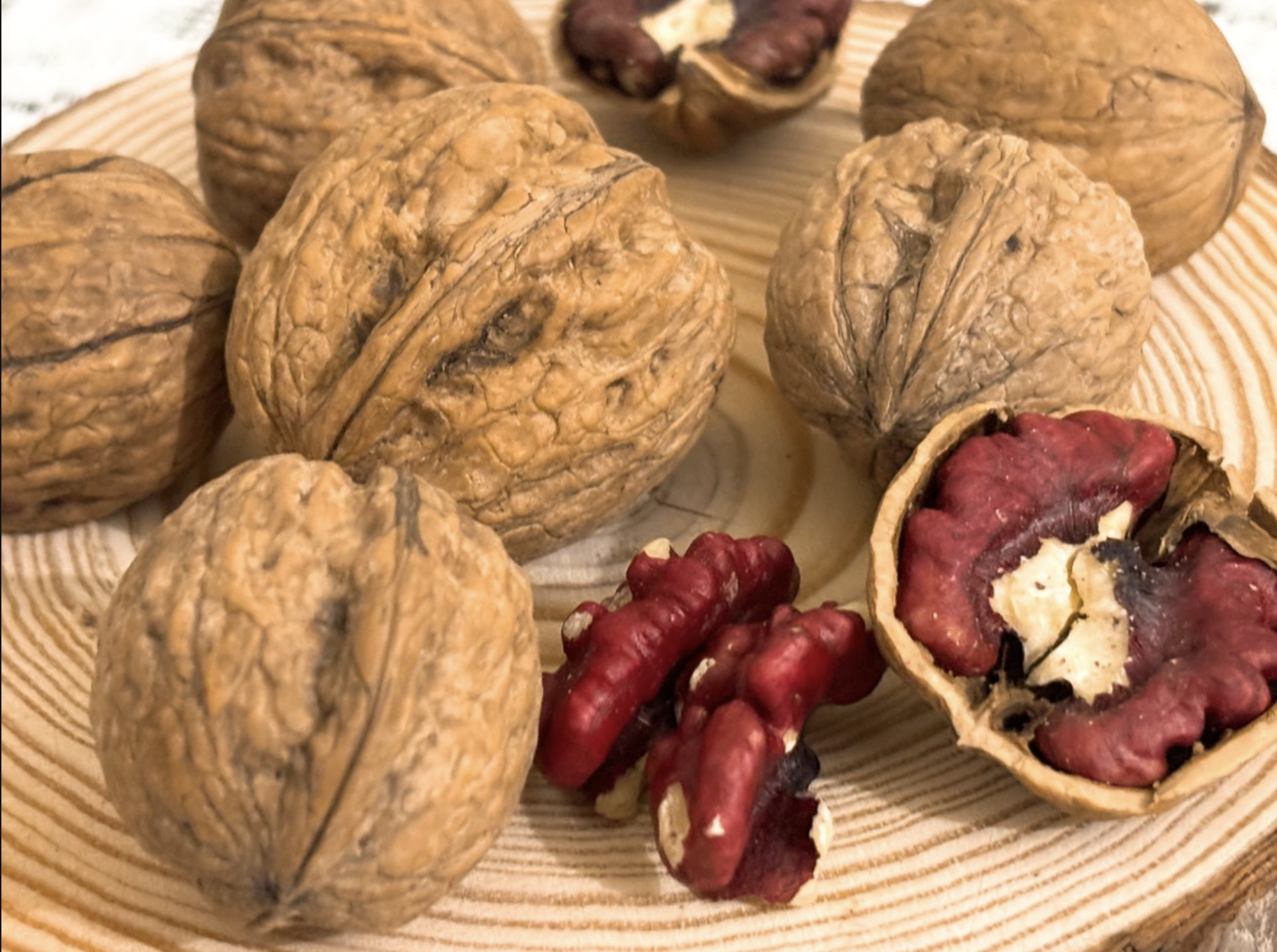 |
Walnuts are rich in omega-3s, beneficial for health. Photo: Bao Bao |
Walnuts
Eating a small handful of walnuts regularly can help meet the body's ALA needs. These nuts also contain fiber, vitamin E, and antioxidant compounds. You should eat them as a snack or combine them with salads, yogurt, oatmeal, or smoothies to boost their nutritional value, according to Eating Well.
Pumpkin seeds
Pumpkin seeds offer plant-based omega-3 fatty acids (ALA) along with many important micronutrients. A diet including pumpkin seeds helps lower cholesterol, reduce blood pressure, and protect cardiovascular health. The fatty acids in this food also have anti-inflammatory effects, while abundant magnesium and zinc boost immunity and support many vital bodily functions.
Pistachios
Pistachios contain a quantity of plant-based omega-3s (ALA), rich in protein, fiber, vitamins, minerals, and antioxidants. Eating an appropriate amount of pistachios can help prolong satiety, contribute to blood sugar control, and maintain a healthy weight.
Each person can eat about a small handful of pistachios (28-30 g) daily, prioritizing unsalted or lightly salted roasted varieties. They can be consumed as a snack or combined with yogurt, oatmeal, or salads.
Le Nguyen (Compiled)
| Readers can submit nutrition questions here for a doctor's response |