


Melanin, the pigment that determines individual skin color, plays a crucial role in protecting skin from the sun's ultraviolet (UV) rays. This skin pigment is produced by melanocytes, cells scattered in the basal layer of the epidermis. Excessive exposure to harmful factors can overstimulate melanin production, leading to dull, darkened skin, and the appearance of melasma and freckles.
Pharmacist Do Xuan Hoa, from the Medical Information Center at Tam Anh General Hospital, Ho Chi Minh City, states that both external and internal factors can cause skin to become dull and dark.
**UV rays from sunlight**
Upon UV exposure, the body increases melanin production to protect skin cells from damage. UVA and UVB rays in sunlight can also destroy collagen in the skin, accelerating aging. Concurrently, they prompt skin cells to produce matrix metalloproteinases (MMPs), enzymes that break down fibrous proteins and proteoglycan molecules, causing skin to lose its firmness and radiance. Areas frequently exposed to sunlight, such as the cheekbones, nose, forehead, or back of the hands, are more prone to becoming dull and darkened.
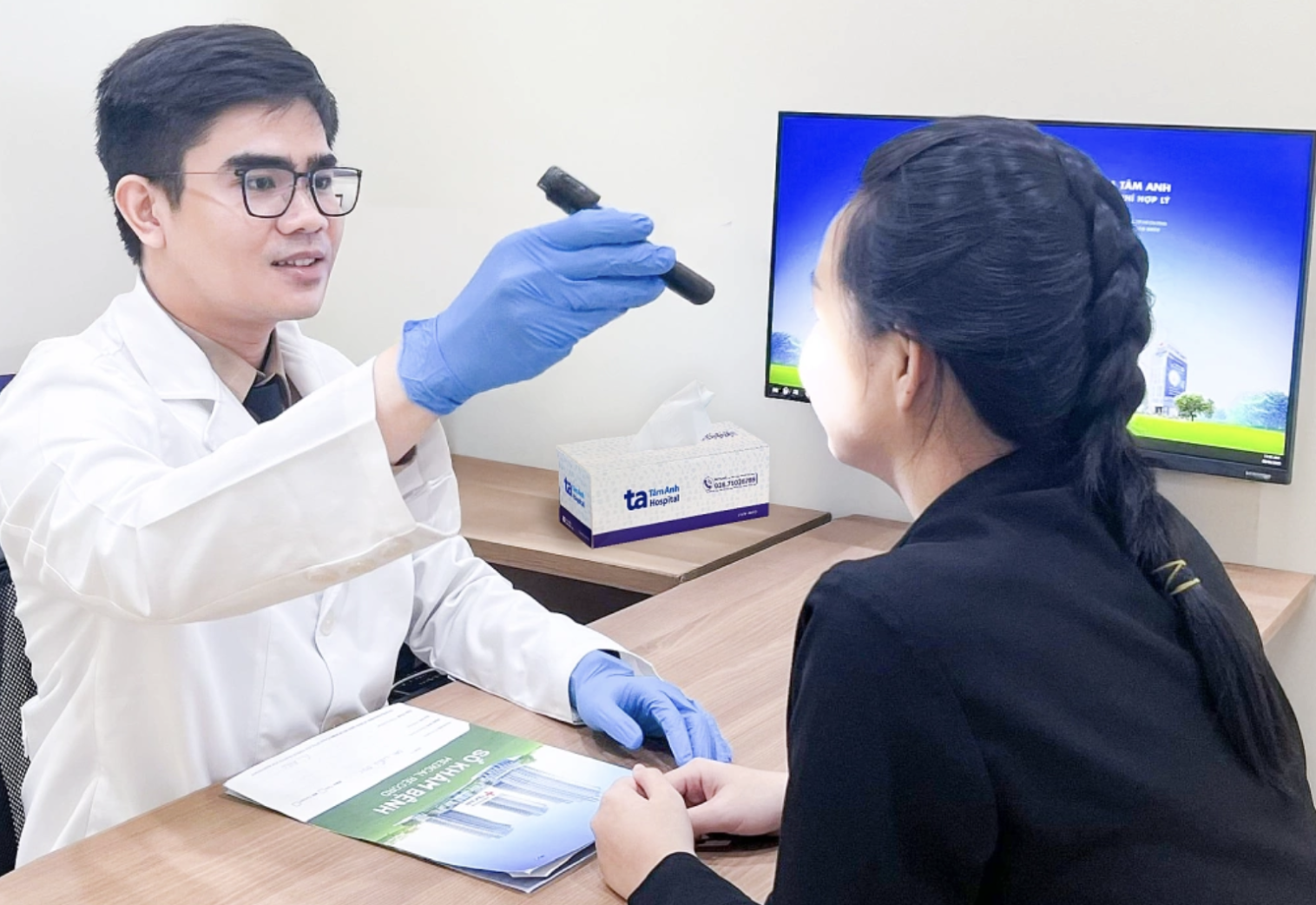 |
A doctor from Tam Anh General Hospital examines a patient's skin. Photo: Hospital provided.
**Hormonal imbalances**
Fluctuations in estrogen, progesterone, and testosterone levels are common causes of darkened facial skin, particularly in individuals over 40, during pre-menopause, menopause, or pregnancy. During these periods, the body may overstimulate melanin production in specific skin areas, resulting in dull and darkened skin.
**Dermatitis and acne**
Certain skin lesions, such as dermatitis and acne, can disrupt pigment regulation. During inflammation, melanocytes may be stimulated to produce more melanin. After skin lesions heal, excess melanin accumulates on the skin, creating dark spots, commonly seen on the cheeks, forehead, chin, or jawline.
**Stress and lack of sleep**
Prolonged stress can elevate cortisol hormone levels and increase sebaceous gland activity, promoting inflammatory responses and affecting skin pigment regulation. This makes skin prone to breakouts, dullness, and slower recovery.
During deep sleep, skin cells undergo regeneration and repair. Staying up late and chronic sleep deprivation interrupt or shorten the time for new skin cell regeneration. Consequently, skin becomes dull over time, lacks vitality, and is more susceptible to damage.
**Unbalanced diet**
A diet high in fried foods, sweets, soft drinks, processed foods, and low in green vegetables and fruits can lead to a deficiency in essential nutrients, making skin dull. Conversely, a diverse diet rich in vitamins and minerals supports healthier, brighter skin. Supplementing with natural extracts such as P. leucotomos (fern extract), sakura (cherry blossom), lemon powder, or pomegranate can reduce melanin formation and improve skin brightness, thereby nourishing the skin from within.
To reduce the risk of dull, darkened skin, Pharmacist Hoa recommends limiting sun exposure between 10 a.m. and 4 p.m. when UV intensity is high. When outdoors, individuals should use sunscreen and protect their skin with sun-protective clothing and wide-brimmed hats. Maintaining a balanced diet, proper lifestyle, and adequate sleep helps nourish the skin internally. If dull, darkened skin persists, patients should consult a dermatologist for appropriate advice and treatment.
Dinh Dieu
| Readers can submit questions about dermatological conditions here for a doctor's response. |


