Responding to this query:
From a professional perspective, there is no reliable clinical evidence to suggest that colon cleansing with okra can prevent colorectal cancer. This belief goes beyond current scientific data and is not supported by medical research.
Current recommendations for colorectal cancer prevention focus on proven measures: age-appropriate screening, detecting and removing polyps. Maintaining physical activity, managing weight, limiting alcohol, not smoking, and adopting a healthy diet are crucial for reducing risk.
Okra can be part of a balanced diet as it is a fiber-rich vegetable. Diets high in fiber, whole grains, fruits, vegetables, and legumes generally reduce the risk of certain cancers, including colorectal cancer. However, this does not mean a single food like okra can "detoxify," "cleanse the colon," or "prevent cancer."
The notion that the colon accumulates old waste and needs cleansing to prevent cancer does not accurately reflect physiology. The colon does not require regular cleansing measures to prevent cancer.
 |
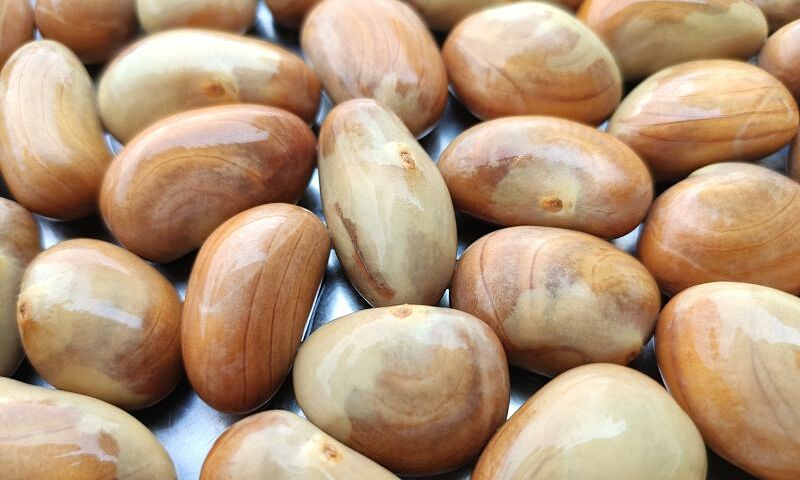
The mucus in okra does not cleanse or destroy cancer cells. Photo: Duong Hoang |
In medicine, bowel cleansing is only indicated in specific circumstances, typically for colonoscopy preparation, and must follow verified standard protocols. Conversely, enemas used without proper indication can cause harm, including dehydration, electrolyte imbalance, abdominal cramps, vomiting, and diarrhea. For individuals with existing colon conditions, this practice can worsen symptoms or lead to complications such as gastrointestinal bleeding.
Patients should not replace medical screening and consultation with anecdotal tips found online. For colorectal cancer, colonoscopies or recommended stool-based screening tests are the ways to detect precancerous lesions early and intervene promptly.
Individuals experiencing symptoms such as blood in their stool, persistent changes in bowel habits, abdominal pain, weight loss, anemia, or with a family history of colorectal cancer should seek early consultation with a gastroenterologist or oncologist.
Doctor Ngo Van Ty
Department of Oncology, Hanoi Medical University Hospital